


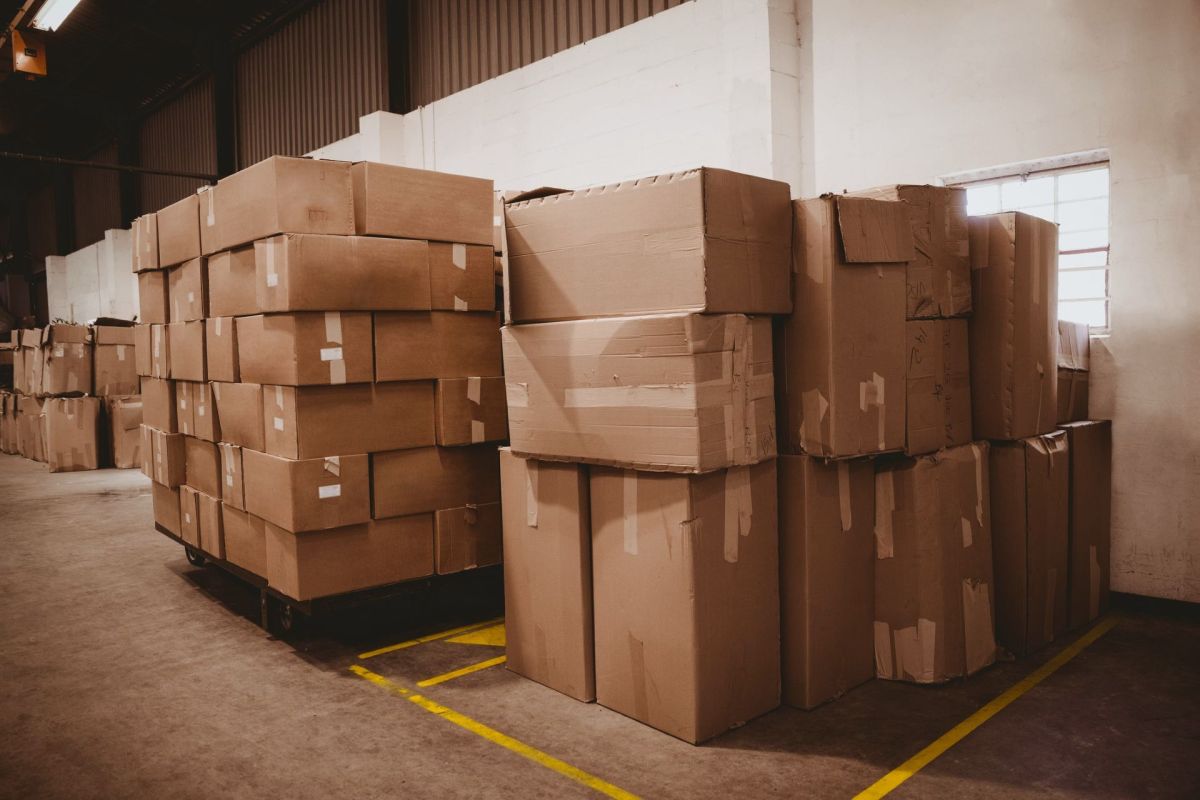
A worker speaking anonymously has described a Las Vegas Amazon operation where books are allegedly taken apart, scanned page by page, and then thrown away for artificial intelligence training.
Here's what to know
Speaking with 404 Media, the employee identified the activity as taking place at Amazon's VGT3 warehouse in Las Vegas. The site shares a facility with LAS8, the company's print-on-demand operation.
According to the worker, books came in through boxes, were sorted and checked for duplicates, and then went to stations where employees removed the bindings so each page could be scanned.
The worker said the books included "literally any kind of book you could think of," ranging from library discards and non-English titles to government documents from the United Kingdom. Some appeared brand-new, and others looked older or more obscure.
What happened after scanning, the employee said, was especially stark.
"There's no way to put the book back together or anything," they said. After scanning, the pages were reportedly thrown together in large containers as loose sheets.
TCD Picks » Quince Spotlight
💡These best-sellers from Quince deliver affordable, sustainable luxury for all




404 Media traced a shipment of rare books to VGT3 after a bookseller suspected an unnamed AI company had purchased them to be scanned and destroyed. While this is all technically alleged, this interview provides a more detailed view of how that process likely unfolded on the warehouse floor.
The worker said many employees seemed unsure at first about the project's purpose.
"At first what they were telling people is that it was for Kindles, but I just didn't believe that," the employee told 404 Media.
Why is this concerning?
If rare, out-of-print, or hard-to-replace books are being dismantled, fewer physical copies remain available to libraries and people to access. This can make it harder for people to uncover new information about history or keep different facets of culture alive.
It also adds to ongoing debates over whether publishers and authors have meaningful control over how their work is used in AI development.
Predictive AI can improve daily life and industry in meaningful ways, including by optimizing electric grids and forecasting energy demand.
However, training and operating generative AI models require energy-hungry data centers and significant water use for cooling. While people are looking for ways to optimize data centers in this way, others argue that generative AI devalues creative work.
What can be done?
While there isn't anything that can likely change this situation now, 404 Media's investigative journalism is keeping people informed. Spreading the word about stories like this can help other people learn about what's happening and take more informed action.
"I definitely don't like the idea that they can't be reused or anything like that afterwards," the worker said. "They're reducing the amount of available copies for other people."

Get TCD's free newsletters for easy tips, smart advice, and a chance to earn $5,000 toward home upgrades. To see more stories like this one, change your Google preferences here.






