


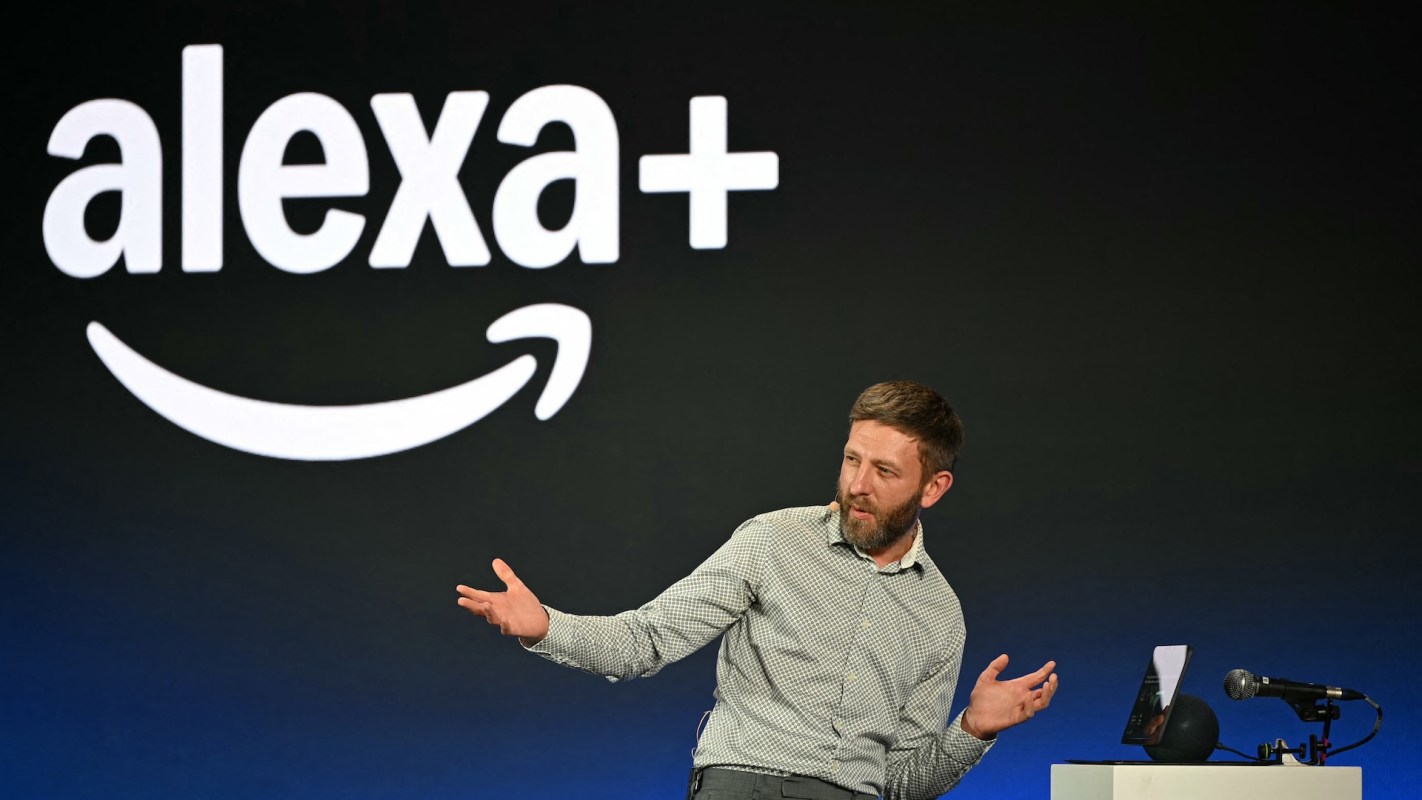
Amazon is giving Alexa a new role that could save users money and headaches in the future.
As TechCrunch reported, the artificial intelligence assistant can help customers determine whether a suspicious message is from the company or part of a scam. The update addresses a problem that affects hundreds of thousands of shoppers each year.
Here's what to know
Amazon says about 360,000 customers reach out to its service teams each year to ask whether a message they received is real or fake, per the outlet. The company now says customers can use Alexa for Shopping to check whether a message claiming to be from Amazon is legitimate.
To make that determination, TechCrunch said the system compares suspicious communications with Amazon's records of messages sent worldwide. It examines sender information, message content, timing, metadata, and other signals to determine whether the communication actually originated from Amazon.
Amazon told the publication that AI can "definitively" confirm when a communication came from its own systems. That could help customers avoid some of the most common scams tied to online shopping, including fake order confirmations, bogus Prime renewal notices, account suspension warnings, delivery alerts, and job scams.
The feature is available through Alexa for Shopping on Amazon's website and mobile app, TechCrunch noted.
TCD Picks » Quince Spotlight
💡These best-sellers from Quince deliver affordable, sustainable luxury for all




More background
Online impersonation scams have become a routine part of digital life. Messages that seem urgent or familiar can pressure people into clicking links, sharing personal information, or sending money before they have time to verify what is happening.
A built-in verification tool could be especially helpful during busy shopping periods, when people may already be expecting legitimate order updates and may want a faster, less stressful way to check them. Amazon also intimated to TechCrunch that the tool should improve over time as users report more suspicious messages, giving the system more examples to analyze.
AI tools can help streamline daily tasks and even support cleaner, more efficient energy systems by improving grid management and forecasting demand.
At the same time, AI comes with trade-offs, including significant electricity and water use by data centers, security risks, misuse by bad actors, and the possibility that growing power demand could drive higher energy costs if infrastructure fails to keep pace.
What's being done?
Amazon has already introduced other anti-scam tools beyond Alexa. It launched verify@amazon.com, TechCrunch reported, as a place where people can send suspicious messages and receive a reply confirming whether an email is legitimate or a scam.
The retailer also offers an online form through its customer service system for the same purpose. Together, those tools give customers multiple ways to double-check communications before acting on them.
If a message claims there is a payment issue, delivery problem, membership renewal, or account suspension, verifying it through an official Amazon channel could help prevent identity theft or financial loss.
No single AI tool will eliminate scams entirely, but adding easier verification to places where people already shop could make it harder for fraudsters to succeed.
Where can I learn more?
Amazon's new Alexa scam checker is part of a much wider effort to use AI across shopping, operations, and customer service. The stories below provide useful context, showing both how far Amazon is pushing the technology and why questions about reliability, security, and resource use still persist.
• At Amazon, experts questioned a service outage linked to AI after the company disputed what caused the disruptions.
• Amazon is also using AI for sustainability improvements across operations to cut waste and boost efficiency.
• Public critics say AI advancements raise security concerns while driving demand for more electricity and water.
They offer a fuller picture of how much trust everyday AI tools still have to earn, especially when security and reliability are at stake.

Get TCD's free newsletters for easy tips, smart advice, and a chance to earn $5,000 toward home upgrades. To see more stories like this one, change your Google preferences here.






