


Albuquerque, New Mexico, is betting on a modest but meaningful climate strategy: using more public land to support pollinators.
The shift is reaching familiar spaces such as roadway medians and parks, where green infrastructure is being expanded to help nearby neighborhoods and wildlife at the same time.
What's happening?
According to The Paper, a mayoral report to the City Council says Albuquerque is continuing to build on its place as the Southwest's first Bee City USA. The report describes multiple departments working together to increase pollinator-friendly habitat around the city.
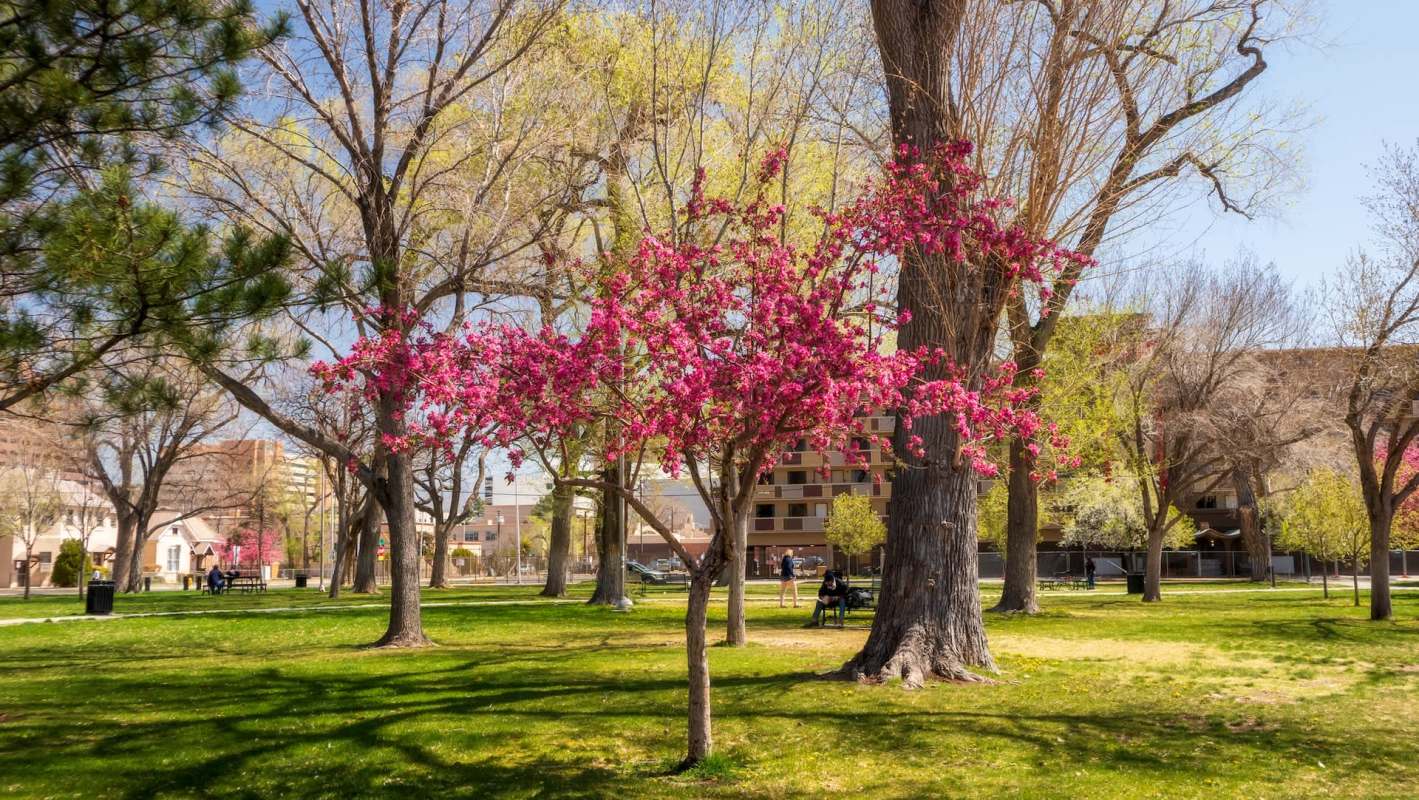
That work is being folded into routine city projects. Native species that benefit pollinators are going into road and stormwater efforts through the Department of Municipal Development, while Parks and Recreation is using similar plants in park landscaping. In practice, that means medians, parks, and other everyday spaces are being reshaped to better serve local ecosystems.
Community distribution is part of the strategy as well. Albuquerque's partnership with the nonprofit Think Like a Bee helped get more than 13,000 plants and 660 pollinator kits to neighborhoods, schools, and community organizations in 2025 — a 31% jump in kits from 2024.
Why does it matter?
Pollinators play a major role in keeping ecosystems functioning. Bees, butterflies, and similar species help plants reproduce, supporting food production, biodiversity, and greener communities. When pollinator populations decline, the effects can ripple outward to gardens, farms, and natural landscapes.
TCD Picks » Quince Spotlight
💡These best-sellers from Quince deliver affordable, sustainable luxury for all




Native plants often require less water than traditional landscaping, which is especially important in dry regions such as New Mexico. Greener public spaces also give children and families more chances to interact with nature close to home.
Urban biodiversity help cities better withstand heat and drought. By weaving pollinator habitat into city operations, Albuquerque is building conservation into roads and parks rather than confining it to preserves or remote open space.
What's being done?
Planting is only one part of the city's approach. The Paper reported that the ABQ BioPark maintains seven pollinator exhibits for rare and endangered butterflies and works with the New Mexico BioPark Society to grow native host plants in naturalistic settings that draw butterflies.
Officials are also trying to protect pollinators without giving up mosquito control. Albuquerque's Environmental Health Department tested a larvicide last summer that targets mosquitoes linked to West Nile virus while being safer for pollinators.
The city's 311 no-spray registry is another measure. The program is meant to limit the effects of mosquito spraying on private beehives and gardens.

Get TCD's free newsletters for easy tips, smart advice, and a chance to earn $5,000 toward home upgrades. To see more stories like this one, change your Google preferences here.






