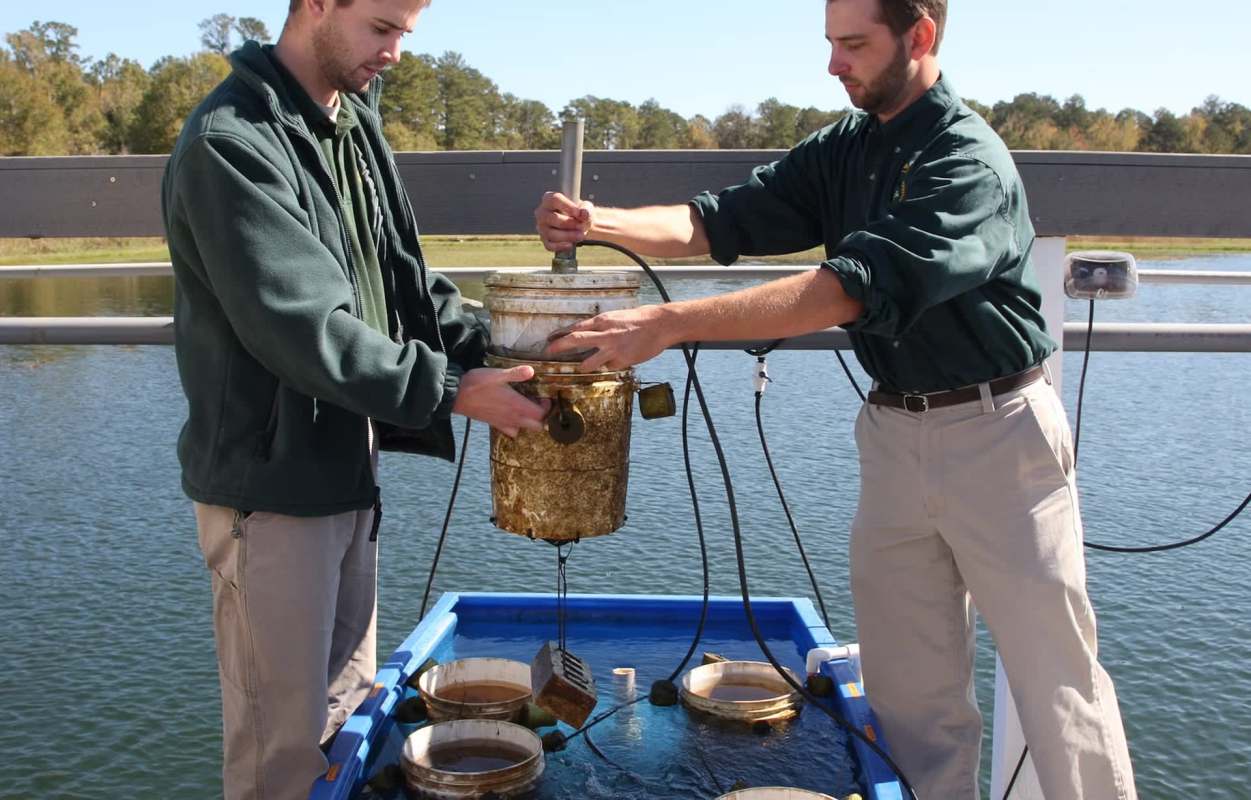
Alabama is home to an unusually rich array of river and stream life, including fish, snails, crayfish, and mussels found almost nowhere else.
Yet the wildlife species in greatest danger receive only a tiny share of state conservation money.
What's happening?
A Vox report on Alabama's conservation funding highlights a disconnect: although the state is one of the nation's major centers of aquatic diversity, nongame animals such as endangered mussels, snails, crayfish, and darters receive only about 1% of the Alabama Department of Conservation and Natural Resources' roughly $450 million yearly budget.
With more than 130,000 miles of rivers and streams, Alabama trails only California in the number of federally listed animal species.
A lot of those species are the sort that rarely draw public attention or large donations because they are small and easily missed.
Across the country, state wildlife agencies rely heavily on revenue from hunting and fishing licenses, plus taxes on firearms, ammunition, and fishing equipment, so funding often flows first to game animals.
TCD Picks » Quince Spotlight
💡These best-sellers from Quince deliver affordable, sustainable luxury for all




Aid from the federal government for imperiled wildlife is likewise not closely tied to the number of threatened species in a state; formulas often emphasize human population and land area instead.
Why does it matter?
The consequences of that shortfall extend beyond wildlife.
One example is freshwater mussels, which clean water as they feed by straining out algae, bacteria, and other suspended material.
When mussel populations are robust, rivers can be healthier, water quality can improve, and communities may face lower filtration and treatment expenses.
The same is true for other species that seldom get much attention.
By grazing on algae and decaying vegetation, snails help keep streams cleaner; crayfish loosen soil and create shelter used by other animals; and darters can reveal declining water conditions because they are sensitive to pollution and habitat change.
If those species are excluded from conservation spending, it becomes harder to maintain cleaner waterways, resilient ecosystems, and the natural areas that support recreation and local businesses.
As Michelle Lute, executive director of Wildlife for All, told Vox, "The states with the greatest biodiversity challenges aren't necessarily the states receiving funding proportional to those challenges."
What's being done?
Alabama scientists are still finding ways to make headway despite the limited funding.
Over the last 15 years, the Alabama Aquatic Biodiversity Center, a state facility operating with four full-time staff members and an average yearly budget of about $750,000, has released roughly 300,000 mussels from more than a dozen species back into the state's waters.
According to the report, some of those reestablished mussel groups are breeding in the wild, the pale lilliput could eventually be removed from the endangered species list, and two additional species may be moving toward that point as well.
State lawmakers recently set aside $2 million from Alabama's general fund for threatened-species efforts, including needed work at the center.
At the national level, however, a larger funding solution has stalled: the Recovering America's Wildlife Act cleared the House in 2022 and would have directed about $25 million to Alabama, but it never became law.
"We have the most species and the fewest dollars," said Paul Johnson, who oversees the center. "That makes a lot of sense."

Get TCD's free newsletters for easy tips, smart advice, and a chance to earn $5,000 toward home upgrades. To see more stories like this one, change your Google preferences here.