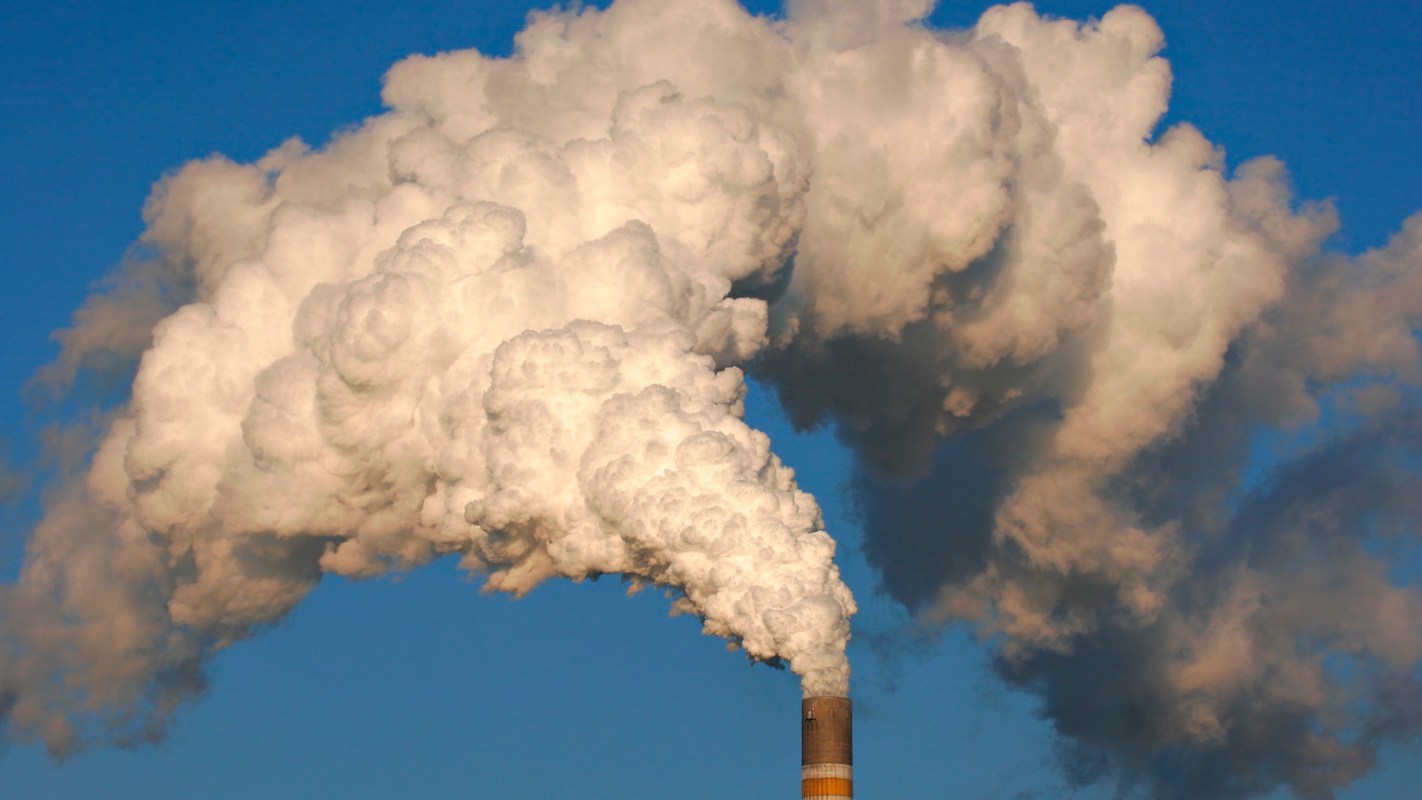
Questions about air quality in South Memphis have intensified into a broader dispute over how much trust residents should place in recently released neighborhood pollution data.
Shelby County health officials argue the report presents an overly alarming picture, while the researchers behind it say the deeper issue is the long-standing lack of close, neighborhood-level monitoring in communities near industrial sites.
What's happening?
According to a report from the Memphis Flyer, the heart of the fight is a community air monitoring project report that showed South Memphis residents were repeatedly exposed to unhealthy levels of fine-particle pollution, a conclusion the Shelby County Health Department is now contesting.
The air quality report was released in May from Memphis Community Against Air Pollution in collaboration with The Center for Engagement, Environmental Justice, and Health INpowering Communities.
The Flyer reported that from Nov. 11 through March 11, the project deployed lower-cost PurpleAir monitors across the region, filling a gap left after South Memphis went more than a decade without a nearby government-run monitoring station.
The report said that particulate matter averages exceeded the EPA's annual standard of 9 micrograms per cubic meter during 62% of monitored hours. In certain areas, that threshold was exceeded in 75% of monitored hours.
TCD Picks » Quince Spotlight
💡These best-sellers from Quince deliver affordable, sustainable luxury for all




In response, the Shelby County Health Department said PurpleAir devices are not approved by the EPA for regulatory use and may produce "a high bias" in cold, humid weather. The department also said that none of the five official monitors in the Memphis metro area have exceeded EPA standards in 2026.
Why does it matter?
In response, CEEJH INC Director of Research and Policy Vivek Ravichandran claimed that more hyperlocal monitoring is needed as the closest Shelby County Health Department monitoring station is 15 to 20 miles away from some South Memphis neighborhoods.
Ravichandran noted that studies have shown that air pollution can vary substantially from one neighborhood block to another.
"The absence of exceedances at distant SCHD or metropolitan monitors should not be interpreted as evidence that Boxtown/South Memphis residents are not experiencing elevated or cumulative exposures," Ravichandran wrote.
That means health effects associated with air pollution may still be occurring even on days without an immediate air-quality alert. It also reinforces worries about whether neighborhoods near heavy industry are getting enough protection.
What's being done?
The Shelby County Health Department says a South Memphis monitoring site will come back online this month and that it remains focused on accurate, validated monitoring.
"The SCHD Air Monitoring Program is dedicated to accuracy and precision in data collection and transparency in reporting," the department stated.
The researchers say they anticipated scrutiny of lower-cost sensors and used EPA-published correction equations to calibrate the PurpleAir devices. Ravichandran also wrote that the project's methods were similar to earlier approved quality assurance plans and argued that hyperlocal monitoring is necessary.
CEEJH INC and Memphis Community Against Air Pollution say they now plan to add sites in Mississippi and Arkansas and issue another follow-up report in the coming months.

Get TCD's free newsletters for easy tips, smart advice, and a chance to earn $5,000 toward home upgrades. To see more stories like this one, change your Google preferences here.