


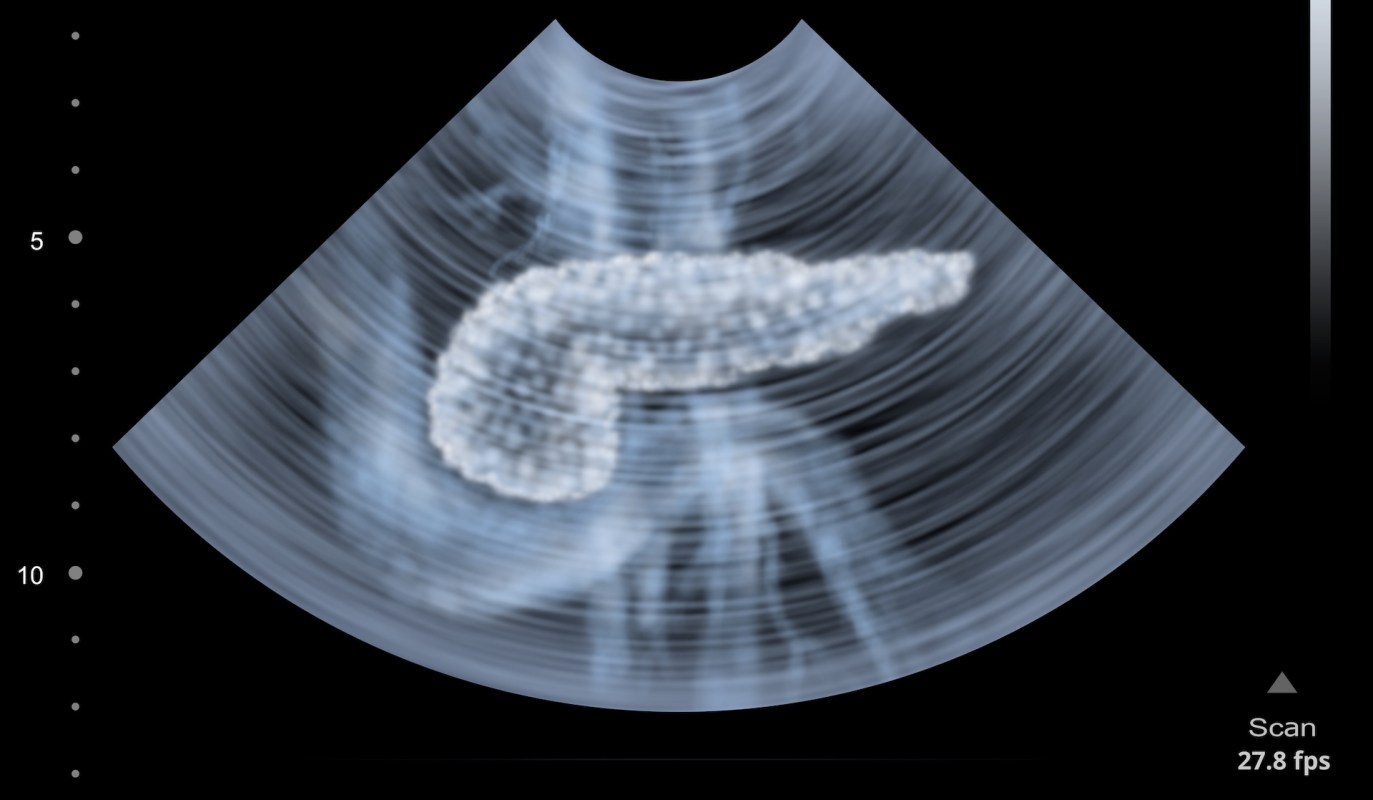
A new artificial intelligence system has offered hope for the earlier detection of pancreatic cancer, a type that is often difficult to identify in its initial stages.
Named REDMOD, this AI model uses radiomics — which involves analyzing medical images — and has the potential to improve survival rates for patients facing one of cancer's most demanding challenges.
The AI model can catch the early tissue alterations of pancreatic ductal adenocarcinoma, the most common form of pancreatic cancer. The research, published in the online journal Gut, showed that REDMOD is much better at detecting these subtle changes than conventional imaging and the human eye.
As the British Medical Journal noted in Medical Xpress, REDMOD found the "invisible" signature of pre-clinical pancreatic ductal adenocarcinoma an average of 475 days before clinical diagnosis.
"This temporal window holds profound significance, as attaining such early detection would substantially augment the probability of cure and improved survival," the researchers noted, per the publication.
Early detection is crucial for improving survival rates. Pancreatic cancer is rarely found in its early stages because there are few symptoms that appear before it spreads to other organs.
TCD Picks » Quince Spotlight
💡These best-sellers from Quince deliver affordable, sustainable luxury for all




REDMOD has shown greater accuracy than seasoned radiologists but necessitates further testing in high-risk patients — specifically those experiencing unexplained weight loss or recently diagnosed diabetes — before widespread clinical use.
To evaluate its effectiveness, the researchers employed REDMOD on abdominal CT scans from 219 patients at various hospitals who showed no evidence of the disease after radiologist reviews, yet were later diagnosed with pancreatic cancer.
In 87 cases (40%), the diagnosis occurred three to 12 months later; in 76 cases (35%), it was 12 to 24 months later; and in 56 cases (25%), it took more than 24 months, up to three years. The disease was found in the head of the pancreas in nearly two-thirds of patients.
These scans were compared with those of 1,243 patients who remained cancer-free for up to three years, matched by age, sex, and scan date. The average age of those later diagnosed was 69, ranging from 34 to 88, while the comparison group averaged 64, also ranging from 34 to 88.
Modeling studies suggested that increasing the proportion of localized pancreatic ductal carcinoma cases from 10% to 50% could more than double survival rates, emphasizing the importance of timely diagnosis.
Compared to radiologists, REDMOD performed significantly better, showing nearly double the sensitivity for detecting early malignant changes — 73% compared to 39%. It was almost three times as accurate in identifying cases detected more than two years prior to clinical diagnosis — 68% versus 23%.
The researchers recognized certain limitations in their findings, including a lack of diversity among the patient sample.
Despite this, they asserted that "this study validates REDMOD as a fully automated AI framework capable of identifying the imaging signatures of stage 0 pancreatic ductal adenocarcinoma in normal pancreas, achieving this with substantial lead times and performance superior to expert radiologists."

Get TCD's free newsletters for easy tips, smart advice, and a chance to earn $5,000 toward home upgrades. To see more stories like this one, change your Google preferences here.






