


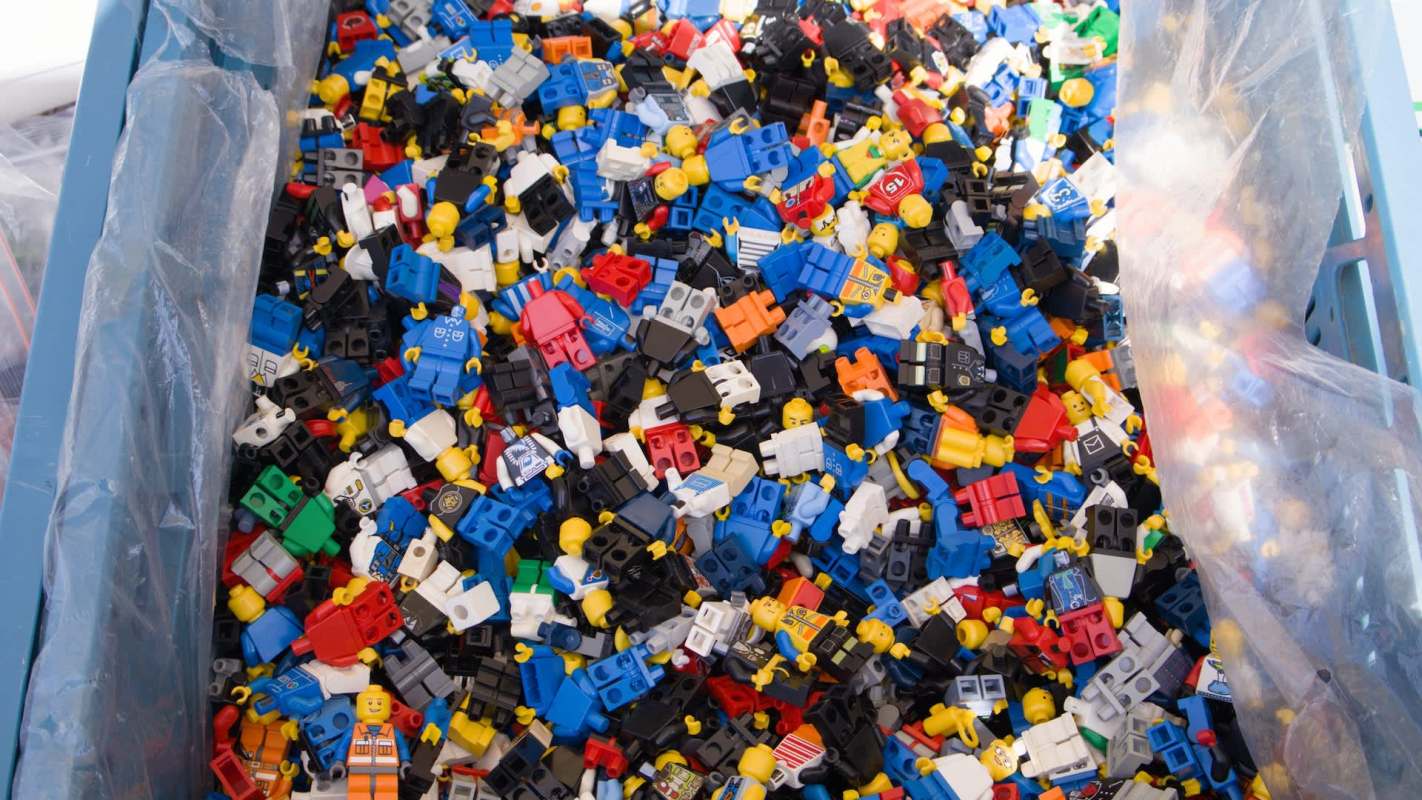
A company in Lancashire is using artificial intelligence to give old LEGO bricks a second life.
Their efforts are making one of the world's most expensive toy hobbies far cheaper, and they say it has already kept 25 million bricks out of landfill.
Here's what to know
According to the BBC, WeBuyBricks operates from Rawtenstall, where it processes secondhand LEGO by cleaning and checking the pieces before selling them either individually or as complete sets.
By the company's count, that work has already kept 25 million bricks out of landfill.
An AI system called Brick-O-Matic handles the sorting, which the outlet said pairs cameras and machine-learning software with air jets to recognize more than 60,000 kinds of LEGO parts and sort as many as 100,000 pieces per day.
That setup also supports lower resale prices, with pre-owned sets selling for about 40% to 60% less than new ones, per the BBC.
TCD Picks » Quince Spotlight
💡These best-sellers from Quince deliver affordable, sustainable luxury for all




More background
LEGO bricks are designed to be used again and again, which makes them especially well suited for reuse. Still, mixed tubs of secondhand pieces can be tedious to sort by hand, and incomplete sets can be hard for buyers to trust.
New LEGO sets can be expensive, particularly larger themed releases, so a dependable secondhand option can help stretch budgets while keeping the hobby accessible.
Technology can also make secondhand goods feel more dependable for buyers concerned about missing parts, mismatched pieces, or worn bricks.
On a Reddit thread discussing the BBC article in r/UpliftingNews, some Redditors were surprised that the landfill problem exists at all.
"I didn't actually think people threw away Lego," a user admitted. "They just get passed down to other friends and families kids or donated in my circle."
Clearly, that approach isn't followed by all, given the 25 million pieces saved number. A user shared an anecdote of finding "huge bags of Lego's stuffed into our garbage" after moving into a new home.
"Frozen, Harry Potter, you name it," they added. "We donated it to a close friend who had a very young kid. So yeah, I guess it happens more than we might expect…"
What's being done?
WeBuyBricks' approach is a practical example of the circular economy. Instead of treating old toys as trash, it treats them as inventory that can be restored and reused.
AI helps make that process faster and more scalable than hand-sorting alone, which could be key to handling large volumes of pieces. Buying pre-owned sets or replacement parts can cut costs, help complete builds that might otherwise sit unfinished, and reduce the chances that usable plastic ends up in the garbage.
Even incomplete collections can still hold value when the pieces are sorted and matched back into sets.
"This is honestly really cool, the waste of LEGO pieces is pretty crazy, but not as crazy as the freaking cost of sets and stuff," a Redditor reacted. "This just seems like a win-win all around."
Where can I learn more?
The LEGO Group and product enthusiasts are making a range of efforts to extend the life of pieces and clean up their production.
• A teen entrepreneur is transforming discarded LEGO bricks into custom sets and growing demand.
• LEGO Replay lets families donate old LEGO bricks so kids can keep building.
• The LEGO Group is producing cleaner bricks by pushing suppliers to cut pollution.

Get TCD's free newsletters for easy tips, smart advice, and a chance to earn $5,000 toward home upgrades. To see more stories like this one, change your Google preferences here.






