


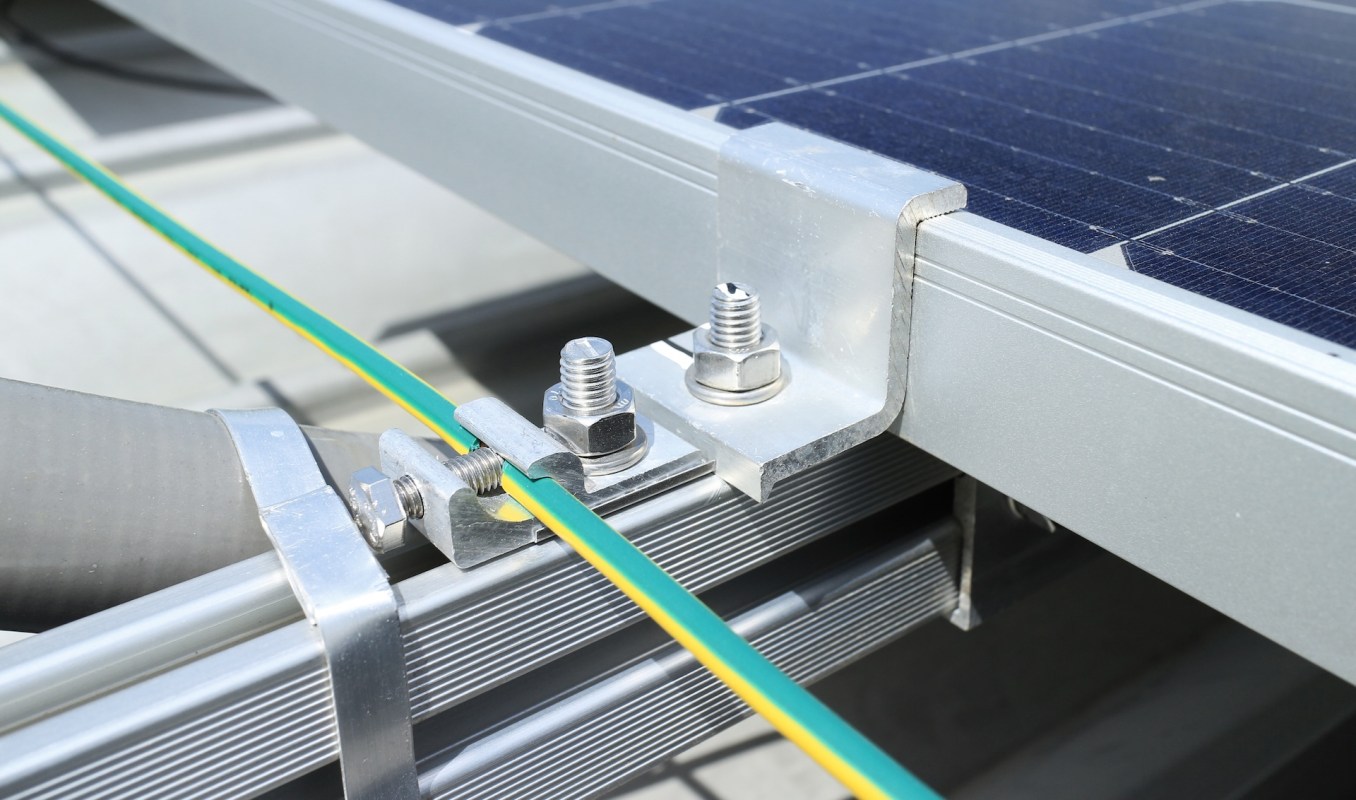
A homeowner using artificial intelligence to DIY a solar project quickly second-guessed their decision after the chatbot gave conflicting guidance on a mounting choice, rejected that same idea, and then changed its answer again after being confronted.
What happened?
The Redditor said they had been asking AI about parts of a solar installation, including "mounting, wiring, and other things," and found the responses unreliable.
"You can't trust it completely, double check whatever info you get," they said,
One example involved using Z brackets in a ground-mount setup. In one discussion, the AI suggested using them, but when the poster mentioned planning to use Z brackets, it called that a "bad idea." After the user reminded the chatbot that it had previously recommended them, it flipped back and said the brackets were suitable.
Decisions involving racking, wiring, load calculations, permitting, and code compliance can all affect safety, performance, legality, and costs.
That being said, going solar is one of the best ways to save money on home energy, as long as you use professional help. If you're considering solar panels, EnergySage offers free tools to get quick installation estimates and compare quotes.
Why does it matter?
AI can be helpful as a starting point, especially for explaining unfamiliar terms or helping homeowners understand the outline of a project. But AI is confident by default, and a confident answer is not necessarily a correct one. Solar hardware decisions often require site-specific engineering.
Ground-mounted systems may involve soil conditions, wind and snow loads, anchoring methods, and local rules. A poor recommendation could lead to wasted money, project delays, or unsafe installation choices if someone follows it without verifying the information.
Save $10,000 on solar panels without even sharing your phone number Want to go solar but not sure who to trust? EnergySage has your back with free and transparent quotes from fully vetted providers that can help you save as much as $10k on installation. To get started, just answer a few questions about your home — no phone number required. Within a day or two, EnergySage will email you the best local options for your needs, and their expert advisers can help you compare quotes and pick a winner. |

AI is also becoming heavily tied to the energy grid itself. These tools may help optimize clean energy systems, forecast solar output, manage batteries, and streamline operations, but they also come with downsides, including heavy electricity and water use at data centers, security concerns, misinformation, and the risk of costly mistakes that could ultimately raise bills for consumers.
AI may be useful for research, but it should not replace licensed installers, electricians, structural review, or local permitting guidance.
What can I do?
If you are exploring solar, use AI as a question-generating tool rather than a final authority. Ask installers to explain their mounting choices, request documentation, and compare multiple proposals so you can use AI to spot red flags before signing a contract.
Free quote-comparison services exist and can also help cut through confusion in a more structured way. With EnergySage's help, the average person can save up to $10,000 on solar purchases and installations.
More From EnergySage
💡Go deep on the latest news and trends shaping the residential solar landscape

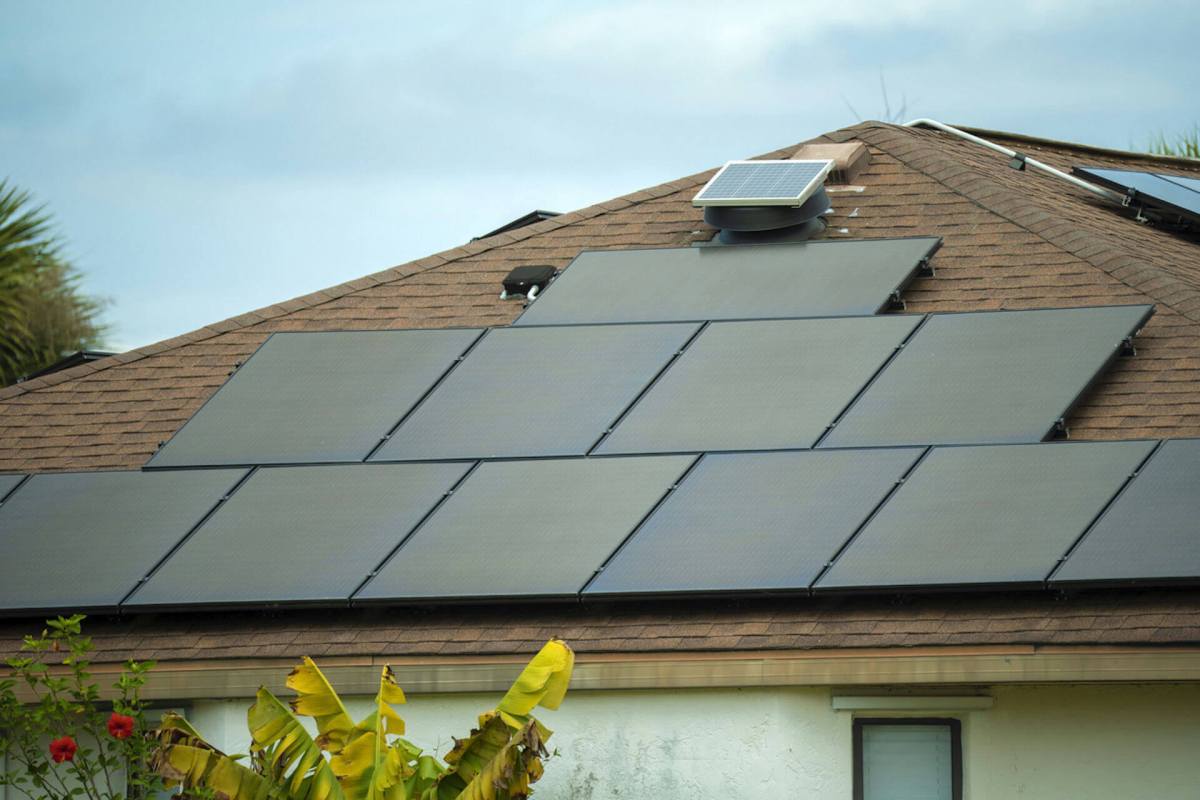

Meanwhile, EnergySage's solar map shows the average cost of a home solar panel system by state, as well as details on local solar panel incentives. Together, these resources can help readers get the best price for rooftop solar panels.
Adding battery storage to a solar setup is one of the best ways to protect your home during outages, save money on energy, and go off-grid. If you want to explore that option, EnergySage offers free tools for information about home battery storage options, including competitive installation estimates.

Get TCD's free newsletters for easy tips, smart advice, and a chance to earn $5,000 toward home upgrades. To see more stories like this one, change your Google preferences here.






