


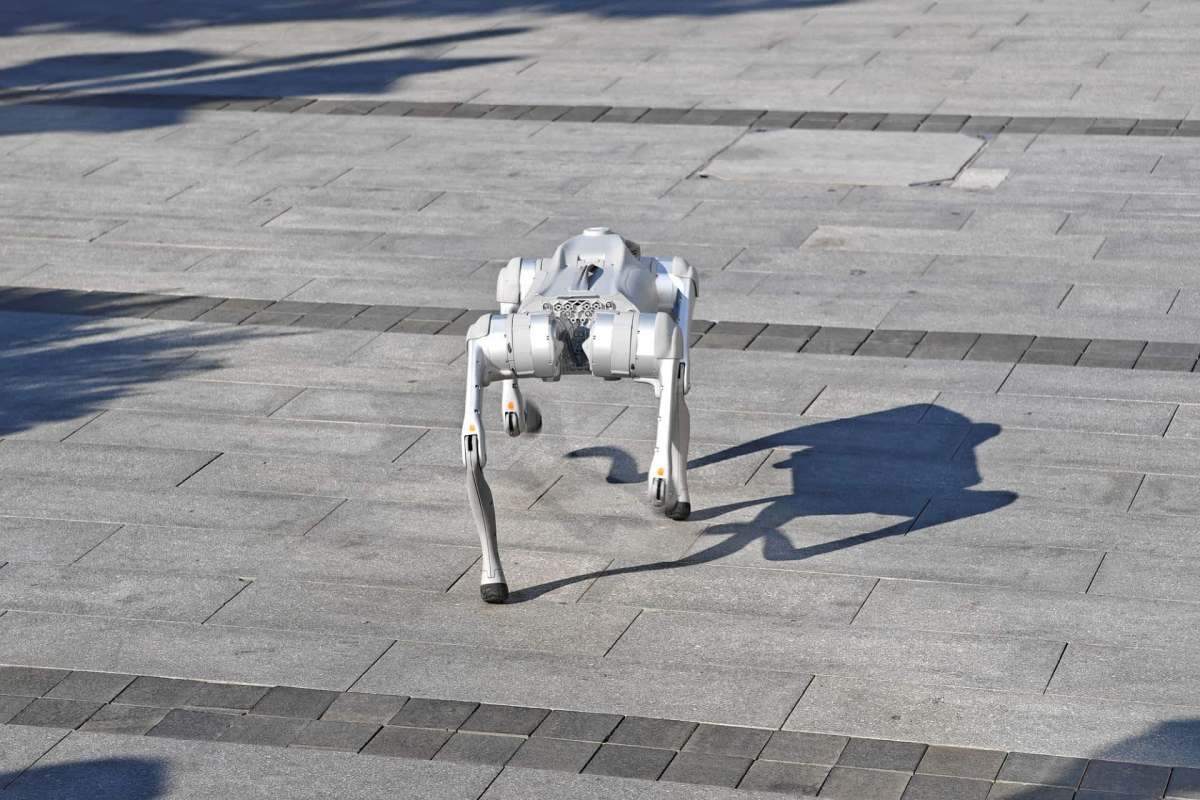
What once looked like a fictional sci-fi gimmick is now starting to show up in real workplaces: four-legged security robots. In the United States, AI-equipped robot dogs are being used to monitor stadiums, cash crops, and data centers.
For employers, the incentive comes from lower expenses. But for people who work in security, the trend brings back a familiar concern that automation may threaten one of the country's more accessible jobs.
What's happening?
According to Futurism, citing Business Insider, companies are increasingly turning to robot dogs with AI-enabled cameras for security duties that have usually been handled by people.
Business Insider reported that using robot dogs to staff a 24/7 guard post can cut yearly costs by roughly $80,000 to $130,000 compared with relying on human security officers.
The outlet pointed to deployments at server facilities, agricultural sites, and athletic venues. Damon Henry, CEO of robot dog company Asylon, told Business Insider that his company has about 50 robots in service for 25 customers nationwide.
While this number is tiny compared with the size of the human security workforce, as robots become cheaper to build and easier to deploy, that early adoption could signal a much broader change in how businesses protect property.
TCD Picks » Quince Spotlight
💡These best-sellers from Quince deliver affordable, sustainable luxury for all




Why does it matter?
For many people, security work serves as a key pathway into the job market. Around 1.3 million people in the U.S. work as security guards, and the position can offer stable pay to workers without advanced degrees or specialized credentials.
The workforce also matters from an equity standpoint. Futurism cited a UC Berkeley Labor Center report finding that people of color make up 60.8% of security guard jobs, while 27.8% of guards are 55 or older. Futurism also reported that the median annual wage was $38,390 in 2024.
AI tools rely on computing systems and data centers that draw power from the energy grid and can use large amounts of water for cooling, creating risks such as higher operating costs, grid strain, and added pressure on utility bills.
What's being done?
A complete transfer of security work from people to machines does not appear to be the outcome. Even if robots can handle routine monitoring and patrols, the debate remains that robots can't entirely replace human judgment and decision making.
Business Insider reported that Enrique Lopezlira, who leads the UC Berkeley Labor Center's Low-Wage Work program, said the likelier change is a reassignment of responsibilities rather than the broad disappearance of guard jobs.
As companies introduce robotic patrol tools, experience in surveillance systems, incident reporting, access control, and emergency response could become more valuable.
As Henry told Business Insider, "Training them and staffing them is super inconsistent, and it's a big burden on the business." Lopezlira said, "The realistic near-term effect is not that guards are replaced."

Get TCD's free newsletters for easy tips, smart advice, and a chance to earn $5,000 toward home upgrades. To see more stories like this one, change your Google preferences here.






