


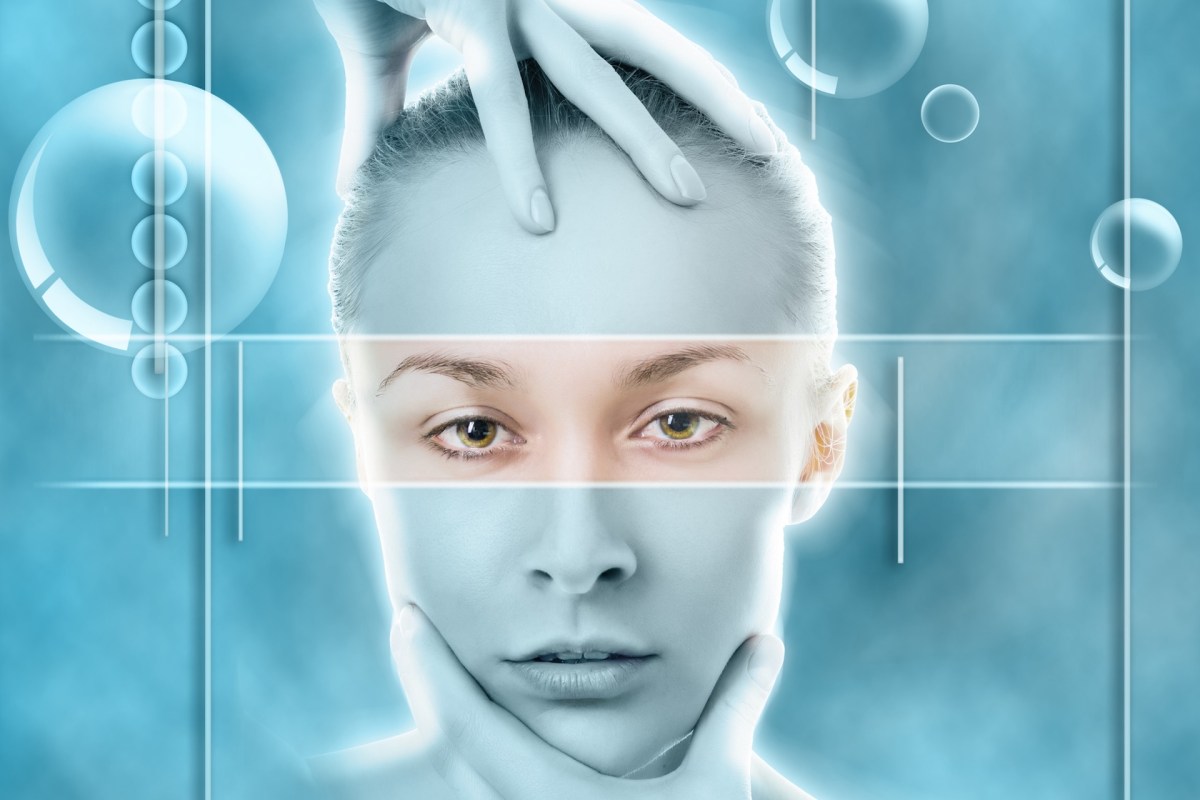
The spread of AI-generated before-and-after images of plastic surgery patients on social media has prompted medical practitioners to speak out.
Here's what to know
According to The Looker, surgeons warned that artificial intelligence can fabricate surgical results that make women in their 50s look like 20-year-olds.
"The problem with an AI-generated image is that the 'after' may show a result that no patient ever had," explained Dr. Gary Linkov, a New York City facial plastic surgeon who specializes in hair restoration.
Patients could spend money chasing an outcome their surgeon has never achieved. Dr. Deepak Dugar, a board-certified facial plastic surgeon based in Beverly Hills, California, told The Looker that AI-generated images can depict results without the constraints of surgery.
More background
The Looker described images in which skin looks unnaturally smooth and signs of aging have vanished. Even genuine photographs, however, can give patients an inflated impression of a surgeon's work.
Admiring comments from prospective patients on these AI-generated photos can make cosmetic results seem more appealing, potentially misleading others who are comparing procedures.
TCD Picks » Quince Spotlight
💡These best-sellers from Quince deliver affordable, sustainable luxury for all




Linkov identified lighting, camera positioning, facial expression, cosmetics, and image editing as factors that can make surgical results look more impressive than they are.
AI relies on electricity-powered computing infrastructure, tying it to the energy grid. While AI can optimize clean energy systems and be helpful in other areas, the infrastructure supporting it can also consume substantial amounts of electricity and water.
What can be done?
Linkov encouraged patients to look for consistent setups in before-and-after photographs. Comparing lighting, angles, expressions, and makeup can help people better understand what the images reveal about a surgeon's work.
Poreless skin, inconsistent jewelry shapes, and perfect symmetry are warning signs of AI manipulation.
Checking a provider's qualifications is also crucial for both invasive and noninvasive procedures, including treatments that influencers or equipment manufacturers describe as low-risk.
"Make sure you go to a plastic surgeon who has hospital privileges to do that procedure," Dr. Terry Dubrow, a "Botched" star and board-certified plastic surgeon, previously told The Looker.
Dubrow also pointed out that a hospital can verify a surgeon's board certification and professional records.
Dugar said: "The most impressive photograph isn't necessarily the most meaningful one. What matters is whether it represents real work, sound judgment, and a result that makes sense for that individual patient."

Get TCD's free newsletters for easy tips, smart advice, and a chance to earn $5,000 toward home upgrades. To see more stories like this one, change your Google preferences here.






