


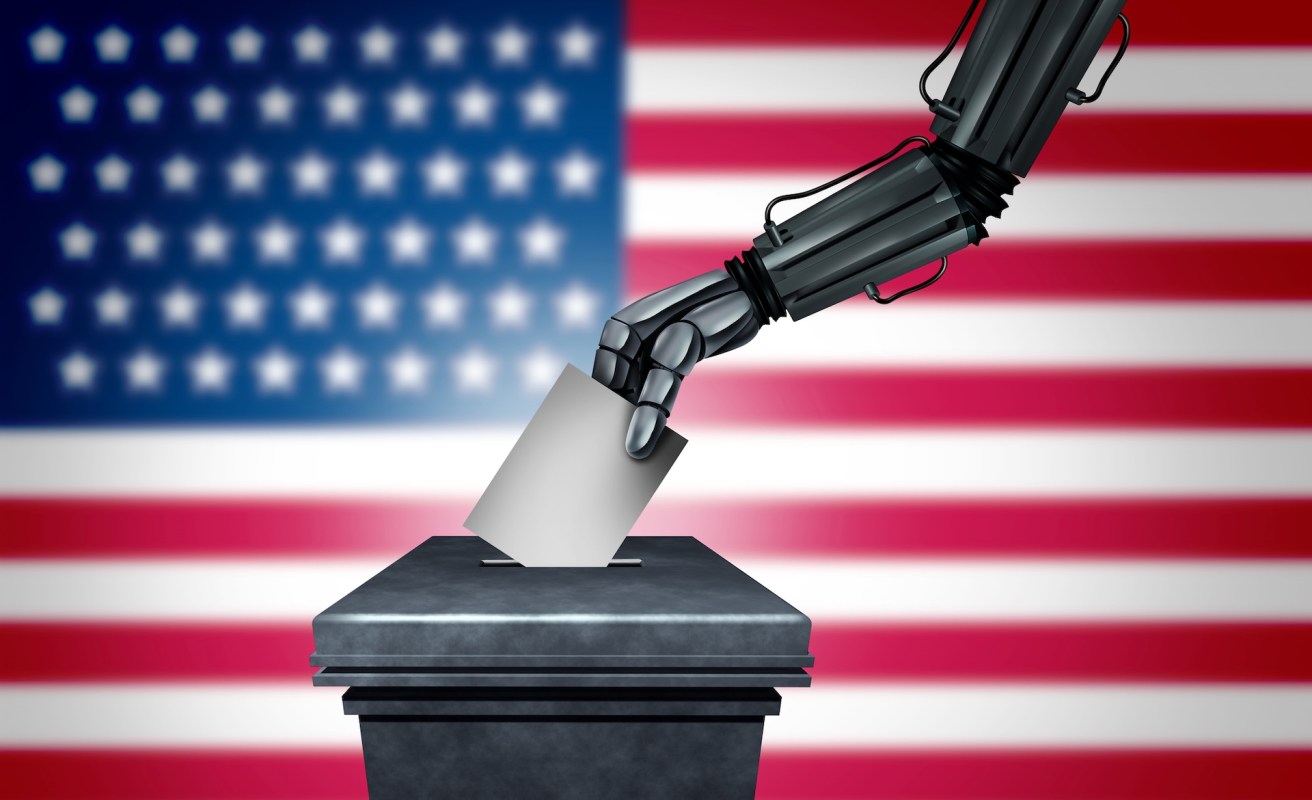
Americans fear artificial intelligence disrupting U.S. politics more than they fear a loved one becoming seriously ill, according to Chapman University's Survey of American Fears. The same survey found that anxiety about AI damaging the economy also landed in the top 10.
Here's what to know
According to Futurism, the Chapman University survey ranked fear of AI harming the political process third and fear of AI hurting the economy seventh. In that list, only "corrupt government officials" and the possibility of the U.S. entering another world war ranked above concerns about AI's political effects.
Those AI worries also landed above fears such as a loved one "becoming seriously ill" or "people I love dying."
Polling beyond Chapman has pointed in a similar direction; Futurism reported that a separate Politico survey found that about two-thirds of Americans believe there is a "moderate" chance advanced AI could destroy humanity.
Survey founder Christopher Bader, a sociology professor at Chapman University, said in a statement: "These findings make it clear that Americans are concerned not just about what AI might mean for their jobs, but about its potential impact on our political system and the economy."
More background
The findings reflect a broader shift in what people view as immediate threats. AI is becoming increasingly tied to elections, economic stability, and the systems that shape daily life.
TCD Picks » Quince Spotlight
💡These best-sellers from Quince deliver affordable, sustainable luxury for all




The tech industry's enormous investments in data centers are a high-stakes bet on AI's future—one that may not pay off and could carry broader market consequences if the bubble bursts.
Candidates are already spending heavily on AI-generated campaign content to influence midterm elections.
What can be done?
One concrete step already underway is better measurement of public concern.
The Chapman survey tracks shifts in fear year to year, while other polling shows whether that anxiety is isolated or widespread. As AI becomes more embedded in daily life, this kind of tracking can help policymakers, researchers, and the public focus on the specific harms people actually worry about.
Bader added, "As artificial intelligence becomes more integrated into everyday life, understanding these fears will be increasingly important." His comments focused on present-day concerns about elections and economic disruption, rather than only abstract debates about future technology.
Ashley Wendell Kranjac, a Chapman University associate professor of sociology, said the rankings should not be treated as a precise measure of which fears matter most.
She said, "I think it's important to keep in mind that the top 10 doesn't tell the full story, and even though a lot of fears went up this year, there are a lot of fears that are also actually lower," noting that some fears, including air pollution and terrorist attacks, were lower.
She also cautioned against treating the survey as a final verdict as scrutiny grows around AI's role in politics and the economy.
Bader said Americans' concerns extend beyond jobs and into democratic systems and financial stability, adding, "We expect concerns about AI to remain a significant part of the national conversation in the years ahead."
Where can I learn more?
AI is already shaping elections, lawmaking, and political backlash in the United States. These articles look at voters relying on chatbots, legislative drafting errors, and fallout from AI infrastructure.
• In the U.S., some midterm voters are asking AI to research ballots and choose candidates.
• Washington House lawyers warn that AI-drafted bills miscite laws and distort basic state definitions.
• California Rep. Ro Khanna is pushing an FDA-style AI agency as regulation debates intensify.
• Microsoft's president is urging kill switches and breach alerts as federal rules stall.
• In Texas, AI data center backlash is already reshaping fights over the 2026 midterms.

Get TCD's free newsletters for easy tips, smart advice, and a chance to earn $5,000 toward home upgrades. To see more stories like this one, change your Google preferences here.






