


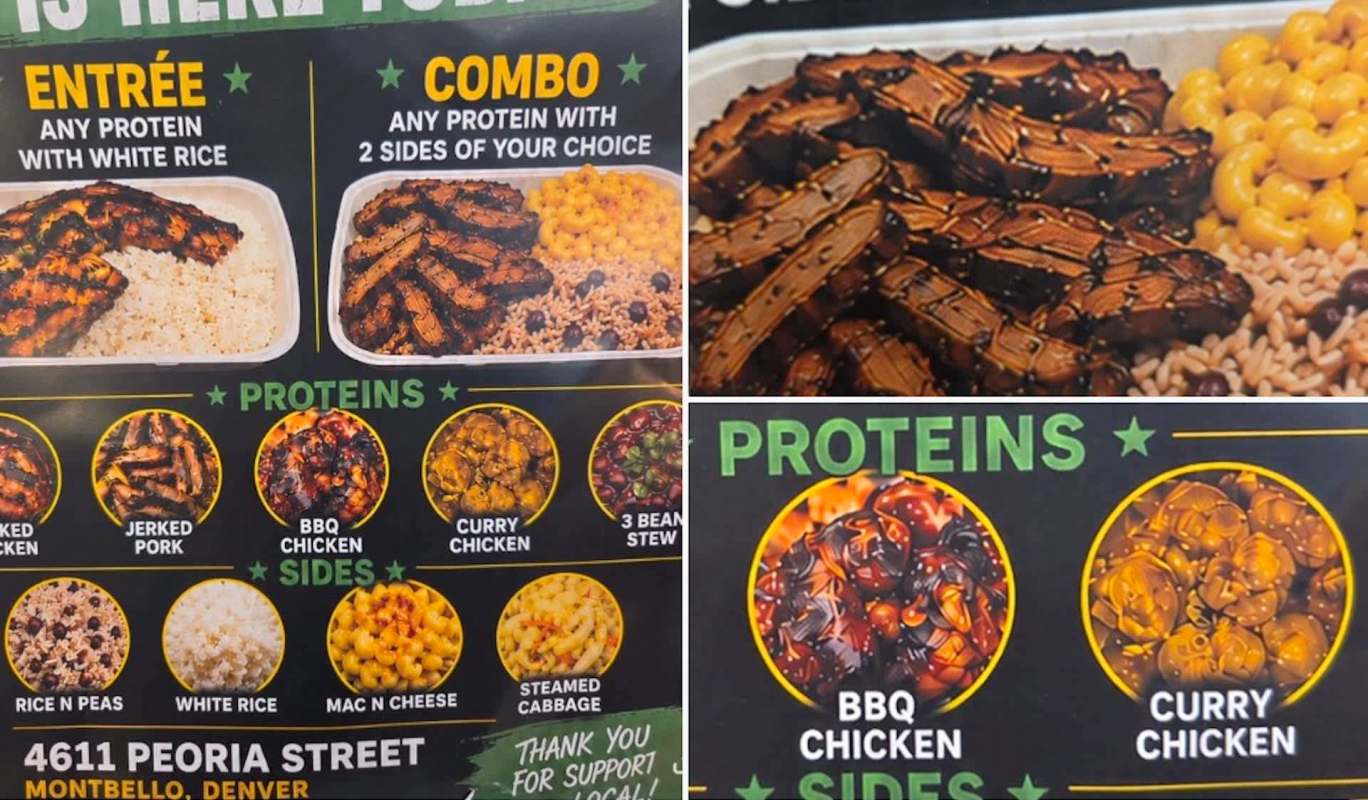
That glossy breakfast burrito on a sandwich board may not be a real photo, or even a real menu item.
As NBC News reported, a growing number of restaurants, cafés, and bodegas are turning to cheap artificial intelligence-generated food images for storefront signs and delivery listings, and the results can be bizarre, misleading, and difficult to miss.
Here's what to know
Customer confusion is part of the issue, the outlet said. One X user said she tried to order a dish advertised on a café's outdoor menu, only to learn that it wasn't real and had been generated by ChatGPT.
Omg it finally happened to me. I saw an AI generated menu where the food looks absolutely horrifying and unsettling pic.twitter.com/dtdTdEJsFt
— Discount🍉Emma🍉Stone (Taylor's Version) (@Buffalojilll) August 24, 2026
NBC News reported that cases of "AI slop" are drawing more notice as image generation tools become cheaper and easier for small businesses to use. On menus, the outputs have included shrimp that resemble flotation devices, breakfast burrito fillings that look disturbingly inhuman, and "protein" toppings that appear to be covered in bugs, as the network compiled in the report.
Such images can confuse customers and erode trust. Paul Shovlin, an Ohio University English professor focused on AI, told NBC News many of the businesses using these images appear to be small, family-run operations with very tight budgets.
As inflation keeps pushing up costs, AI-generated graphics can seem like an easy workaround.
TCD Picks » Quince Spotlight
💡These best-sellers from Quince deliver affordable, sustainable luxury for all




More background
The backlash is already playing out in the real world.
In San Francisco, criticism of the trend has extended beyond the internet, NBC News noted. SFGate reported that a coffee shop spent hundreds of dollars removing graffiti after what appeared to be a response to AI-generated food images on its facade.
Co-owner Lyndsey Lozano told the outlet, "I want people to come to our restaurant, but, like, why is this such a big deal that it influences people on such intense level? Like, is it really that horrific that you have to act on such a feeling?"
Design professionals say the technology can create financial problems as well. Daniel Silva, owner of Miami graphic design firm Silva Heeren, told NBC News that AI-generated designs often add work instead of reducing it.
"ChatGPT will tell the user that their design is genius," Silva explained. "But then we tell them that ChatGPT isn't giving them the right file or the right resolution and that it won't be cheap to fix it. And they often go running."
AI can also raise concerns about misuse, security, and misinformation. There's also the toll on the environment, as powering AI can require heavy use of electricity and water. That can outweigh the potential benefits like optimizing clean energy systems.
What can be done?
Approaching overly polished or obviously strange food images with caution may help diners avoid disappointment.
If a menu item looks too surreal to be true, checking reviews, asking staff questions, or looking for customer photos online can help set expectations.
Some owners are publicly distancing themselves from AI-made marketing. NBC News reported that Jill Winger, who co-owns Chugwater Soda Fountain in Wyoming, posted a handwritten pledge saying, in part, "We will not be using AI flyers or photos to promote ourselves."
The outlet also pointed to a wider pushback in workplaces and online publishing, where some companies are stepping away from automated content and favoring human-made work.
As Winger put it to NBC News: "I'm seeing which way the pendulum is swinging."
Where can I learn more?
The fake burrito issue is one small part of a much larger debate over how quickly AI is showing up in everyday life. These articles look at that same tension, from public backlash and security concerns to the energy use and infrastructure needed to support more AI systems.
• As AI spreads, public outcries against AI are intensifying over jobs, security, and resources.
• At Research Park, engineers have tested a futuristic cooling system to curb AI's soaring energy demands.
• Clean energy executives have been using AI to improve infrastructure as power-hungry computing expands.
Bizarre menu images are just one consumer-facing sign of a broader AI shift. Keeping that bigger picture in mind makes the backlash at the restaurant level easier to understand.

Get TCD's free newsletters for easy tips, smart advice, and a chance to earn $5,000 toward home upgrades. To see more stories like this one, change your Google preferences here.






