


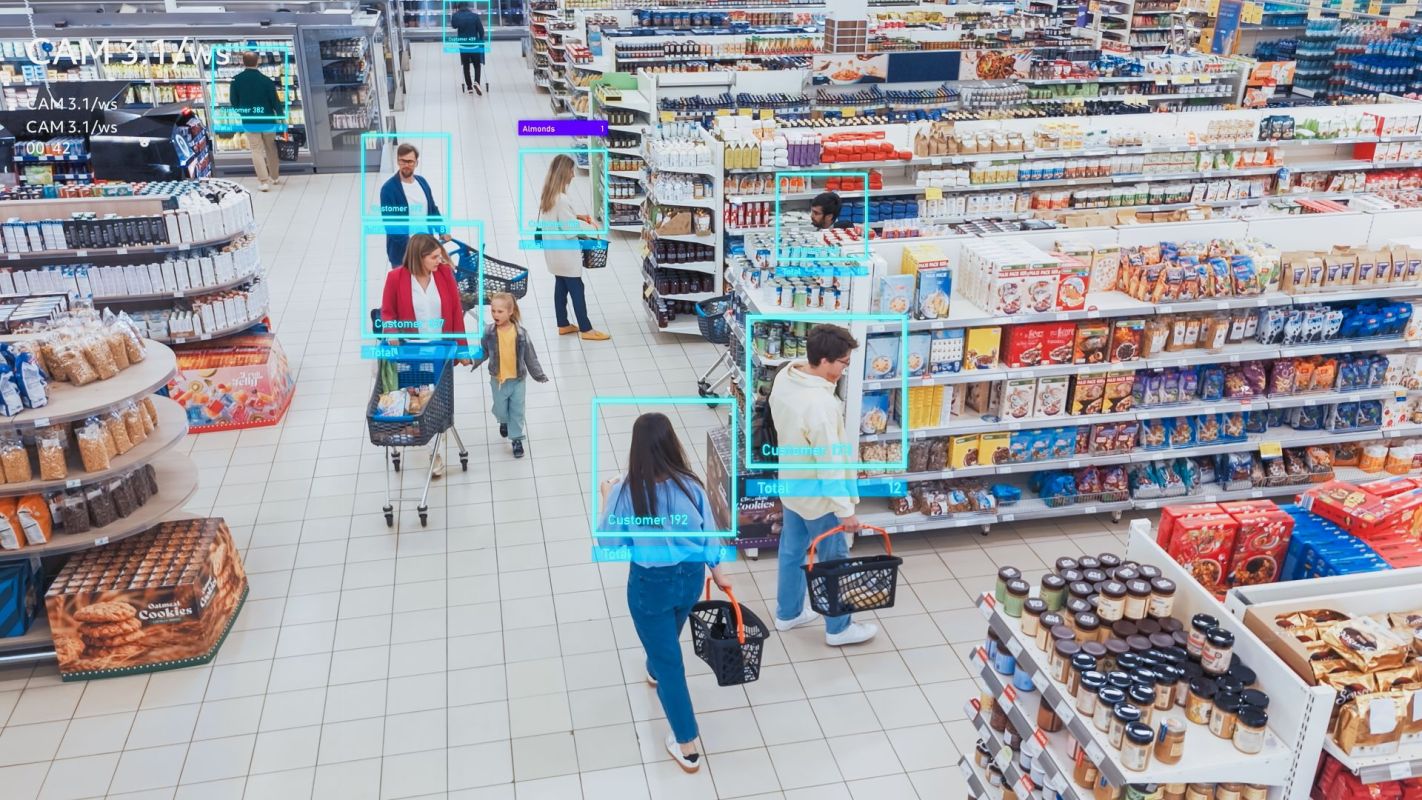
One U.K. couple had allegedly not visited a particular grocery store in months. That did not prevent them from getting kicked out of the store after an artificial intelligence-powered facial recognition system flagged them.
Here's what to know
AI-powered surveillance systems in U.K. shops — and around the world — are wrongly identifying customers as shoplifters, according to Futurism and TechRadar.
In the case of the U.K. couple, a Budgens chain store removed the wife for stealing "loads of meat," Futurism reported. The husband was left "shaking from head to toe."
Another couple had a similar encounter in Home Bargains, where its facial recognition system flagged the husband as a shoplifter, prompting the management team to remove the couple without giving them a chance to refute the accusations. "I was scared to go into a shop," the husband said, per Futurism.
More background
Futurism argued that false accusations such as these two examples and countless others across the globe can prevent individuals from accessing local businesses and cause distress when these people aren't given the opportunity to deny the false accusations.
AI's growing use also has environmental implications. The computing infrastructure behind the technology requires electricity, while cooling those systems can consume water. AI has the potential to help optimize clean energy systems, but it also brings resource demands and risks of misuse.
TCD Picks » Quince Spotlight
💡These best-sellers from Quince deliver affordable, sustainable luxury for all




What can be done?
Personal information held by private companies can be sought through a Subject Access Request, or SAR, for U.K. shoppers attempting to clear their names. Learning the basis of an accusation may itself require shoppers to give the companies involved more personal information.
An information request isn't an assured remedy, though. Filing a SAR doesn't guarantee either a correction or the end of a store exclusion. People in the reported cases struggled with corporate bureaucracy as they tried to clear their names and regain access to local businesses.
Jack Coulson, advocacy chief for the civil liberties organization Big Brother Watch, emphasized the burden placed on those wrongly accused. "[It's] the stuff of Kafkaesque nightmares to be trapped in a maze of bureaucracy and forced to hand over even more personal data just to be told the accusation," he told TechRadar.
Where can I learn more?
False shoplifting accusations are only part of the concern over automated identification.
• A Florida woman endured solitary confinement after misidentification by a Flock camera following a fatal crash.
• In the U.K., Ring's face-tagging feature sparks fears of continuous mass surveillance.
• Startup Outlit wants AI agents tracking every customer, saying the approach helps businesses retain them.
• In U.S. stores, AI pricing and digital tags fuel fears of different prices for different shoppers.
• A New Jersey worker says AI photographed her at home every three minutes before her firing.

Get TCD's free newsletters for easy tips, smart advice, and a chance to earn $5,000 toward home upgrades. To see more stories like this one, change your Google preferences here.






