


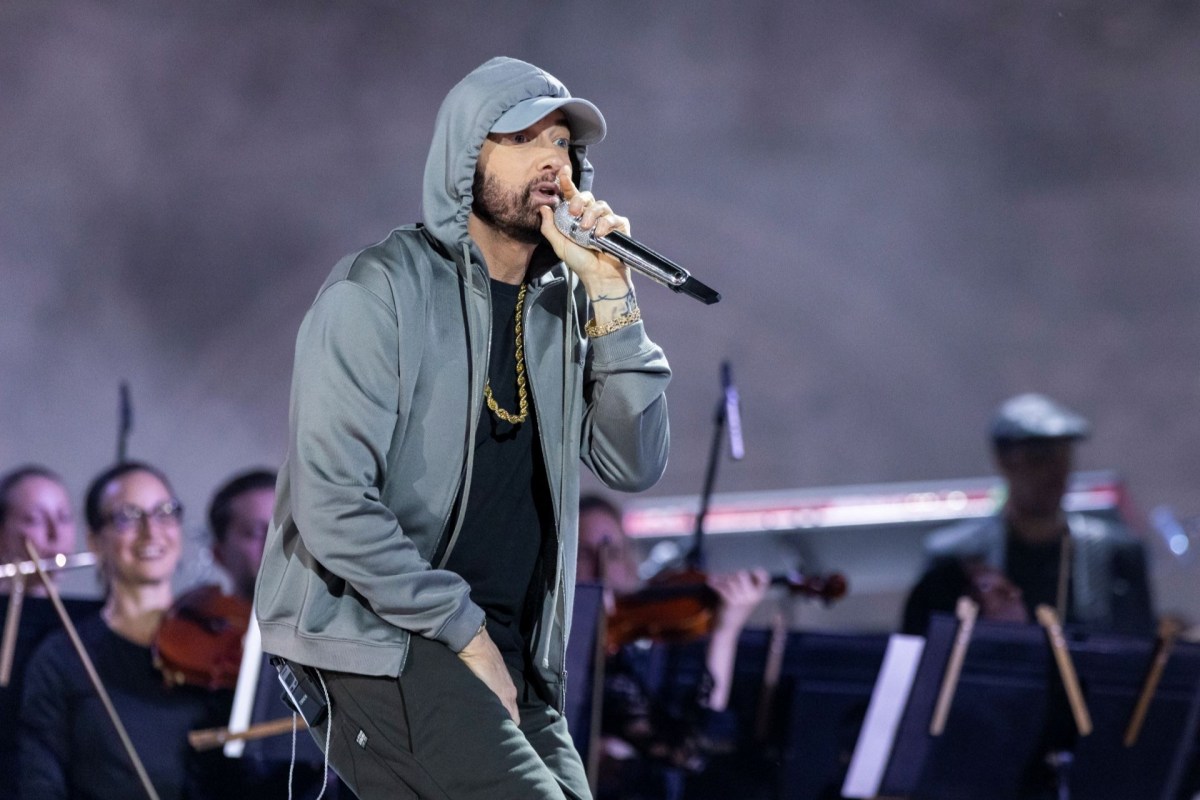
Fans excited about rapper Marshall "Eminem" Mathers' comeback single have been duped by AI. Attention ladies and gentlemen, this is not the real Slim Shady.
Here's what to know
A 12-minute YouTube upload called "I'm Back" acquired more than 100,000 views, Futurism reported. The video appeared prominently in searches for "Eminem," even showing up ahead of genuine tracks such as "Superman," "Shake That," and the real "I'm Back."
The video's title gave no sign that it was unofficial, and the upload was also missing YouTube's official AI label. The only disclaimer appeared in the description, which read "Fan-made music videos inspired by Eminem, Slim Shady, and legendary Detroit hip-hop. This is a fan-made audiovisual project created for entertainment purposes only."
Apparently, that was not enough to prevent confusion and misinterpretation.
"This is fire! Eminem is the goat hands down," one user wrote in the comments.
Futurism reported that searching the email address tied to the upload led to other YouTube accounts posing as rap artists, including Meek Mill and 21 Savage, demonstrating how AI-generated impersonation is becoming a scalable content strategy that can blur the line between fan tribute, parody, and outright deception online.
TCD Picks » Quince Spotlight
💡These best-sellers from Quince deliver affordable, sustainable luxury for all




More background
AI-made media can flood major platforms faster than audiences, artists, and moderation systems can respond.
The fallout can have real consequences for listeners and viewers, who may struggle to tell authentic releases from synthetic ones. For musicians, whose voices, styles, and brands can be copied without permission, it raises questions about royalties, copyright enforcement, and whether recommendation systems are rewarding volume and novelty over originality.
Cases like this shed light on AI misuse, from misinformation and fraud to security and trust issues that can spill far beyond entertainment.
What's being done?
Artists and labels have long tried to rein in unauthorized tracks built from their voices and likenesses as AI tools become easier to access.
Futurism reported that Universal Music — which controls Eminem's Shady Records — is making deals with AI firms such as Nvidia and Udio.
Milana Salaeva, the creator behind the account, told Futurism that there was no intention of ever making it look like a genuine new Eminem release, saying, "I make it clear in the description that the content is unofficial and that AI-generated or AI-assisted elements may be used."
The video has since been taken down.
Where can I learn more?
The AI technology behind fake songs and other applications is also fueling security worries, public backlash, and growing pressure on energy systems as companies rush to expand it.
• Public frustration is growing as AI advancements raise security concerns alongside job and resource fears.
• Across Big Tech, AI infrastructure spending is racing ahead of power grid capacity through 2026.
• In the UK, Joulen rolled out an energy optimization platform to cut household bills.
• At MIT, Priya Donti created an AI system to optimize renewable power grids.
AI's risks expand beyond impersonation, platform confusion, and fake tracks, but it also offers benefits that companies are pursuing. That is why labeling, safeguards, and accountability are paramount as artificial intelligence systems continue to grow.

Get TCD's free newsletters for easy tips, smart advice, and a chance to earn $5,000 toward home upgrades. To see more stories like this one, change your Google preferences here.






