


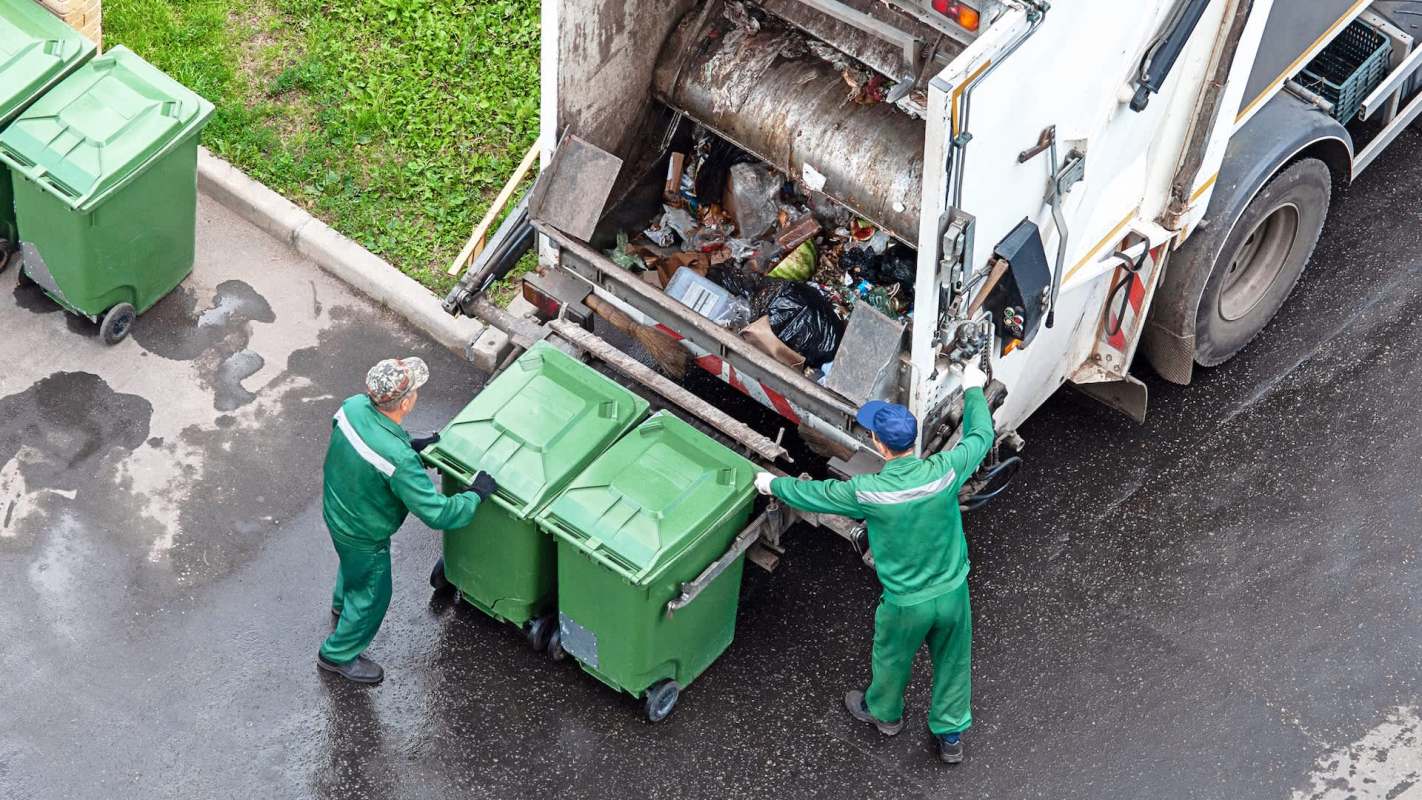
Trash trucks in Dallas, Texas, are doing more than collecting bulk waste. The city has equipped some garbage trucks with artificial intelligence cameras that photograph houses, score them for "blight," and spot possible code violations. This approach is raising concerns about privacy, fairness, and whether residents with limited means could be hit hardest.
Here's what to know
According to records reviewed by NBC 5 Investigates, Dallas began testing the cameras in April and expanded the program, ultimately capturing images of tens of thousands of homes. Those records show the AI identified at least one potential code problem at more than 21,000 properties, which were then assigned a 1-to-4 "blight score."
The scoring has already led to enforcement action for some owners. City records showed that from early April through early August, more than 500 properties were sent code enforcement "courtesy notices," which can later result in fines if the issues are not corrected, and the city said that total had climbed to 1,800.
Ty Williams, a real estate broker, told NBC 5 that a house he owns was assigned a blight score of 2 over a "chimney paint" issue.
"This is pretty wild to be a number two," Williams said. "I feel like they're making an issue out of nothing."
Another resident objecting to the system is Dennis Edwards of Southern Dallas, who said he lives on Social Security and that his home also received a blight score of 2.
TCD Picks » Quince Spotlight
💡These best-sellers from Quince deliver affordable, sustainable luxury for all




"It's a violation of privacy," Edwards said.
More background
When NBC 5 mapped the properties flagged by the system, many of them were concentrated in economically challenged parts of Southern Dallas.
Edwards said added code enforcement pressure can be especially damaging in neighborhoods already dealing with gentrification and rising taxes.
"What they're trying to do is they're trying to flush us out. They're trying to get us gone," Edwards said. "The taxes going up, they putting code violations on my door."
The city's camera program is backed by a three-year, $2.5 million contract. Code Compliance Director Chris Christian said, "We want to maximize the use of existing resources and tough budget times for many cities and I think this is a really cool way to do that."
But the city described a specific target in a statement to NBC 5. A spokesperson said, "Before implementation, the only measurable goal was the issuance of 5,200 courtesy notices per year following full rollout."
What's being done?
City officials say the scores are not intended to decide cases on their own. In a statement, they said the city uses blight scores only "as a way to prioritize detections" and "as a way to help human reviewers" decide which properties receive notices.
City Detect, the company operating the cameras, also defended the system.
Addressing those concerns in a statement, the company's CEO said, "Our system blurs faces and license plates, doesn't connect to any law enforcement or federal database, and, by design, requires city staff to review a detection before any action is taken."
Daniel Woislaw, a civil rights attorney with the Institute for Justice, said the term itself is troubling. He warned, "I immediately have concerns any time the phrase 'blight score' comes up, because blight is often used by cities around the country as a pretext."
NBC 5 Investigates reported that Dallas City Councilmember Chad West has proposed a budget amendment that would cut funding for the cameras.
"If they really want to do something and they really want to help others, put a program out there to help people, to help them get these things done, so they're not having to deal with a blight score," Williams said.
Where can I learn more?
Dallas isn't the only place using trash-related infrastructure to keep tabs on what's happening in neighborhoods. Here are a few examples of cities and companies adding sensors, cameras, and AI to bins and collection systems in the name of efficiency.
• In Wolverhampton, officials put sensors on public garbage bins to cut overflow and missed pickups.
• Startup Binit is pushing a brainy AI trash scanner that analyzes household waste at home.
• One homeowner's camera captured infuriating action by garbage collectors, highlighting tensions around waste-related surveillance.
All of it underscores how waste collection is becoming a tool for gathering data far beyond picking up trash. That bigger picture matters as Dallas weighs whether the promised efficiency and enforcement benefits are worth the tradeoffs.

Get TCD's free newsletters for easy tips, smart advice, and a chance to earn $5,000 toward home upgrades. To see more stories like this one, change your Google preferences here.






