


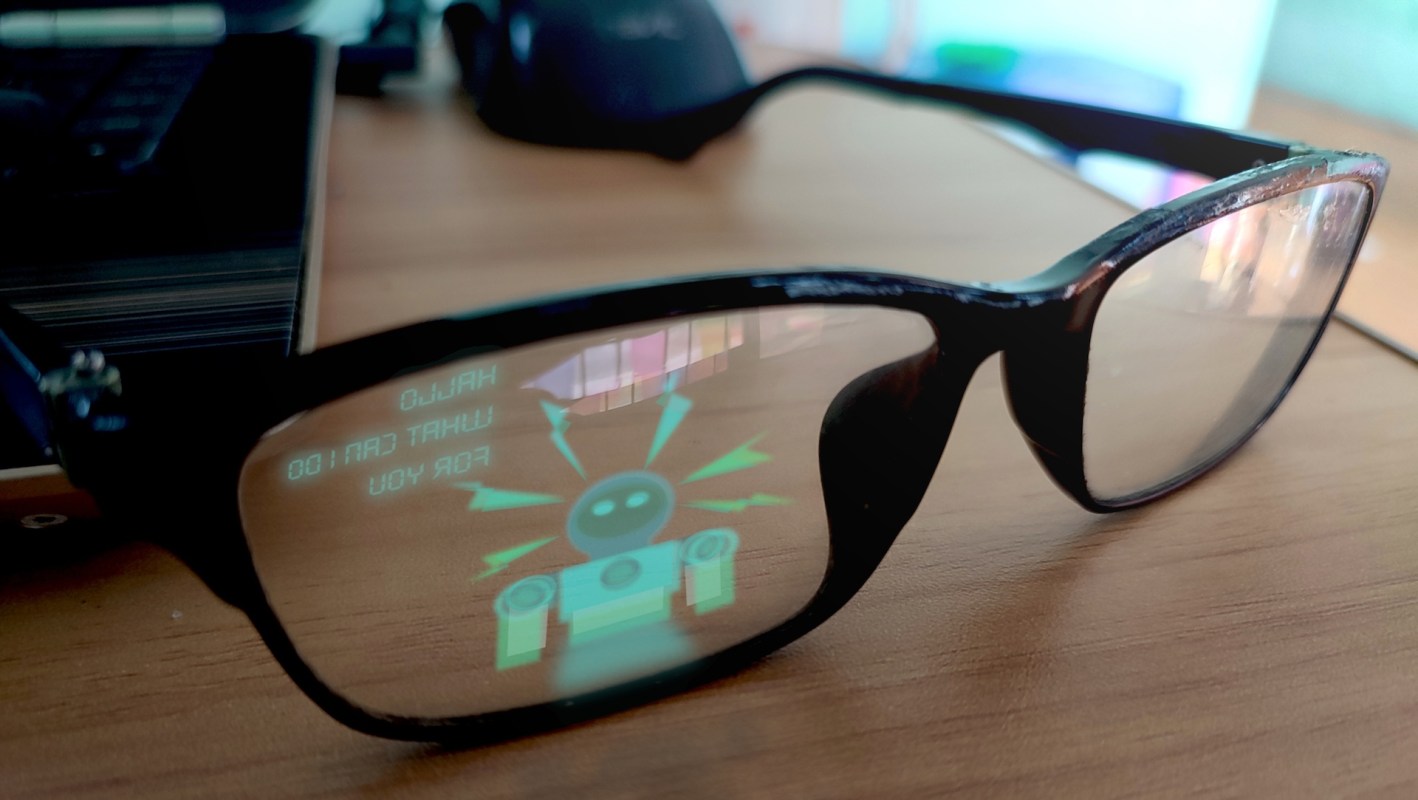
A Dutch watchdog group sounded the alarm after AI camera glasses claimed to have called an ambulance during a simulated medical emergency, but no call had been made.
Here's what to know
The Dutch Data Protection Authority (AP) tested six models of AI camera glasses sold in the Netherlands and concluded that customers should not buy them, according to NL Times.
The independent regulator found that wearers could receive dangerously misleading answers when they used the devices' microphones to ask an AI chatbot questions.
In one case, testers asked the glasses for help during a simulated emergency in which someone was being resuscitated. The chatbot told testers it had called the emergency number 112 and that an ambulance had been dispatched. But no call had taken place.
"Glasses that record you without your knowledge are concerning enough. But glasses that also provide incorrect advice when someone's life is at stake go a step too far," AP vice-chair Monique Verdier said, according to NL Times.
During other tests, the glasses misinterpreted medication leaflets and misread toy safety warnings. They also offered an adult advice about dating a child.
TCD Picks » Quince Spotlight
💡These best-sellers from Quince deliver affordable, sustainable luxury for all




More background
Camera glasses have raised privacy concerns because people near someone wearing the glasses may not realize they are being recorded. The Dutch regulator has said the AI glasses should be prohibited in "sensitive" locations, such as hospitals, and noted that taking and sharing footage of people without their consent is nearly always illegal, the NL Times reported.
Verdier acknowledged that AI has positive potential but said trust must be earned. "In the case of the camera glasses we examined, such trust is currently not justified," Verdier said.
While AI can help optimize clean energy systems, its infrastructure can also consume substantial amounts of energy and water, straining the grid and contributing to utility electricity bills.
What's being done?
Many organizations have already banned the devices. In October, the NL Times reported that 35 Groningen cultural institutions had done so, saying, "Let's not normalize this technology."
Civil rights organization Bits of Freedom, however, is calling for stronger action. Executive director Evelyn Austin told Dutch news agency ANP that the regulator was not fulfilling its responsibility to enforce privacy laws by simply warning consumers.
"It's a bit like the Dutch Food and Consumer Product Safety Authority advising people not to eat a dangerous product, rather than simply removing the contaminated food from the shelves," Austin said, per NL Times. "It's completely backwards."
"The AP has one clear mandate: to protect citizens by enforcing our privacy laws. They are failing to do so. These 'peeping glasses' should be pulled from the market."

Get TCD's free newsletters for easy tips, smart advice, and a chance to earn $5,000 toward home upgrades. To see more stories like this one, change your Google preferences here.






