


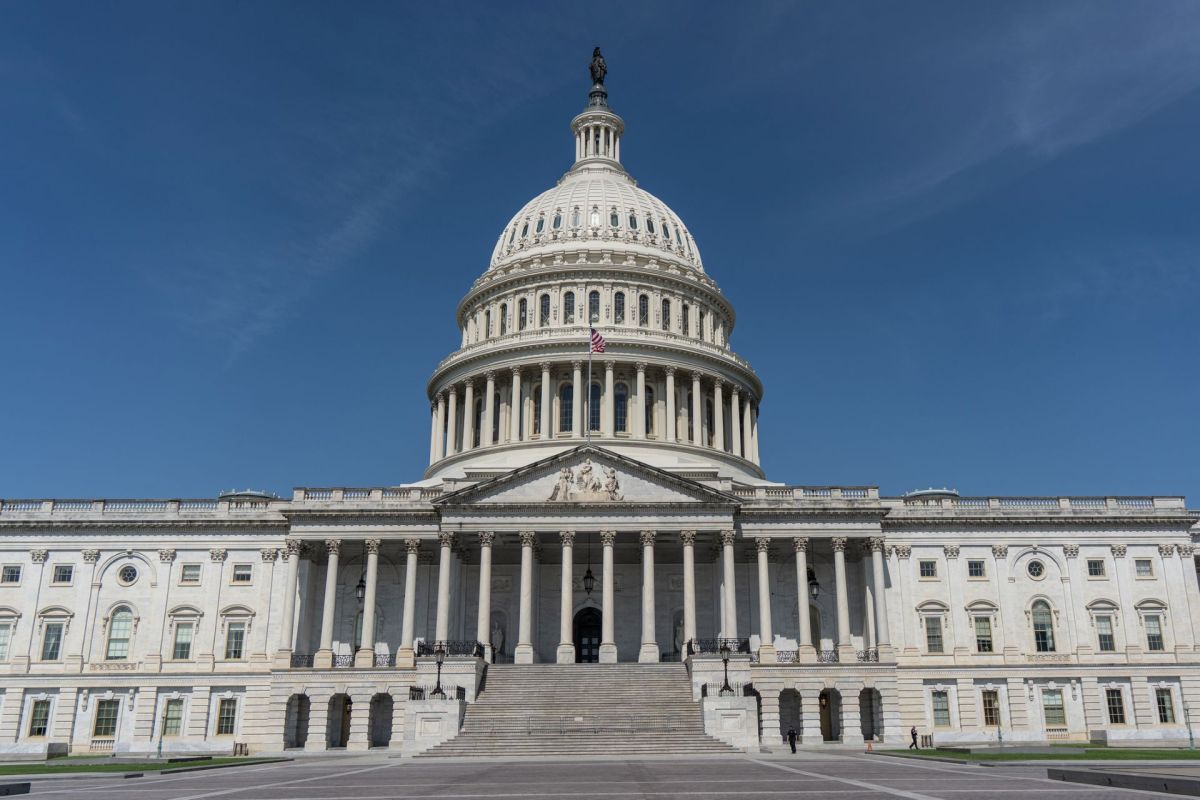
As generative AI spreads through congressional offices, attorneys on Capitol Hill say it is starting to influence how legislation gets drafted.
Their concern is about quality as much as speed: tools that can produce bill language quickly and cheaply may also produce messier, tougher-to-vet text that is more susceptible to errors with real-world effects.
Here's what to know
According to POLITICO, the House Office of Legislative Counsel — the nonpartisan office that converts policy concepts into legally workable bills — has been getting swamped with AI-generated proposals containing mistakes, clunky language, and bad legal references.
One person said fixing AI-written bill text can take more time than drafting legislation from the ground up. House Legislative Counsel Warren Burke testified that the office received 5,623 requests for legislation during the first 60 days of Congress in early 2025, a 72% increase.
Instead of simplifying the drafting process, that influx has added to fears that AI is creating more cleanup work for the lawyers charged with making legislation legally sound.
Daniel Schuman, executive director of the nonprofit American Governance Institute, said that "AI is good for a lot of stuff, but it's not capable of drafting legislation that you would want to enact into law."
TCD Picks » Quince Spotlight
💡These best-sellers from Quince deliver affordable, sustainable luxury for all




Former House legislative counsel Wade Ballou said AI struggles with the fine distinctions that legislation often requires, including whether money should be set up as a "tax credit, tax deduction, tax exclusion, or a grant."
More background
In federal law, seemingly small wording choices can have major consequences, shaping who can access public programs, how agencies apply the law, and whether courts can interpret a statute clearly.
For instance, one person familiar with the office's work said that an AI draft might define "state" so narrowly that Washington, D.C., or tribal nations would be left out of federal programs.
Ari Hershowitz, a lawyer and technologist who has worked with the office, said AI drafts can also point to the wrong parts of the U.S. Code — "a guaranteed way of introducing thousands of bugs into our legal system."
Congress writes the rules that shape taxes, benefits, infrastructure, health care, and energy policy for millions of Americans.
So when flawed bills are introduced — or when staff cannot clearly explain what a measure is supposed to do — the fallout can extend well beyond Washington, causing confusion and delays in policies that touch daily life across the country.
What's being done?
In March testimony, Burke said the office had set up a working group to examine whether AI might be useful for narrower tasks such as legal research.
The House office is also relying on tools built specifically for legislative work instead of consumer chatbots. One example is the Comparative Print Suite, which lets staff see how proposed bill language would alter the U.S. Code.
Hershowitz said it differs from generative AI in a key respect: "There's no hallucinations."
Charlotte Lee, director of strategic growth at Granicus, said tools built around congressional workflows are better suited to this work than off-the-shelf AI products.
She described the current arrangement as a mismatch, saying, "Members and interest groups get to write things with AI, but then leg counsel themselves can't use [commercially available] AI."
Some lawmakers are also calling for stronger support for the office itself. Representative Joe Morelle said he wants the House Office of Legislative Counsel to have the resources it needs to keep legislation high-quality.
Where can I learn more?
The pressure on congressional bill drafting fits into a much bigger debate over how government should respond to AI's rapid expansion.
The stories below look at that tension from different angles, from oversight fights in Washington to the water, power, and job concerns surfacing around the country.
• In Congress, AI regulations were rejected as fights over oversight and industry growth intensified.
• In California, lawmakers pushed data center water-use transparency as AI infrastructure strains local resources.
• Across the country, public backlash is growing as AI raises job, water, and power fears.
Seen alongside the debate on Capitol Hill, those stories underscore how quickly AI is forcing policy decisions across government. The bigger question is whether public institutions can keep up as the technology spreads.

Get TCD's free newsletters for easy tips, smart advice, and a chance to earn $5,000 toward home upgrades. To see more stories like this one, change your Google preferences here.






