


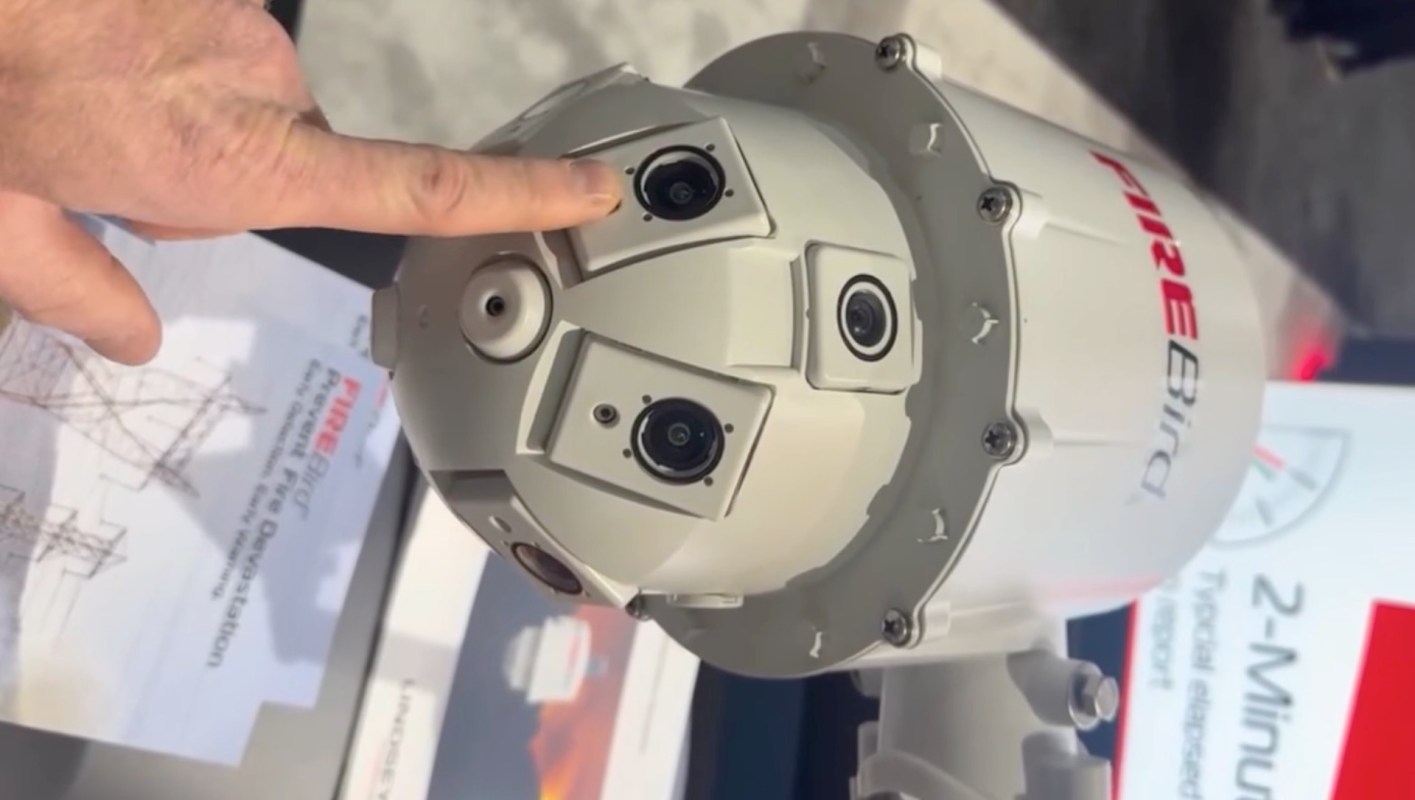
Rancho Cucamonga is adding a high-tech new layer to its wildfire defenses.
A new AI-assisted detection system can identify the heat signature of a brush fire from about 100 yards away in as little as three seconds, potentially giving firefighters a critical head start.
What happened?
Officials have started using a new warning tool called FIREBird that is meant to catch wildfire threats earlier. The system combines artificial intelligence with heat-detection technology to watch for possible brush fires and alert responders quickly.
As The Orange County Register reported, it is intended to give the community advance notice of wildfire danger. Its main advantage is how fast it can identify a small brush fire.
The solar-powered, 360-degree cameras use a wildfire-specific thermal detector that locates specific wavelengths of heat. The devices then send photos to firefighters' phones and tablets so they can monitor the fire as they head to the scene, giving them real-time information in case they need to call for more equipment.
In a place where dry vegetation, heat, and strong Santa Ana winds can help a minor ignition grow rapidly, that extra time could matter a great deal. It also gives the district another way to spot trouble instead of depending only on 911 calls or someone noticing smoke in person.
TCD Picks » Quince Spotlight
💡These best-sellers from Quince deliver affordable, sustainable luxury for all




Why does it matter?
In wildfire-prone communities, minutes matter. A fire caught while still small is often much easier — and less costly — to contain than one that has already spread into nearby brush, neighborhoods, or hillsides.
For residents, faster detection can mean more than protecting open space. It can lower the risk of home damage, road closures, power disruptions, and emergency evacuations. It can also help limit smoke exposure, which can be especially dangerous for children, older adults, and people with asthma or other respiratory conditions.
The technology is especially relevant as communities continue to face hotter temperatures and longer stretches of dry conditions. In those circumstances, even a seemingly minor spark can become a major public-safety threat if it is not noticed quickly.
AI also offers a practical advantage: It can monitor continuously without waiting for someone nearby to report what they see. While that does not prevent every fire, it may help emergency crews start moving sooner.
What's being done?
The new system shows how local agencies are trying to modernize wildfire preparedness instead of relying on any single strategy.
AI-assisted detection can complement firefighters on the ground, dispatch systems, public alerts, and vegetation management efforts already used in fire-prone areas.
It is not a replacement for crews or prevention work. Instead, it appears to function as an early-warning layer — one that may help officials assess threats more quickly and send resources where they are needed before flames spread.
If you live in wildfire-prone areas, it's smart to sign up for local emergency alerts, keep dry brush and debris away from homes, prepare a go-bag, and know evacuation routes in advance.
If the system performs as intended, it could offer a model for other communities looking for faster, smarter ways to respond to wildfire danger.

Get TCD's free newsletters for easy tips, smart advice, and a chance to earn $5,000 toward home upgrades. To see more stories like this one, change your Google preferences here.






