


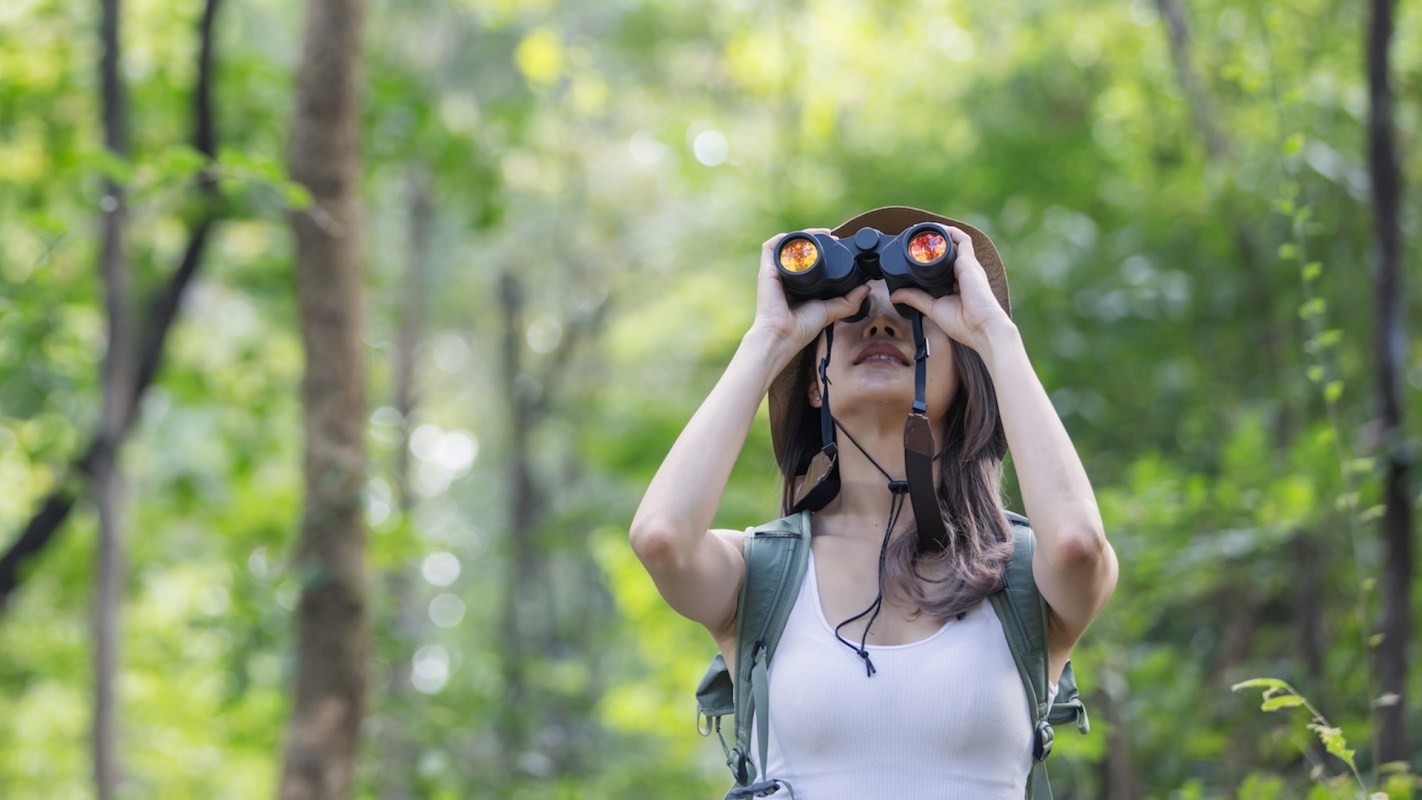
For birders, spotting a species far outside its usual range can feel like winning the lottery. But scientists are now warning that artificial intelligence-edited wildlife photos could turn those exciting discoveries into bad data.
As The Guardian reported, the growing volume of fabricated or manipulated bird photos is prompting worries that major citizen-science platforms may become less dependable.
What's happening?
In a recent commentary in Nature, researchers warned that generative AI now makes it easy to either fabricate persuasive wildlife images or tweak real photographs in ways that no longer match what the camera actually captured.
Researchers often rely on platforms such as iNaturalist and the Macaulay Library to track where species are found, how they move, and how climate shifts are affecting them.
According to Dr. Alexander Lees, an ecologist at Manchester Metropolitan University and an author of the paper, signs of the problem are already easy to find online.
"My experience of looking at Facebook these days is that a huge volume of wildlife photos now are simply AI-generated imagery," Lees told The Guardian.
TCD Picks » Quince Spotlight
💡These best-sellers from Quince deliver affordable, sustainable luxury for all




Lees said the concern goes beyond deliberate fakes. A person might ask AI to remove a branch, sharpen a bird, or otherwise enhance a scene, and the tool can end up adding details from another species.
He called out a reported sighting in central Brazil in which an epaulet oriole was modified so that it looked like a red-winged blackbird.
"Wildlife photographers can be quite obsessed with getting a beautiful photo, but there's a risk that the image might actually cause problems down the line when AI has been used to edit it," Lees revealed to the outlet.
Why does it matter?
For conservation work, these public databases have become highly useful. Researchers use them to follow shifts in migration, changes in flowering schedules, and movement in species ranges as the planet warms.
Once incorrect images enter those records, they can blur the evidence scientists use to understand ecosystems and make decisions.
Because these databases are increasingly used as near-real-time signals of environmental change, their accuracy matters. That means even a modest number of false entries can cloud the picture around unusual sightings or possible habitat changes.
What's being done?
Researchers and platform managers are urging people to be more cautious about editing nature photos. When an image is being used to document a sighting, faithfulness to the original scene matters more than visual polish.
Tony Iwane, iNaturalist's director of community support and a co-author of the Nature paper, said the problem may not usually stem from bad intent.
So far, The Guardian reported only about 1,400 of iNaturalist's more than 610 million images have been flagged for AI use, but researchers said the true scale remains unclear because many manipulated photos may never be detected.
Researchers said documentary photos should remain as true to life as possible, with any edits clearly disclosed.
Basic corrections such as cropping or exposure adjustment may be one thing, but using AI tools to remove objects or "improve" an animal's appearance could compromise records that researchers later rely on.
"The more we know about where species are, the better informed we can be as conservationists," Iwane told The Guardian. "But the information needs to be accurate."

Get TCD's free newsletters for easy tips, smart advice, and a chance to earn $5,000 toward home upgrades. To see more stories like this one, change your Google preferences here.






