


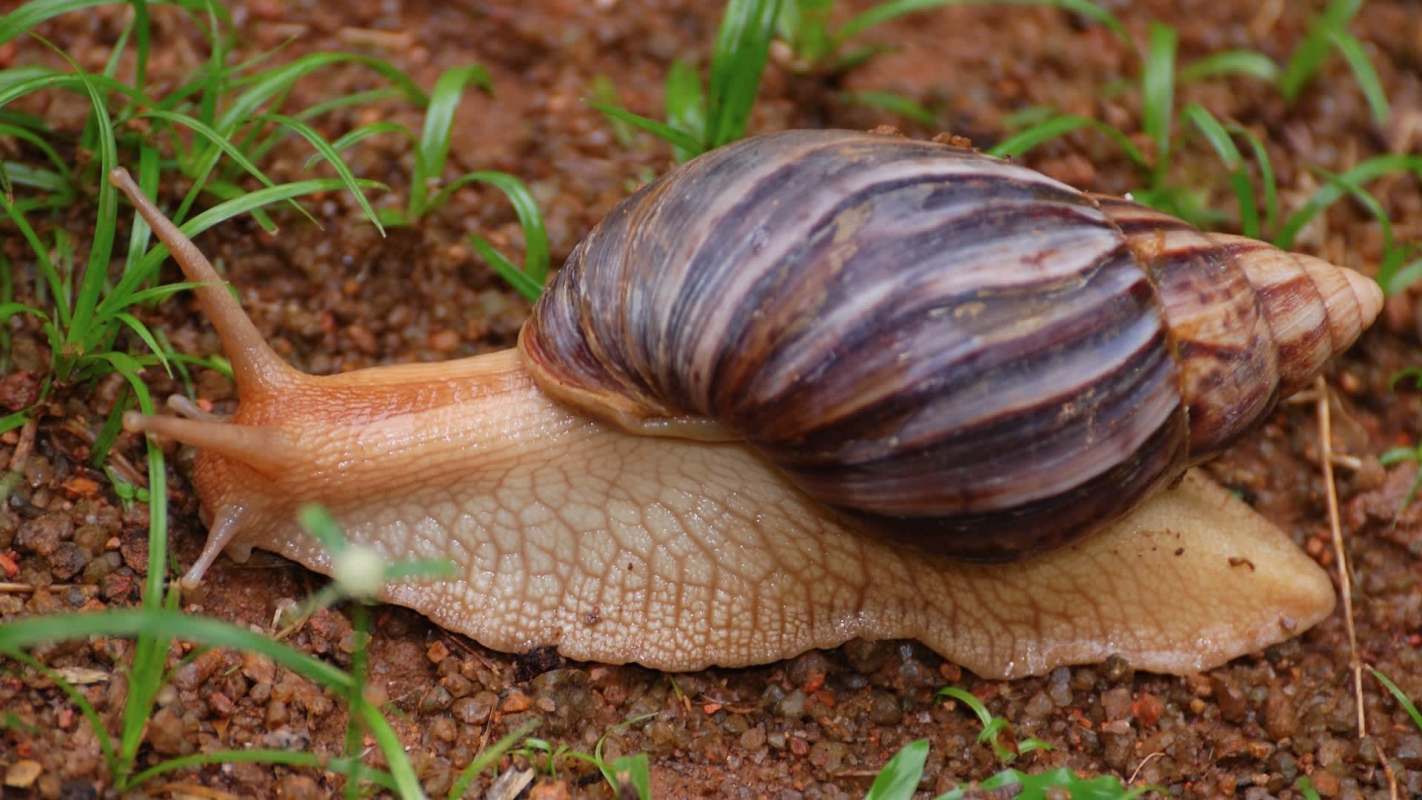
Kerala's Bison Valley in India is facing a growing African snail outbreak that is damaging cardamom fields, putting a key local cash crop at risk and deepening pressure on farming households in an already delicate rural economy.
Reports from the area indicate that six wards of the Bison Valley panchayat have now been affected, suggesting the damage is no longer limited to isolated plantations.
What's happening?
In Kerala's Idukki district, growers in six wards of Bison Valley panchayat are seeing cardamom plants harmed by African snails, according to The Hindu. In response, Kerala Agricultural University sent officials to the area to show farmers techniques intended to limit the infestation.
The university visit was led by R. Narayana, associate professor of the Department of Nematology at Kerala Agricultural University, Vellayani, who said plantation conditions in the area are making it easier for the snails to multiply.
"Plantations in Bison Valley are filled with dried leaves and organic waste, which provide an ideal habitat for the snails to breed. Only a joint effort by all farmers in the area can curb this menace. We demonstrated how to use food traps to attract and destroy the snails," he said.
According to The Hindu, African snails have been a recurring issue in the district since 2018, and officials say the threat is expanding rather than easing.
TCD Picks » Quince Spotlight
💡These best-sellers from Quince deliver affordable, sustainable luxury for all




"The infestation is now spreading to many other panchayat areas in the district, posing a significant threat to plantations," one official warned.
Why does it matter?
Cardamom is a high-value crop, so widespread damage can quickly hit growers' incomes. When a pest outbreak spreads across neighboring plantations, it can also raise labor costs, reduce yields, and make farm management even harder for rural communities that rely on harvests for financial stability.
Local agriculture officials say plantation upkeep is part of the problem. Bison Valley agriculture officer Smitha S. Kumar said that poor cleanup in some plantations has helped the snails spread rapidly, according to The Hindu.
The problem is tied not only to biology but also to land management practices and the capacity of local authorities to respond.
What's being done?
Control efforts are focusing first on field demonstrations from Kerala Agricultural University specialists, who are showing farmers how to use food traps to draw in and kill the snails.
Narayana pointed to another example of successful cooperation.
"African snail infestation was contained in Ezhukone panchayat in Kollam district through the joint efforts of local bodies and affected farmers. The local panchayat and farmers here must adopt a similar collaborative approach to tackle the issue," he said.
Local officials say coordination is already beginning.
"We have already reported the issue to the Agriculture department and the Bison Valley panchayat. Joint efforts are now under way to prevent the snail menace," Kumar added. "Scientists have advised using a copper sulfate spray to protect the plantations."

Get TCD's free newsletters for easy tips, smart advice, and a chance to earn $5,000 toward home upgrades. To see more stories like this one, change your Google preferences here.






