


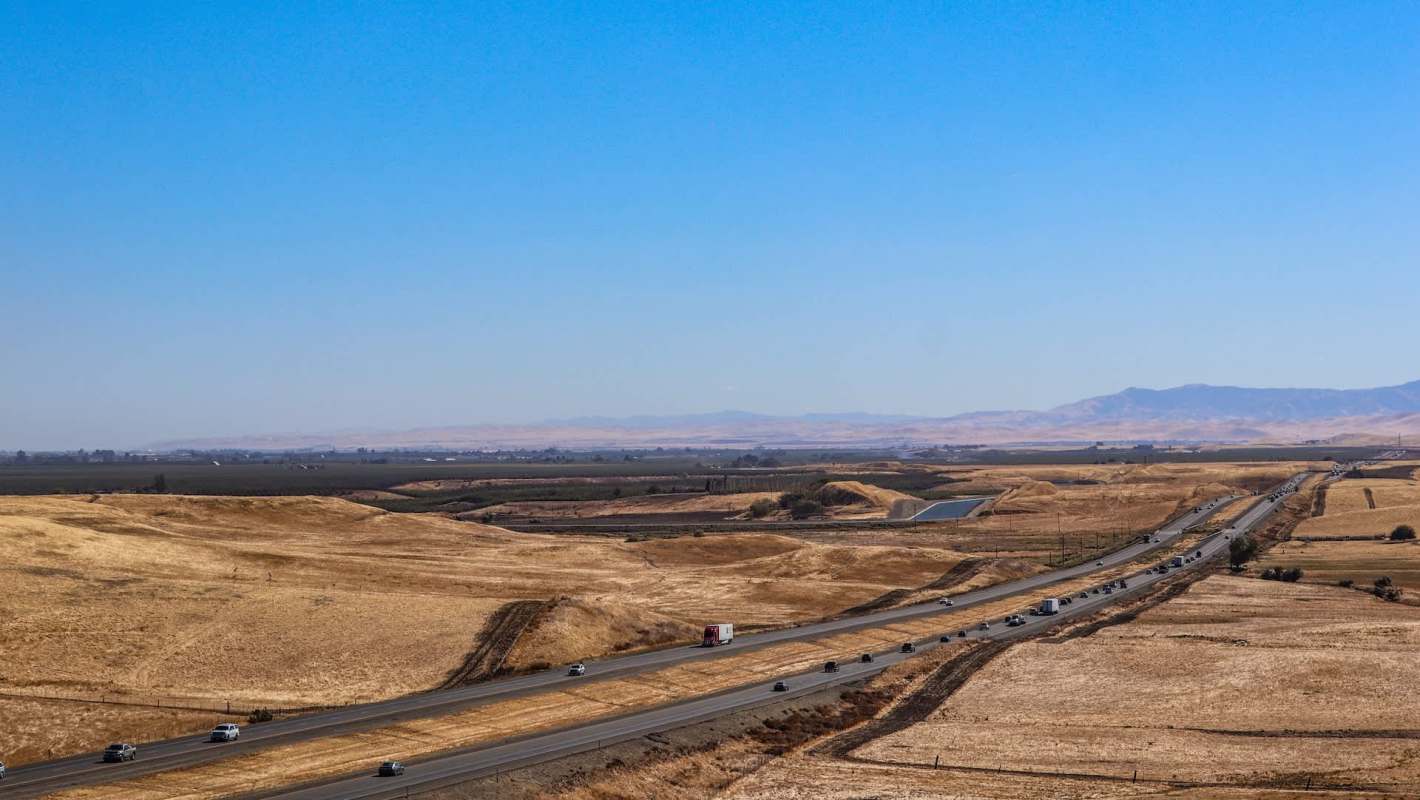
Pacific Gas & Electric has completed 25 miles of underground power lines in California's Lebec area, a fire-prone stretch along Interstate 5, as part of a project aimed at reducing wildfire risk and limiting outages during extreme fire weather.
Pacific Gas & Electric says the burial work along I-5 is complete, and KBAK/KBFX reported that the new equipment is expected to enter service by September, after final steps are completed.
What's happening?
Along the wildfire-prone Interstate 5 corridor near Lebec, PG&E said it has completed a transition to underground power lines.
The company said that burying those lines underground should cut wildfire risk associated with its equipment by about 98% in an area where a small spark can quickly grow into a fast-moving fire.
KBAK/KBFX said the project is also intended to reduce public safety power shutoffs during periods of extreme fire weather.
Those shutoffs are used to reduce the risk of utility equipment starting a fire, but they can also leave homes and businesses without electricity during already difficult conditions.
TCD Picks » Quince Spotlight
💡These best-sellers from Quince deliver affordable, sustainable luxury for all




Why does it matter?
Wildfires can destroy homes, shut down major roads, harm wildlife, and fill the air with dangerous smoke.
When fire risk is amplified by power equipment, prevention measures such as undergrounding can help stop some of those cascading impacts before they start.
Fewer utility-related fire risks can mean a lower chance of evacuation, less disruption to travel along a major interstate route, and fewer days spent dealing with smoke, road closures, or emergency alerts.
Limiting the possibility of public safety power shutoffs also makes daily life more manageable.
Outages can interrupt remote work, spoil food, cut off air conditioning, and create serious problems for people who rely on refrigerated medications, medical devices, or internet access.
Undergrounding is not a universal answer to every wildfire threat, but in targeted high-risk areas, it can make the electric system more resilient while reducing the chances that utility infrastructure worsens an already dangerous weather event.
What's being done?
The project is part of a broader strategy utilities are using to reduce wildfire danger, including moving lines underground in high-risk areas, upgrading equipment, and rethinking how electricity is delivered during severe weather.
In the Lebec area, PG&E's work focuses on removing overhead lines from conditions that can damage equipment or spark.
Once the system enters service, it is expected to provide a safer connection through the corridor.

Get TCD's free newsletters for easy tips, smart advice, and a chance to earn $5,000 toward home upgrades. To see more stories like this one, change your Google preferences here.






