


A 150-mile commute, free overnight chargers at work, and high gas prices make one gas-powered vehicle owner second-guess their setup.
After a 150-mile all-highway daily drive plus unusually high gas prices pushed fuel spending from about $250 a month to nearly $600, the commuter turned to Reddit to ask whether an EV had become the most practical choice.
Reliability was the poster's top priority because they are "a mandatory responder," even as workplace charging made the idea more appealing. In a Reddit thread, the original poster wrote, "For the foreseeable future I'll be dogging 150 all highway miles per day," said the workplace had installed free EV chargers, and added that "battery replacements scare me with their big bill."
Here's what to know
Most replies leaned toward making the switch, with several commenters arguing that a long commute paired with free charging is one of the strongest cases for buying an EV.
As one commenter put it: "Dude 150 miles a day with free charging at work is basically the dream scenario for an EV, the math is stupidly obvious at that point."
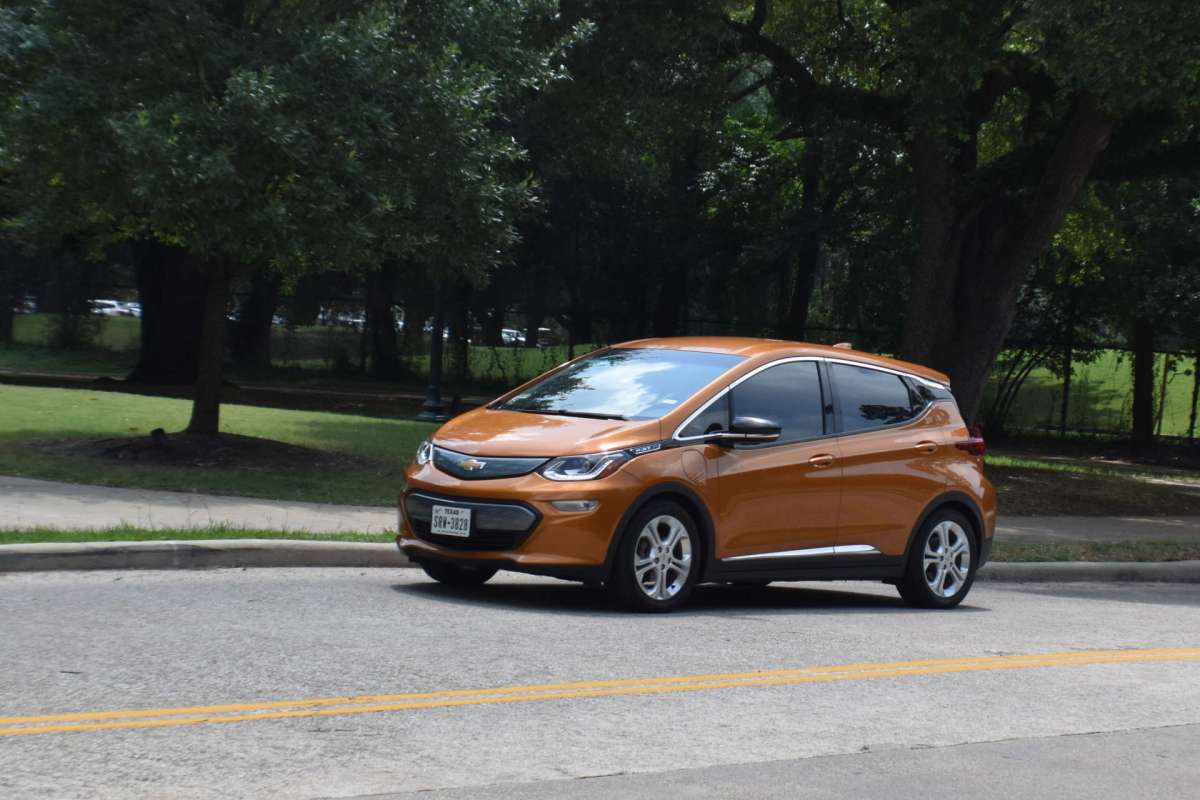
The poster was focused solely on utility, and the Chevrolet Bolt came up more than any other model, although some commenters also mentioned the Hyundai Kona Electric and Tesla Model 3.
TCD Picks » Quince Spotlight
💡These best-sellers from Quince deliver affordable, sustainable luxury for all




For shoppers in the $10,000 to $20,000 range, commenters said the Bolt stands out for low insurance and maintenance costs while still offering enough range for a long commute, especially if it can charge through a full overnight shift.
The same commenter said a 2017 Bolt can return about 160-180 miles of winter range, but that would be "pretty much a non issue for you being able to charge at work." They also wrote, "Other than that, it just works," saying the car has delivered "100k problem free miles" aside from a battery replacement covered under warranty.
More background
For this driver, monthly gas spending increased by roughly $350. If free workplace charging covers most of that 150-mile daily commute, switching could save more than $4,000 per year on the current fuel bill alone.
They also said they plan to keep their current vehicle as a backup, which further reduces the risk of relying on a used EV.
Battery concerns also surfaced repeatedly throughout the thread. One commenter argued that the fear may be overblown, writing, "For modern EVs, better replacement is going to be like engine replacement in ICE cars — sure it happens, but only on old cars and usually the car is scrapped before that's necessary."
What can be done?
Commenters focused on matching the commute with a vehicle's range and confirming that the workplace charging setup fits the schedule, since overnight charging can make a slower-charging used EV a more budget-friendly choice while maintaining practicality.
Even with the Bolt drawing the most support, commenters said shoppers should check recall history before buying. One commenter advised that, if you get a 2021 or earlier Bolt, "make sure it got the battery recall," while another said buyers can confirm that work by entering the VIN on Chevy's website.
Commenters also recommended confirming battery health when possible and avoiding assumptions that every used EV offers the same value. Many commenters said the used market still includes strong options for shoppers who put reliability at the top of the list.
Where can I learn more?
These stories break down EV operating costs, buying incentives, and charging options.
• A Bay Area driver found his EV still costs 7.9 times less per mile than gas.
• In Los Angeles, officials offered an extra $4k to help low-income residents buy EVs.
• One homeowner skipped a major upgrade and used 900W of portable panels to charge an EV.

Get TCD's free newsletters for easy tips, smart advice, and a chance to earn $5,000 toward home upgrades. To see more stories like this one, change your Google preferences here.






