


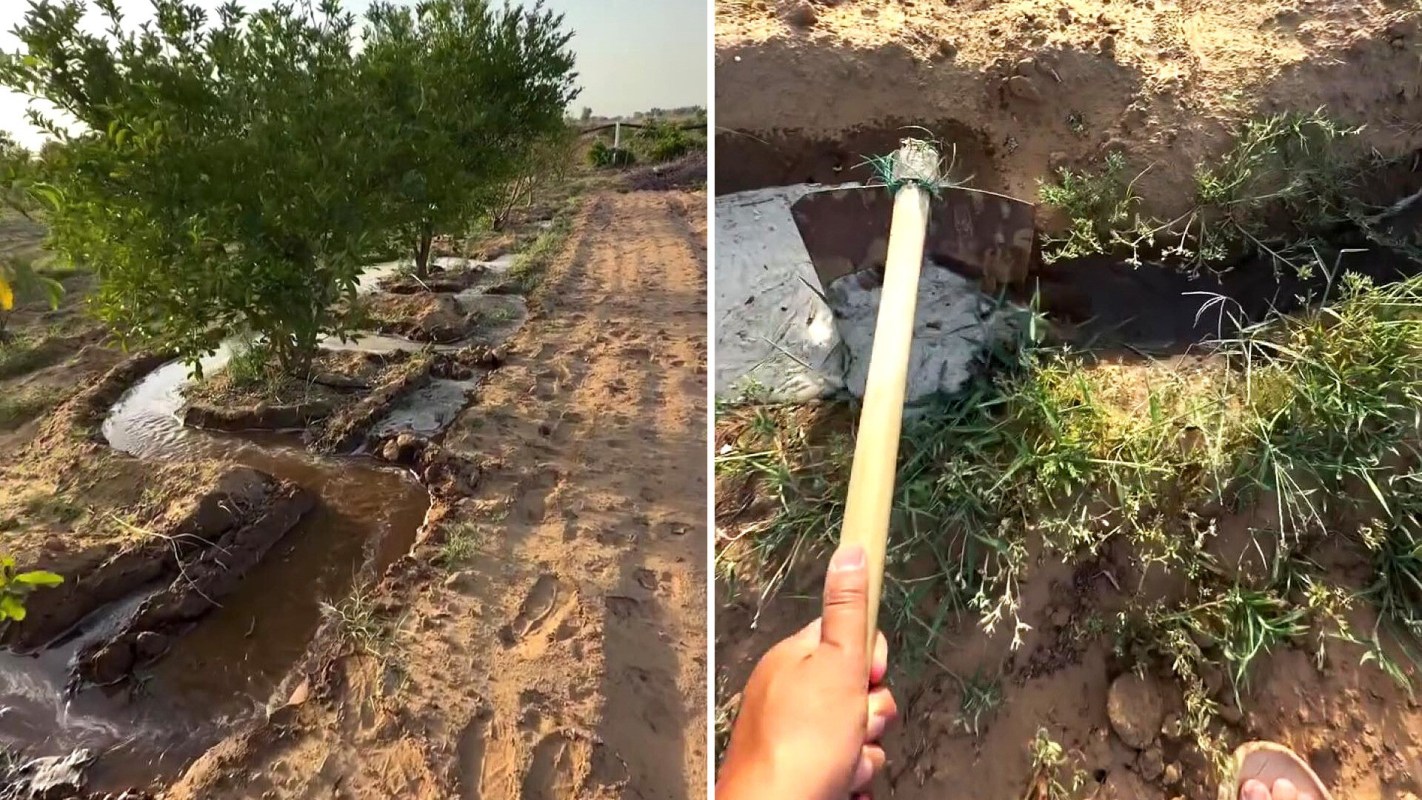
For years, permaculture designer Louis De Jaeger believed a simple rule separated strong trees from weak ones: If a young tree needed watering to survive, it might never have been strong enough to last.
That view changed after he lost trees and as hotter summers made it much harder for young plantings to establish.
What's happening?
Based on his planting experience in the south of France, De Jaeger says refusing to water young trees for the sake of "toughness" can end up killing trees that might otherwise thrive.
In an Instagram post, De Jaeger explained that he "used to think trees that needed watering didn't deserve to survive." He said that belief contributed to tree losses before he reconsidered it.
His thinking shifted in two ways: he began comparing the needs of saplings to the needs of children, who require more help at the start, and he also concluded that a warming climate has made it more difficult for young trees to get established than it once was.
"The summers I plant into now are longer and hotter than they were 10 years ago," De Jaeger wrote. "A young tree that would have established easily before now faces its first season fighting heat and drought at the same time."
TCD Picks » Quince Spotlight
💡These best-sellers from Quince deliver affordable, sustainable luxury for all




The post shows a more hands-on approach to irrigation, with water directed openly around trees rather than relying entirely on drip systems.
Why does it matter?
His point pushes back on the idea that withholding help automatically produces hardier plants. In De Jaeger's view, early support can be part of what creates long-term resilience. Young trees can cool neighborhoods, support biodiversity, stabilize soil, and improve landscapes over time — but only if they make it through those first stressful seasons.
As hotter, drier summers become more common in many places, older planting practices may stop matching present-day conditions. In that environment, trees that once might have established with very little assistance may now need deliberate watering while their root systems are still developing.
Viewers also connected the concept to older water-management traditions. One commenter wrote, "Looks like you are pulling from some of these ancient watering methods … better for the trees — and — it bolsters ecological function overall … not just for the singular tree."
What can I do?
The takeaway is not that trees should be watered heavily forever. What matters most is the early establishment period. During that stage, young trees may need purposeful support until they have the deep roots needed to handle heat and drought more independently.
That can mean watering with more intention during hot spells, watching young plantings more closely in their first years, and updating old ideas about what "toughness" means in a changing climate.
De Jaeger's framing suggests that resilience is something that can be built, not merely tested. Soil type, slope, local heat, and rainfall patterns can all affect how much support a tree needs. Observing what works in a specific landscape can help prevent losses and save time and effort.
As De Jaeger put it, the goal is a tree that reaches "deep roots, independence, and a tree that will outlive me."
"A little care at the start, a lifetime of strength in return," he wrote.

Get TCD's free newsletters for easy tips, smart advice, and a chance to earn $5,000 toward home upgrades. To see more stories like this one, change your Google preferences here.







