


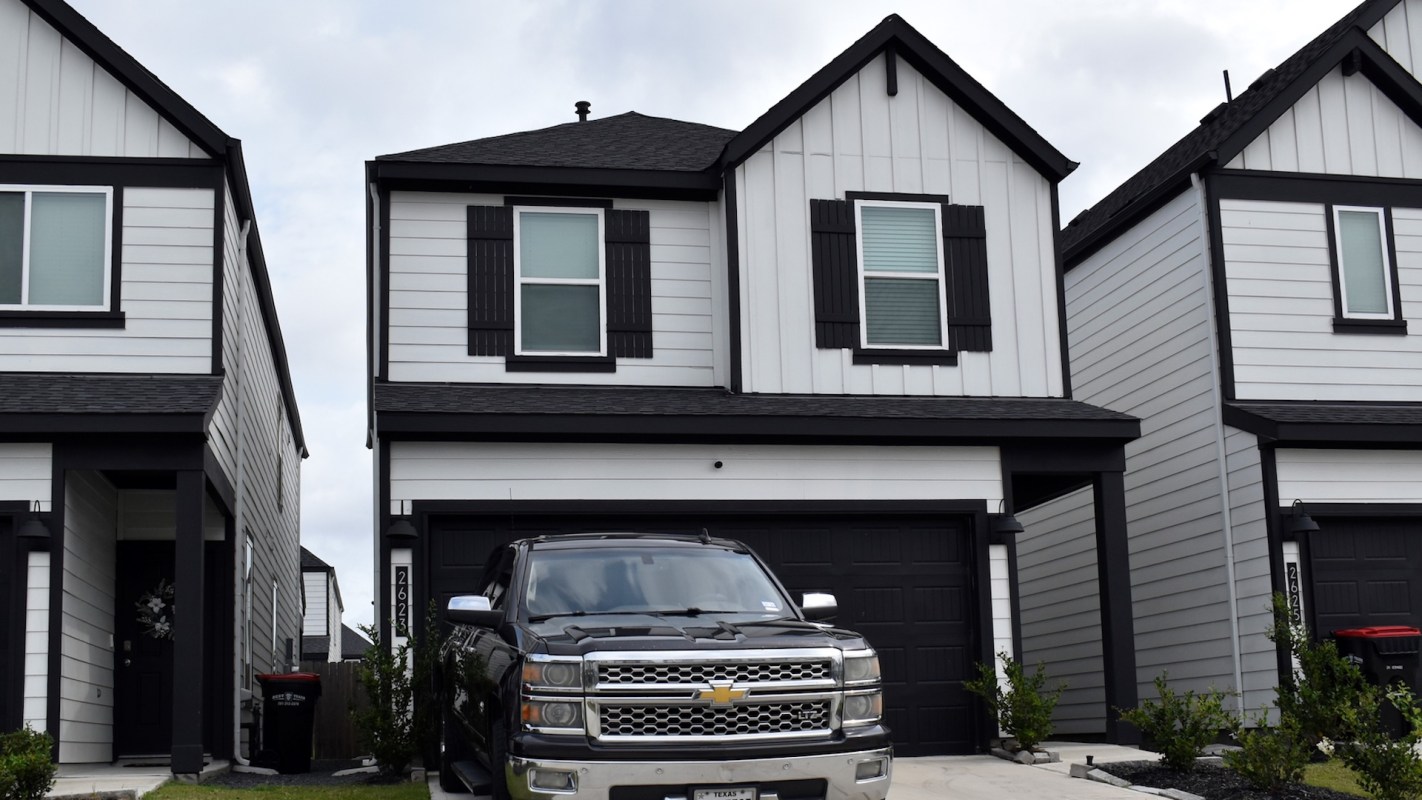
For many Texans, a work truck is not just another vehicle parked in the neighborhood — it is part of how a family earns a living.
But one dispute near San Antonio is showing how quickly that reality can collide with an HOA's idea of curb appeal.
What happened?
According to MySA, the dispute involves a resident in the Creekside neighborhood on San Antonio's Northwest Side, who said her husband's company truck became an issue because it had a logo on it.
She said the HOA still objected after the truck was moved from the driveway to the street.
The disagreement is playing out amid a wider Texas debate over commercial-vehicle parking. San Antonio went from restricting box trucks and big rigs on some public streets to prohibiting them on public residential roads across the city.
In many neighborhoods, the key issue is how an HOA defines a "commercial vehicle." That designation may depend on logos, weight, or equipment such as ladders or racks, and some associations use broad language in their covenants.
TCD Picks » Quince Spotlight
💡These best-sellers from Quince deliver affordable, sustainable luxury for all




When the wording is unclear, homeowners may not realize what is prohibited until warnings or fines begin.
That can leave residents caught between the demands of work and the rules of their neighborhood.
Why does it matter?
For many households, this is not just about appearances.
If someone relies on a company truck to get to job sites, storing that vehicle far from home can add time, cost, and stress, while making daily routines much more difficult.
What can I do?
Homeowners dealing with a similar issue can start by reviewing their HOA's covenants, conditions, and restrictions for the exact definition of a "commercial vehicle."
In some communities, a logo alone may trigger a ban, while others focus more on vehicle size or attached equipment.
It can also help to ask the HOA for a written explanation of the rule, document any inconsistent enforcement, and attend board meetings to request clarification or exemptions.
If multiple neighbors are affected, organizing together may create more leverage to push for changes to unclear bylaws.
Residents can encourage boards to adopt more precise language so workers are not blindsided by subjective enforcement.
And for homeowners facing other HOA barriers — whether over parking, solar, or landscaping — learning the process for petitions, meetings, and bylaw changes can make a meaningful difference.
"He can't have the truck here, and I'm like, 'How is he supposed to get to work?'" one resident said.
Another local saw it differently, saying it was "hard to drive down them because of the car/work truck obstructions" and that "All HOAs should have the same rules."

Get TCD's free newsletters for easy tips, smart advice, and a chance to earn $5,000 toward home upgrades. To see more stories like this one, change your Google preferences here.






