


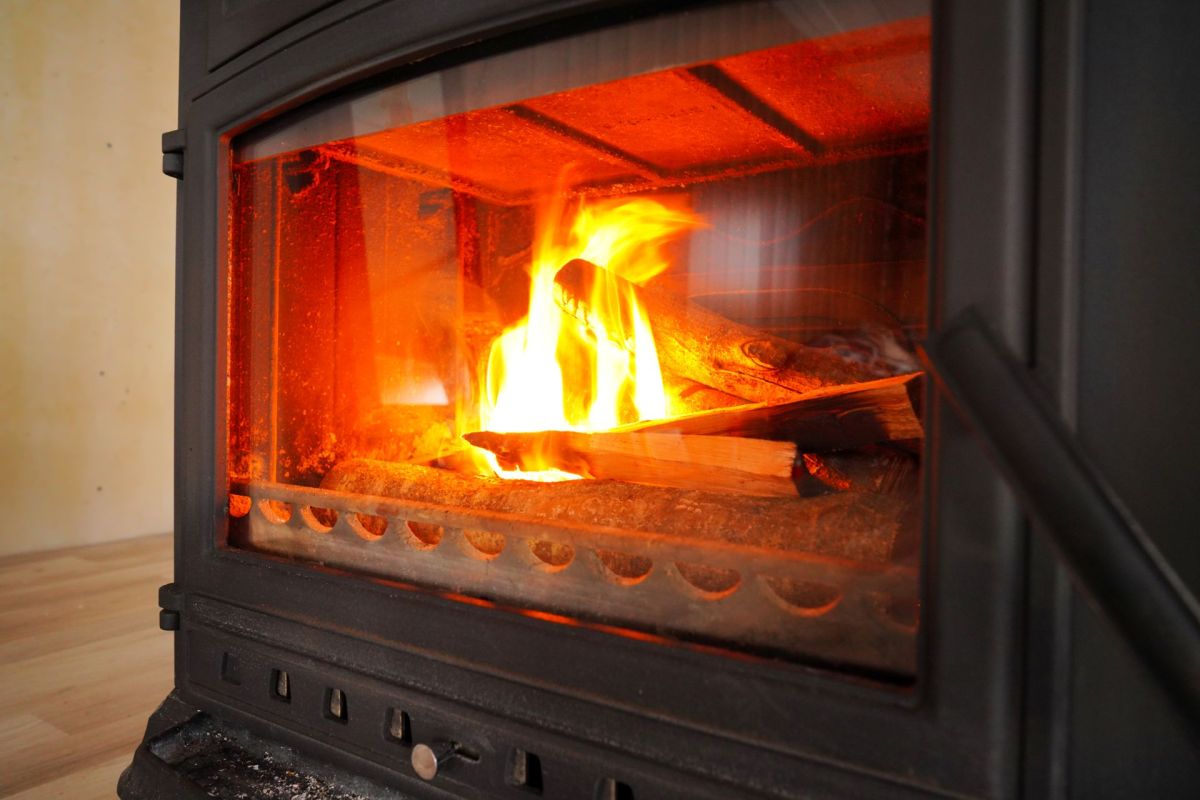
A woodstove owner with a professional insurance background shared a warning about how policy rules around stoves and chimneys can be easy to ignore until a claim is on the line.
Here's what to know
In a post on the Woodstoving subreddit, the user said they spent years working in insurance in a state where wood heating is common and regularly saw problems when people didn't meet their policy terms.
"I saw so many claims being denied because homeowners didn't comply with policy requirements around their woodstoves," they wrote.
Their advice focused on checking the basics before anything goes wrong: Make sure the insurer knows about the woodstove, read the full policy, and ask questions in writing.
They also said homeowners should confirm the exact coverage requirements, including whether the stove must be professionally installed, whether the setup must meet code, and whether annual inspections or chimney cleanings are required. They added that switching carriers can also mean changing standards.
They also emphasized keeping installation records, inspection documents, and chimney cleaning receipts somewhere safe. The preference, they said, would be to store these materials online or off-site in case a fire destroys paper documents on-site.
More background
Responding in the comments, the original poster wrote, "Most people I know have never even read or seen their policy. I think it's easy to overlook."
For households that rely on wood heat, overlooking those requirements can create serious financial risk.
Crushed by your bills? See instant solar savings from vetted installers in just a few clicks With energy prices through the roof, there's never been a better time to go solar — and EasyHome can help you find the best prices from the best installers in your area. EasyHome takes the guesswork and headaches out of energy upgrades by showing you estimated savings from a network of vetted local partners. To get started, just enter your ZIP and share a few details about your home — seeing your estimate is really that easy. |

For homeowners rethinking home heating more broadly, upgrading heating and cooling equipment is one of the clearest ways to save money on utility bills and protect against rising energy prices. Palmetto can help homeowners understand their HVAC options and lower their energy bills with newer, more efficient HVAC systems and heat pumps. Its Comfort Plan network can connect them with vetted installers and efficient heating and cooling solutions.
Redditors compared annual chimney-service costs in the comments.
"We pay $126 annually for a cleaning," one wrote. "Shop around!"
Another said an annual sweep and inspection had increased from $200 to $285, and the original poster said a local independent chimney professional charged around $200 for the service in their area.
What can be done?
The original poster's main point was to sort out the insurance details before any loss occurs — but they also advocated keeping records, including dated documents that establish important timelines.
As one simple way to create a dated record, they said they email themself photos after a sweep. A commenter backed that advice directly, writing, "Emailing photos of your sweeps is smart."
For homeowners considering a bigger heating upgrade, Palmetto's Comfort Plan includes $0-down options that can cut heating and cooling costs by up to 50% and include 12 years of free maintenance.
Homeowners can also pair solar panels with electric appliances, including efficient HVACs, to drive utility costs even lower, and EasyHome can help them compare solar options, find the best system and installer for their home and budget, and typically save thousands on solar installations.
In one of the original poster's final comments, they wrote: "If my house burns to the ground, insurance is probably my only shot at not ending up homeless."
Where can I learn more?
These stories raise similar concerns about woodstove safety, chimney upkeep, and insurance scrutiny:
• In Pennsylvania, a woodstove rookie learned green wood was the risk after winter prep.
• A homebuyer learned a fireplace looked good until the report later called it inoperable.
• A homeowner with a century-old house got an inspection notice and learned what insurers flag.

Get TCD's free newsletters for easy tips, smart advice, and a chance to earn $5,000 toward home upgrades. To see more stories like this one, change your Google preferences here.






