


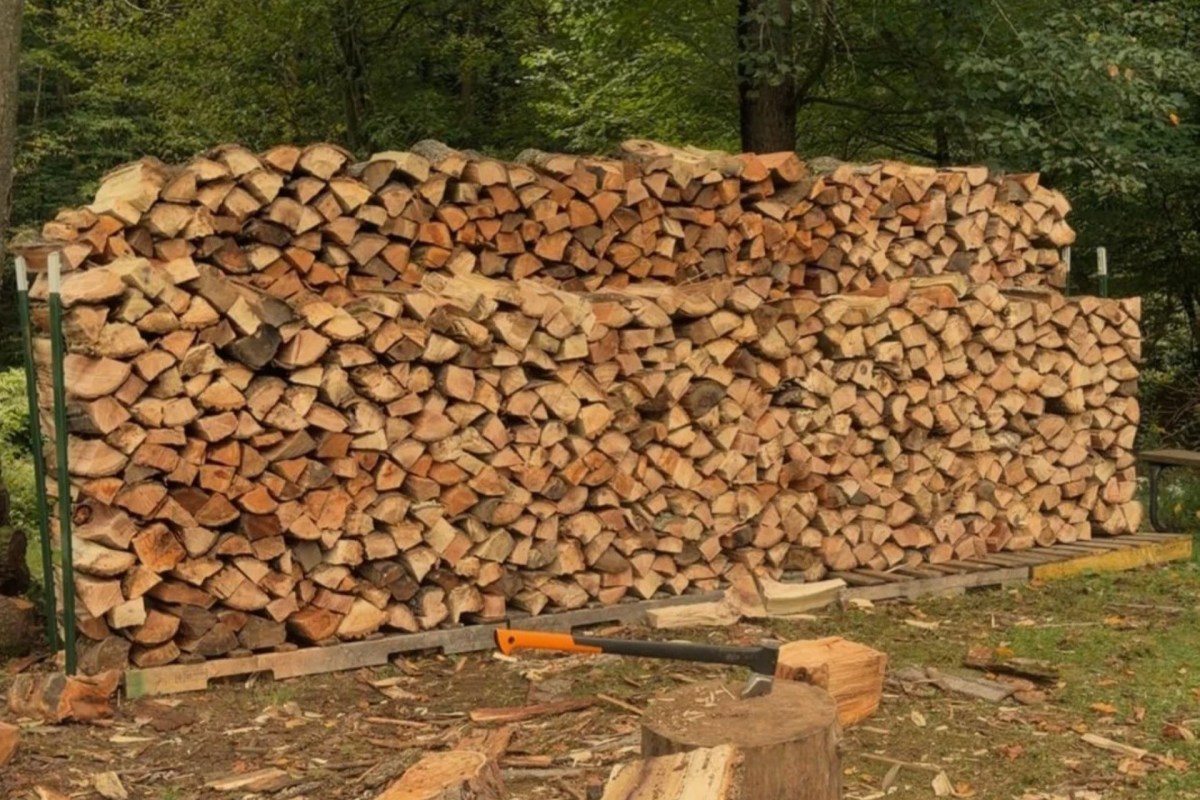
As winter approaches in northwestern Pennsylvania, a new wood stove user is looking to answer a practical question: Would the supply on hand cover a snowy season in a 1,500- to 1,700-square-foot home?
The discussion quickly shifted away from raw quantity, though. Veteran burners said the more important issue was how ready the wood actually was to burn, since wood cut and split too recently can hurt comfort, efficiency, and costs regardless of how large the stacks look.
Here's what to know
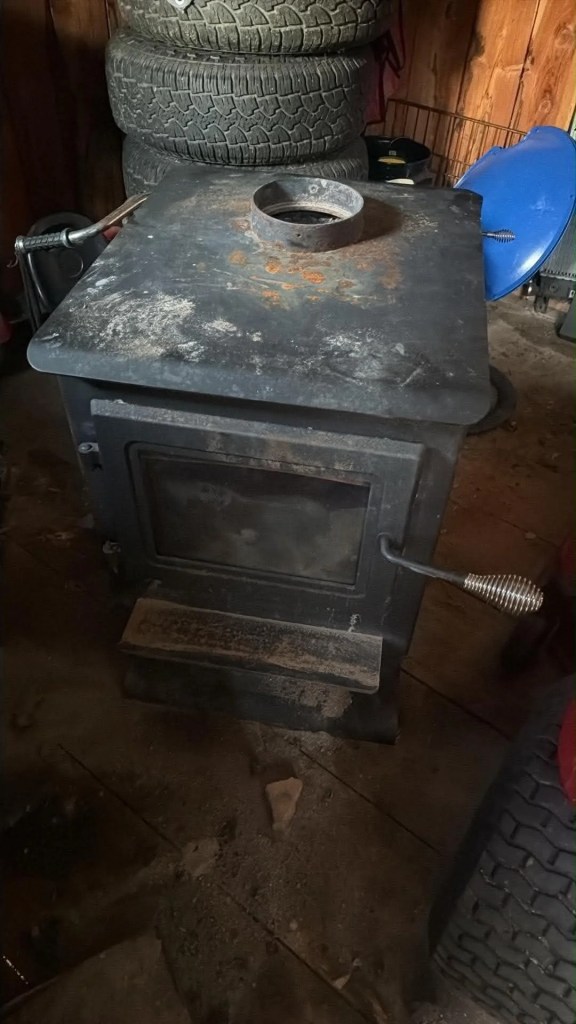
Posting in an r/firewood thread, the homeowner described a setup centered on a Grand Teton T 100 wood stove, with only "one small mounted gas stove in the bathroom" for backup.
"I have this much wood cut already," they added, alongside photos of their current stock. "First row is a full cord plan on having four to five rows plus ordered a triaxle load of wood already cut and split that is three cords that will be ash and beech and maple will I have enough wood."
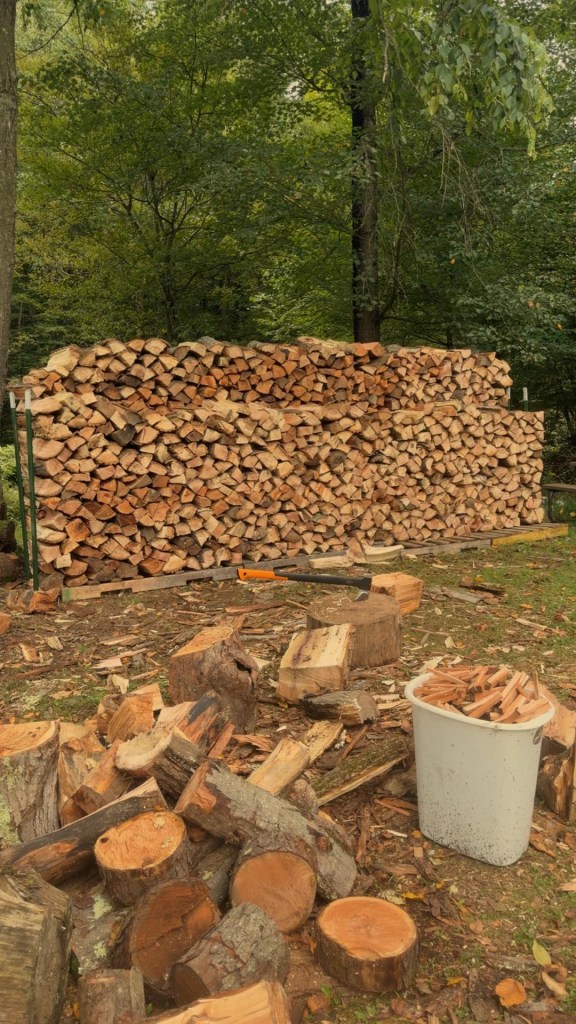
Replies focused less on whether the total pile sounded sufficient and more on whether the wood would be dry enough in time. As one commenter put it, "It will burn, just not well."
More background
The issue with green or wet firewood is that part of the burn is spent driving out moisture instead of heating the house. That can also mean more creosote accumulating in the chimney, which raises both cleaning demands and safety concerns.
TCD Picks » Quince Spotlight
💡These best-sellers from Quince deliver affordable, sustainable luxury for all




Commenters offered a rough benchmark for moisture content. One wrote, "Anything below 20% is acceptable, generally speaking. Much more than 20% and the fire spends lots of energy boiling off sap," while also warning that some hardwoods dry much more slowly than new burners expect, with "36 months" being ideal for certain species such as oak.
Another takeaway from the thread was that fuel is only part of the equation. Air movement inside the house came up as a major help, with one commenter saying a whole-house fan changed their setup dramatically: "I went from 85F living room and 50F bedrooms to mid 70's everywhere."
What can be done?
Several experienced burners said one of the best ways to avoid midwinter frustration is to stay at least a year ahead on cutting and splitting.
They also emphasized that pile size matters less than dryness. A big stack can still disappoint if it was split too recently, and having some truly seasoned wood available for fire-starting can make the early part of the season easier while improving stove performance.
Where can I learn more?
The articles below explore the same practical question of what it takes to keep a home warm without letting winter costs spiral. They also look beyond the woodpile, with examples that touch on backup heat, appliance costs, and stove choices that can shape day-to-day comfort.
• On 10 Connecticut acres, homesteaders skipped the boiler all winter while leaning on a wood stove.
• In many homes, electric ranges are typically cheaper than gas stoves over time.
• Hank Green issued an unscripted warning about sticking with gas lines and stoves.

Get TCD's free newsletters for easy tips, smart advice, and a chance to earn $5,000 toward home upgrades. To see more stories like this one, change your Google preferences here.






