


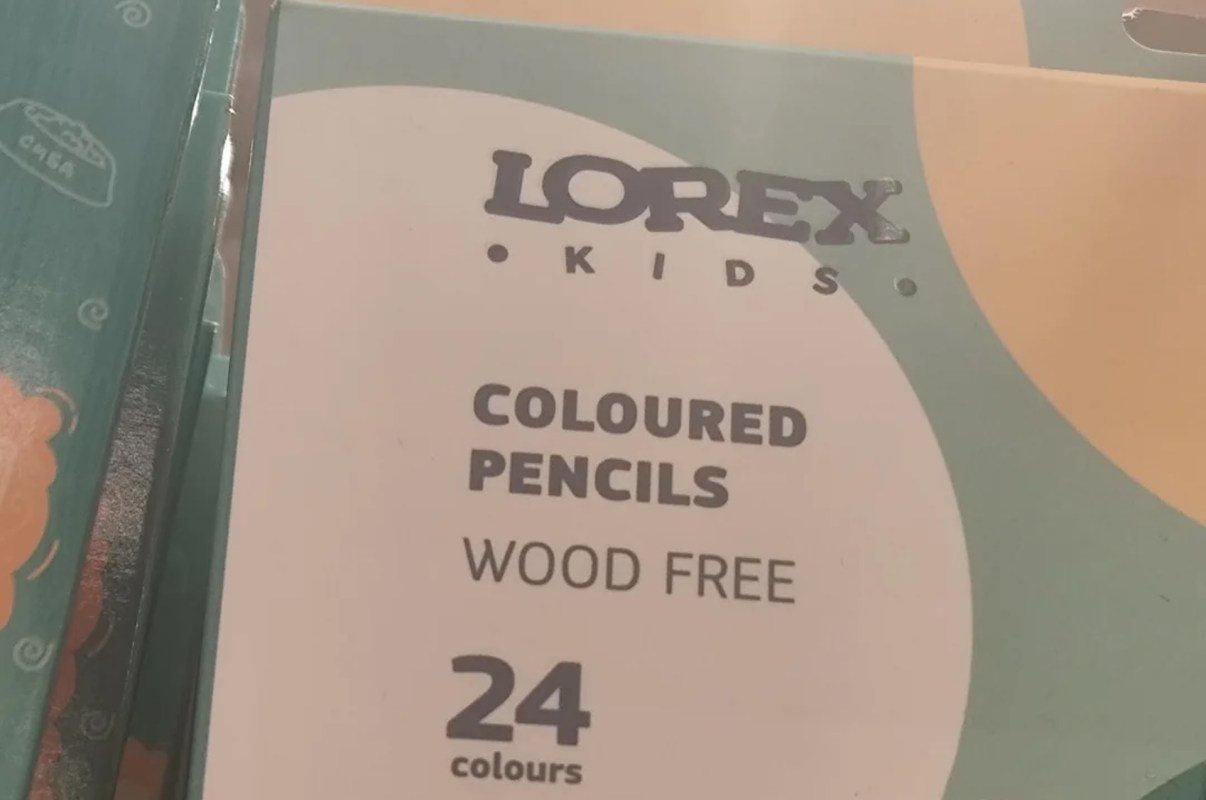
A pack of colored pencils marketed as "wood-free" set off debate over whether replacing wood with plastic can really be sold as an environmental benefit.
Here's what to know
The reaction unfolded in Reddit's r/Anticonsumption forum, where the original poster posted a photo of the pencils and wrote, "Its listed as a selling point too..."
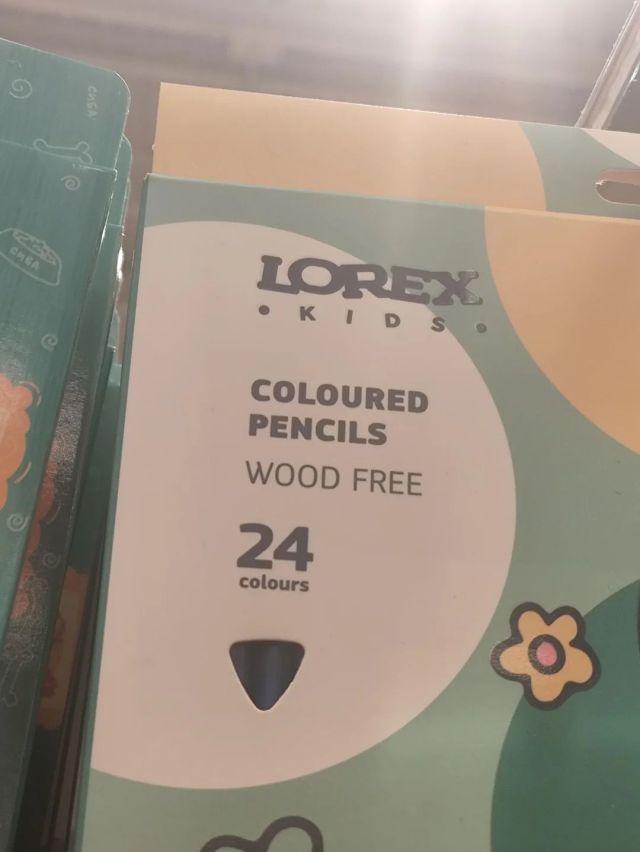
People in the comments objected to the apparent use of plastic and the way the product seemed to frame that choice as a positive for the environment.
One hopeful commenter asked whether the brand was using another eco-friendly resource, like pressed coconut shells, to replace the wood in the pencils. But the brand's website and commenters clarified that the pencils were made from high-impact polystyrene, a form of plastic.
The original commenter corrected their initial comment to say, "Wow, much eco. Looking into it morr, they claim its eco friendly because its not contributing to deforestation, while actively contributing to the plastic waste issue. Legitimately just a trade of one for the other."
Others pointed out that nonwood pencils can be made in other ways. "In my country we have wood-free pencils that are just the coloured core with the outside covered in a thin layer of nitrocellulose lacquer so it doesn't stain your fingers. The plastic was unnecessary," one commenter wrote.
TCD Picks » Quince Spotlight
💡These best-sellers from Quince deliver affordable, sustainable luxury for all




More background
Commenters described it as a form of greenwashing: products promoted as environmentally better for avoiding one issue while potentially worsening another.
In this case, commenters argued that using less wood in pencils does not automatically make a product better for the planet if it relies on more plastic instead. Plastic production is linked to pollution and long-lasting waste, so replacing a renewable material with a synthetic one can feel like a questionable tradeoff — especially for a small everyday item that many people expect to be relatively simple and low-impact.
There was also debate over what the pencils were actually made of. As one commenter asked, "Are you sure they aren't just the colored part?"
Possible alternatives came up in the discussion as well. One commenter pointed to lacquer-coated core pencils as a wood-free design that does not need an added plastic casing, while another suggested bamboo, writing, "I always thought with little things like colored pencils we should use bamboo. It grows super quick."
Where can I learn more?
These stories explore similar material tradeoffs and green marketing claims. They look at toothbrushes, pens, compostable plastics, Amazon packaging claims, and the limits of plastic recycling in the United States.
• Cheap pens help fuel a much bigger plastic problem than many shoppers realize.
• So-called compostable plastic doesn't break down the way many consumers expect at home.
• An investigation found Amazon's recyclable plastic packaging claims badly overstated what actually happens.

Get TCD's free newsletters for easy tips, smart advice, and a chance to earn $5,000 toward home upgrades. To see more stories like this one, change your Google preferences here.






