


Renters and homeowners on tight budgets have long struggled to access high-efficiency heating and cooling because the best options usually require expensive, permanent installation.
But that may be starting to change.
As The Conversation reported, window heat pumps are beginning to reach the U.S. market as a cheaper and more flexible alternative to traditional whole-home systems.
What's happening?
Because heating and cooling homes use about one-third of all U.S. energy each year, home climate control plays a major role in both household utility bills and pollution.
Standard heat pumps have become more popular because they move heat rather than generate it, making them far more efficient than many conventional systems.
Even so, most of these setups still require permanent installation by a contractor.
The installation bill alone can be a major hurdle. Putting in a conventional mini-split heat pump can cost around $10,000 before the equipment itself is even included.
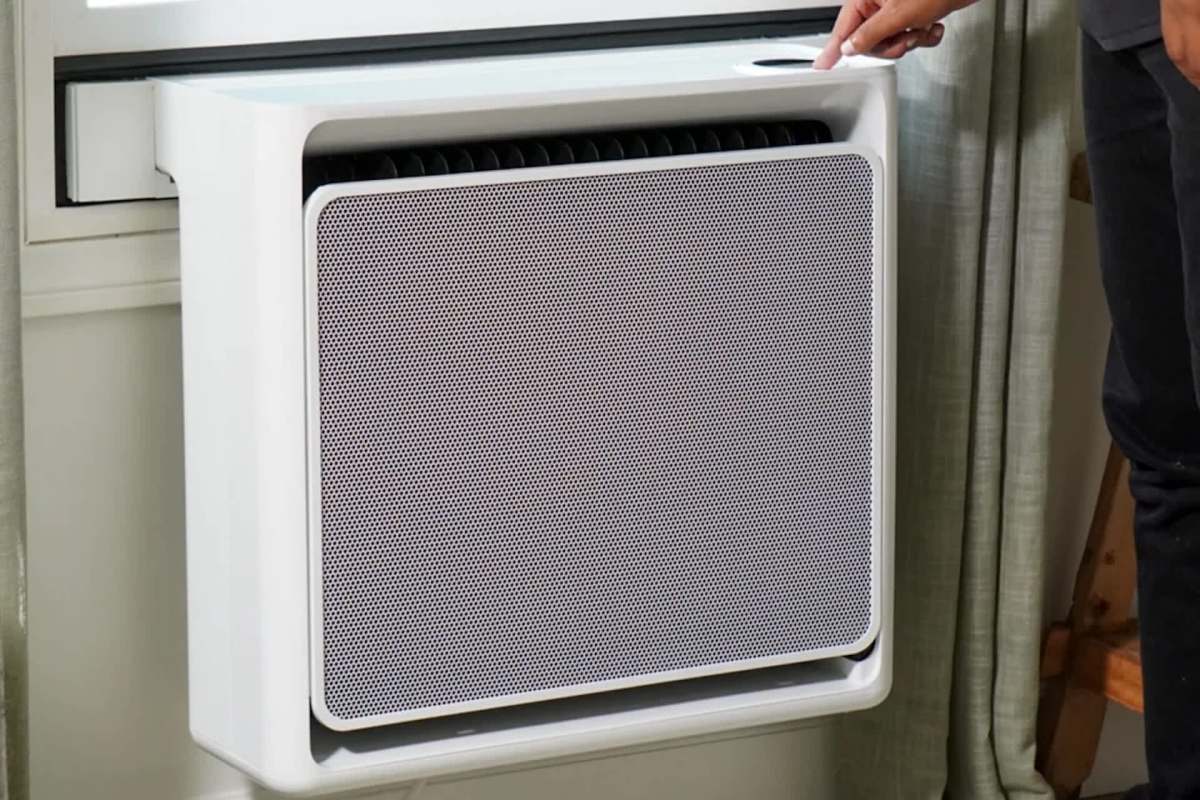
Window heat pumps change that setup by packaging everything into a single unit. They may not need professional installation, can plug into a standard outlet, and can be taken to a new home if a renter or homeowner moves.
Save $10,000 on solar panels without even sharing your phone number Want to go solar but not sure who to trust? EnergySage has your back with free and transparent quotes from fully vetted providers in your area. To get started, just answer a few questions about your home — no phone number required. Within a day or two, EnergySage will email you the best options for your needs, and their expert advisers can help you compare quotes and pick a winner. Solar panels can save you more than $50k over their 25-year lifespan, and EnergySage can help you save as much as $10k on installation. Which begs the question — isn't that worth an email or two? |

Their capabilities are more limited, however. Most models now for sale are meant to handle just one room, usually top out at around 9,000 BTU, and tend to lose heating performance in very cold weather.
Why does it matter?
This could be the first practical way to get the benefits of a heat pump without taking on a major renovation.
Heat pumps can provide both heating and cooling while using significantly less energy than traditional HVAC equipment and electric resistance heating — in some cases less than half the electricity.
That can mean utility savings over time, especially when paired with any available tax credits, rebates, or local incentives, and EnergySage's Heat Pump Marketplace can help shoppers compare options.
For people who do not need a whole-home setup, Merino offers single-room, ultra-efficient HVAC systems at a lower price point. It is a targeted heating and cooling option that can be installed in under an hour, which could appeal to renters, apartment dwellers, and owners of older homes.
Spending around $3,000 to $4,000 on a window heat pump is still a significant purchase, but it is much less overwhelming than paying for a permanently installed system that can come with five-figure installation costs.
For households currently relying on inefficient window AC units, baseboard heat, or space heaters, making the switch could lower monthly energy use while also improving comfort throughout the year.
What's being done?
The market is still in its early stages, but these smaller systems are helping open up a category that barely existed for U.S. renters until recently.
That simpler, portable setup could make a difference for people who cannot modify their buildings or who do not want to pay for equipment they would have to leave behind when they move.
There are still tradeoffs to consider. Window heat pumps deliver less heat and run less efficiently as outdoor temperatures fall, and although federal subsidies for this equipment ended in 2025, some utilities, states, and local governments may still offer rebates to reduce upfront costs.
Homeowners thinking beyond heating and cooling can also look at solar as another way to cut power bills. EnergySage offers a free solar quotes comparison tool, and with EnergySage's help, the average person can get nearly $10,000 in incentives for solar purchases and installations.
For shoppers focused specifically on heat pump options, EnergySage's Heat Pump Marketplace is another place to compare products and costs.
Window heat pumps will not solve every heating and cooling challenge, especially in larger homes or in the coldest climates. But for renters and budget-conscious households, they could help turn what has long been an expensive home energy upgrade into something much more realistic.

Get TCD's free newsletters for easy tips, smart advice, and a chance to earn $5,000 toward home upgrades. To see more stories like this one, change your Google preferences here.






