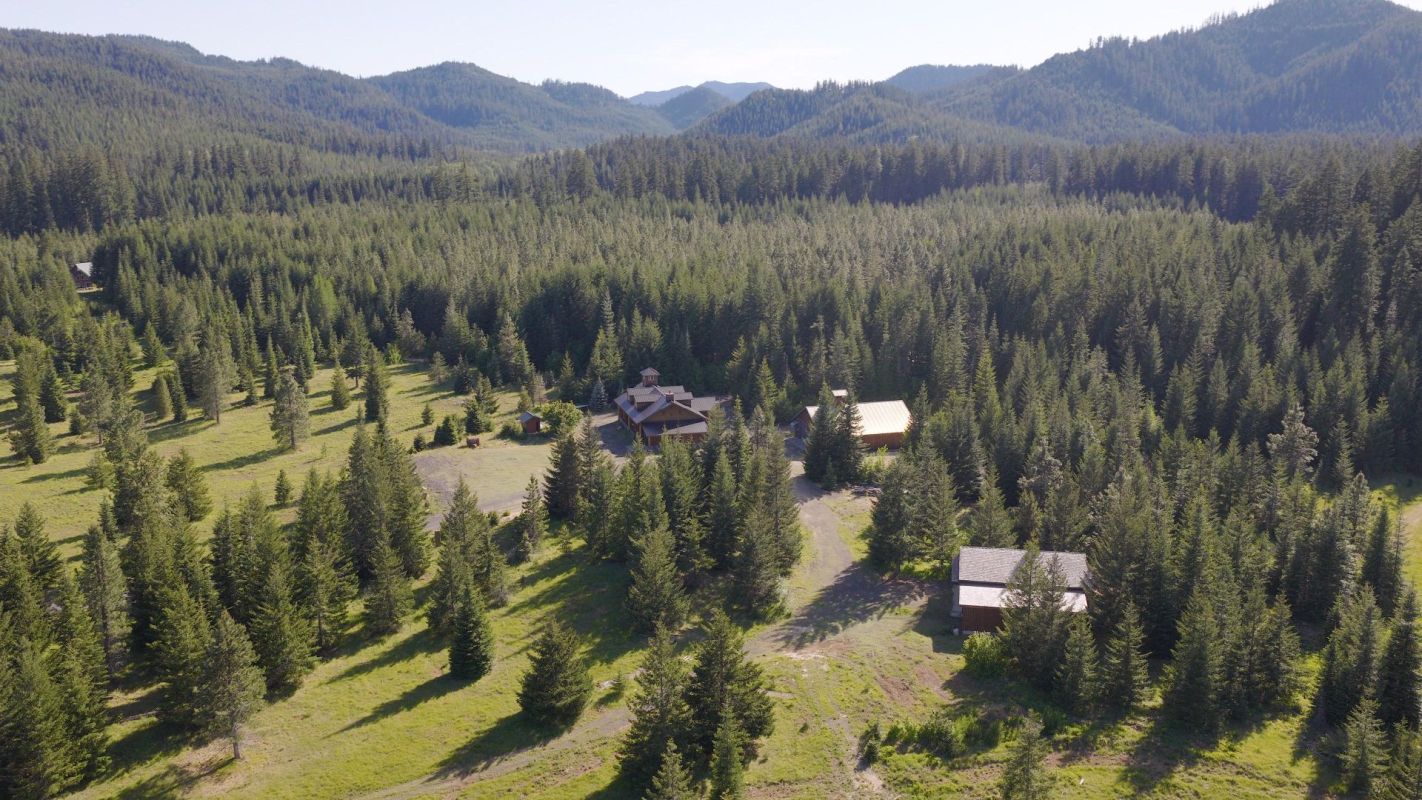
A Washington homeowner on a remote off-grid property surrounded by National Forest turned to Reddit to ask which wildfire precautions would make the biggest immediate difference.
Their post was a reminder that off-grid living can offer greater independence and lower utility bills, while also carrying serious risks that are easy to underestimate.
Here's what to know
The question, posted on Reddit's r/OffGrid, came from someone who had moved onto a Washington property bordering National Forest land.
After nearby recent electrical storms, they were looking for the "easiest, most cost-effective things that actually make a meaningful difference right away."
They were already considering common first steps such as staging water, hoses, pumps, sprinklers, and extinguishers, clearing vegetation and debris near structures, and pruning trees while removing ladder fuels.
But commenters with firsthand wildfire experience quickly steered the discussion in a more sobering direction.
TCD Picks » Quince Spotlight
💡These best-sellers from Quince deliver affordable, sustainable luxury for all




The bluntest warning came from a commenter in Northern California who said two major fires had already burned through their off-grid property. They recommended defensible space and good insurance, but also had sobering advice for the original poster.
"Take the recommended precautions, but if a big fire gets going, leave if you value your life," they wrote.
Another commenter described the kind of preparation that begins long before smoke or flames are visible, recalling a brush with a major wildfire.
"This time of year we still keep the livestock trailer hitched to the truck, the cat carriers prepped and waiting, and a go bag with essential documents and medications and changes of clothes," they said.
More background
A recurring point in the replies was that trying to address every part of a large property is not usually the highest-value approach.
Commenters said the most effective early work is often the area nearest the home, outbuildings, fuel sources, and access roads — where targeted changes can reduce ignition risk and make escape easier.
Others warned against placing too much confidence in pumps or hoses and underestimating natural forces.
"People don't understand the issue isn't the fire. It is the 30 - 60 mph winds making the fire spread everywhere, forcing embers into little vents in the side of your roof & house."
There was nuance in the discussion as well.
While some people argued for aggressive tree removal near structures, another commenter cautioned: "Clearing old growth or large living trees is not helpful. They're fire resistant."
What can be done?
The discussion centered around three immediate priorities.
The first was hardening the area closest to buildings: removing flammable debris, trimming lower branches, addressing ladder fuels, and paying special attention to cabins, shops, propane areas, generators, solar equipment, and driveways.
The second was making sure water and emergency equipment are actually usable during an outage.
Off-grid residents may already have tanks, pumps, or hoses, but those systems need to be ready under real fire conditions — and commenters made clear they should be viewed as limited tools, not guarantees.
The third was evacuation planning. That included go bags, document storage, pet carriers, trailers for livestock, and a route out before smoke and panic set in.
Insurance came up repeatedly as well, since even strong preparation may not be enough to stop a fast-moving blaze.
One commenter summed up the thread's central message in a single line: "You can't fight a fire driven by a 30+ mile per hour wind, you can only get out."
Where can I learn more?
The wildfire thread highlighted something longtime off-gridders know well: preparation starts well before an emergency.
These articles expand on that focus, from understanding what a property can and can't handle to sorting out the everyday systems that affect how ready a remote home really is.
• A homeowner warned that a real-world understanding of land and systems matters before going off-grid.
• Off-grid homeowners said ties with utility companies brought daily challenges that newcomers often overlook.
• One homeowner found a lot to learn when sizing solar panels for an off-grid property.
They echo the main takeaway from the wildfire thread: getting prepared early matters, and going in with the wrong expectations can get expensive fast.
For anyone moving onto remote land, that kind of realism can matter just as much as the gear on hand.

Get TCD's free newsletters for easy tips, smart advice, and a chance to earn $5,000 toward home upgrades. To see more stories like this one, change your Google preferences here.