


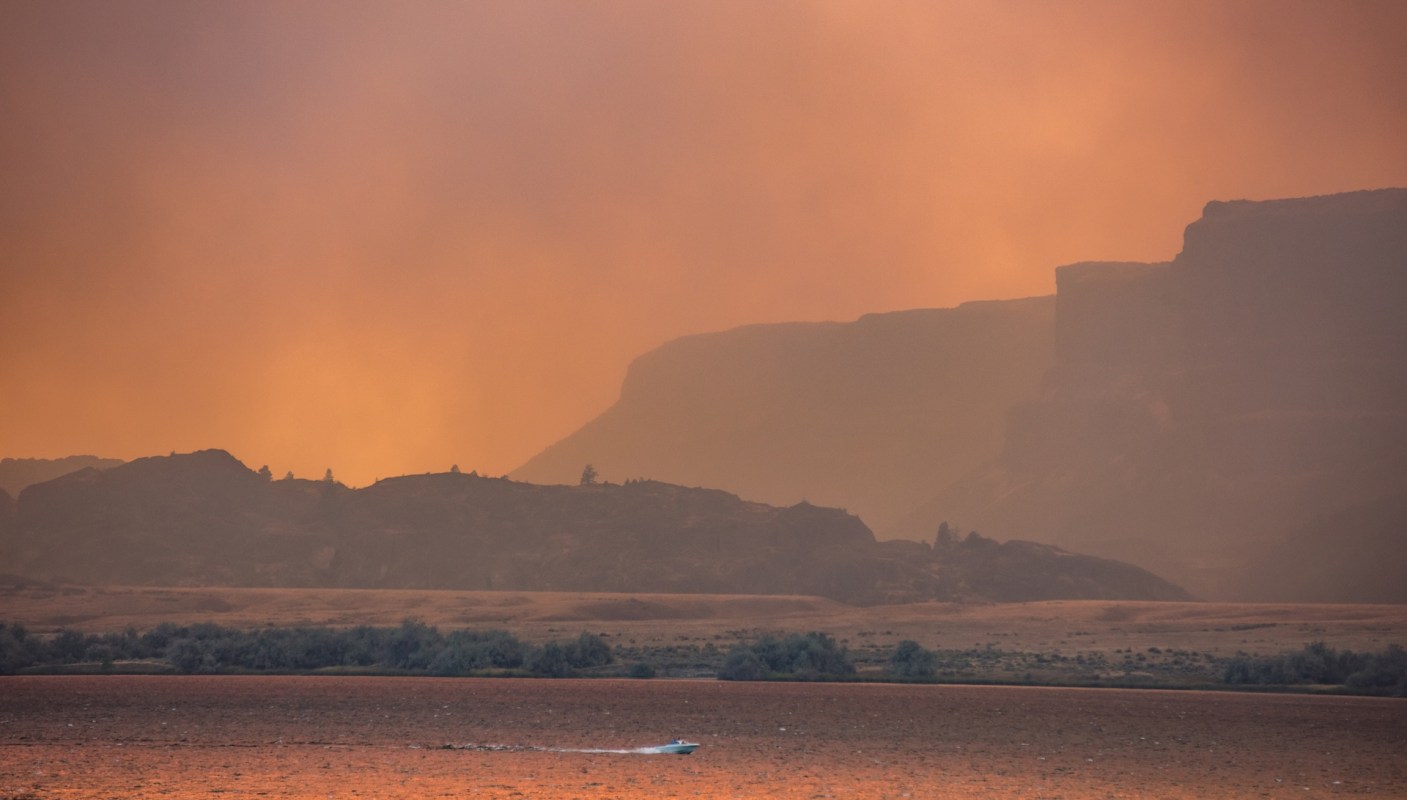
After a wildfire left their Washington home standing, a homeowner was left wondering whether it makes sense to file an insurance claim over five burned trees and possible smoke contamination when doing so could mean higher premiums or even nonrenewal.
The homeowner summed up the dilemma in one line, writing that filing a claim "feels like a game of roulette."
Here's what to know
In a post on Reddit, the resident said the house had survived the fire. They told the r/Insurance subreddit they believed their policy provided a three-year claims-related window. They were undecided on timing because the remaining issues were five burned trees and potential smoke damage inside, and they were considering whether to wait to see if the trees recover.
Smoke was part of the uncertainty, though the homeowner said neither they nor several visitors had noticed any odor indoors. They added that neighboring homeowners had insurers check for contamination by swabbing insulation, walls, and belongings, with some neighbors reportedly receiving around $20,000 for smoke damage along with limited help for tree removal.
Replies said the fine print of the policy could determine whether filing makes sense. One commenter wrote that many homeowners policies limit tree and shrub coverage to around $1,000 and said even a relatively small fire-related claim can be enough for an insurer to decide not to renew coverage.
More background
The poster was not dealing with a destroyed property. They said they were still living in the home after 11 years with no prior claims and were mostly worried they might need a crane to remove 80- to 90-foot trees before they fall onto the house or a neighbor's property.
TCD Picks » Quince Spotlight
💡These best-sellers from Quince deliver affordable, sustainable luxury for all




That puts the case in a different category from a homeowner trying to rebuild after a catastrophic fire. As one commenter put it, "Your policy is to protect the dwelling, not cut down trees." Framed that way, the biggest bill a homeowner faces after real wildfire damage may still be for something the policy does not cover especially well.
Possible smoke contamination was a murkier issue. The homeowner said the windows had been closed and the HVAC shut off before evacuation, which could be relevant if testing happens later, but commenters were doubtful about smoke damage that cannot be smelled.
"The infamous toxic smoke damage that you cannot smell," a commenter wrote.
What can be done?
One commenter said they have run Claim Concepts, a public insurance adjusting firm, since 2006. Their main warning was not to treat the three-year period as automatic extra time to report damage, arguing that it is "typically the deadline to take legal action, not to report a loss."
They added that homeowners usually must give notice promptly after discovering damage, and that a delay can make a later claim harder to substantiate. They also advised reviewing the full policy, not just the declarations page.
The same commenter singled out tree coverage as the place to look closely, starting with any sublimit. They also said to check the policy for an exception involving trees damaged by fire or lightning. For the possible smoke issue, they recommended hiring an industrial hygienist to inspect the home and collect samples.
"Whether and when to file is ultimately your call, but don't let a spring wait cost you the claim," they concluded.
Where can I learn more?
For homeowners dealing with the fallout from extreme weather, there are plenty of examples of how insurance companies might fall short afterward.
• After major wildfires, some homeowners said insurance companies failed to deliver on smoke-damage claims.
• After a hurricane, one homeowner said an $8,000 payout barely touched a $300,000 policy.
• In California, a major insurer stopped offering coverage to new homeowners in risky areas.

Get TCD's free newsletters for easy tips, smart advice, and a chance to earn $5,000 toward home upgrades. To see more stories like this one, change your Google preferences here.






