A whole-house generator setup can be a money-saving lifeline during a blackout, especially if it keeps central air running instead of forcing a family into a hotel.
But one homeowner's follow-up post shows that the add-on that makes that possible can also become a weak link.
Here's what to know
In a Reddit update, the poster said the backup arrangement had already passed an important test: the natural-gas-fueled Westinghouse iGen12000TFc could start and run the home's 3.5-ton Carrier central A/C.
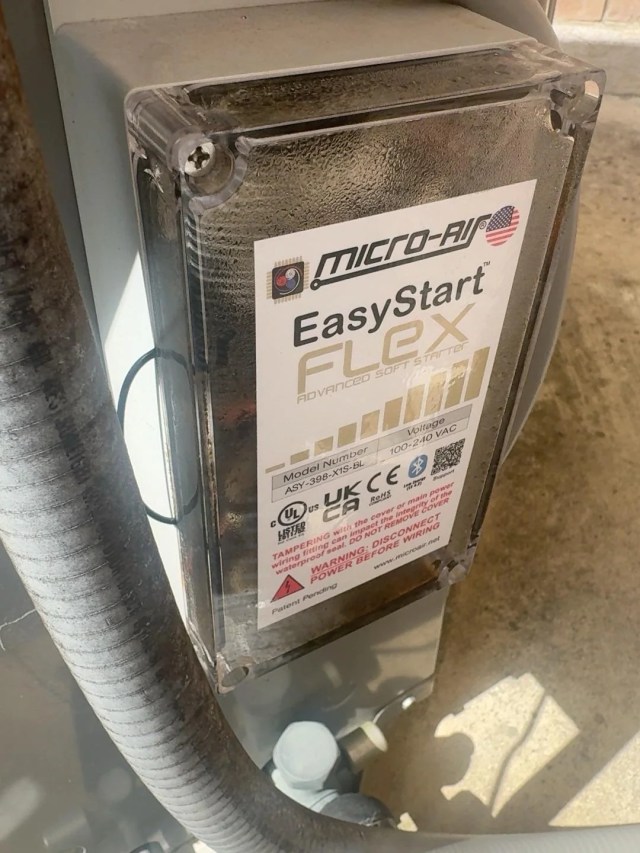
The problem showed up later under ordinary utility service rather than while the generator was carrying the load.
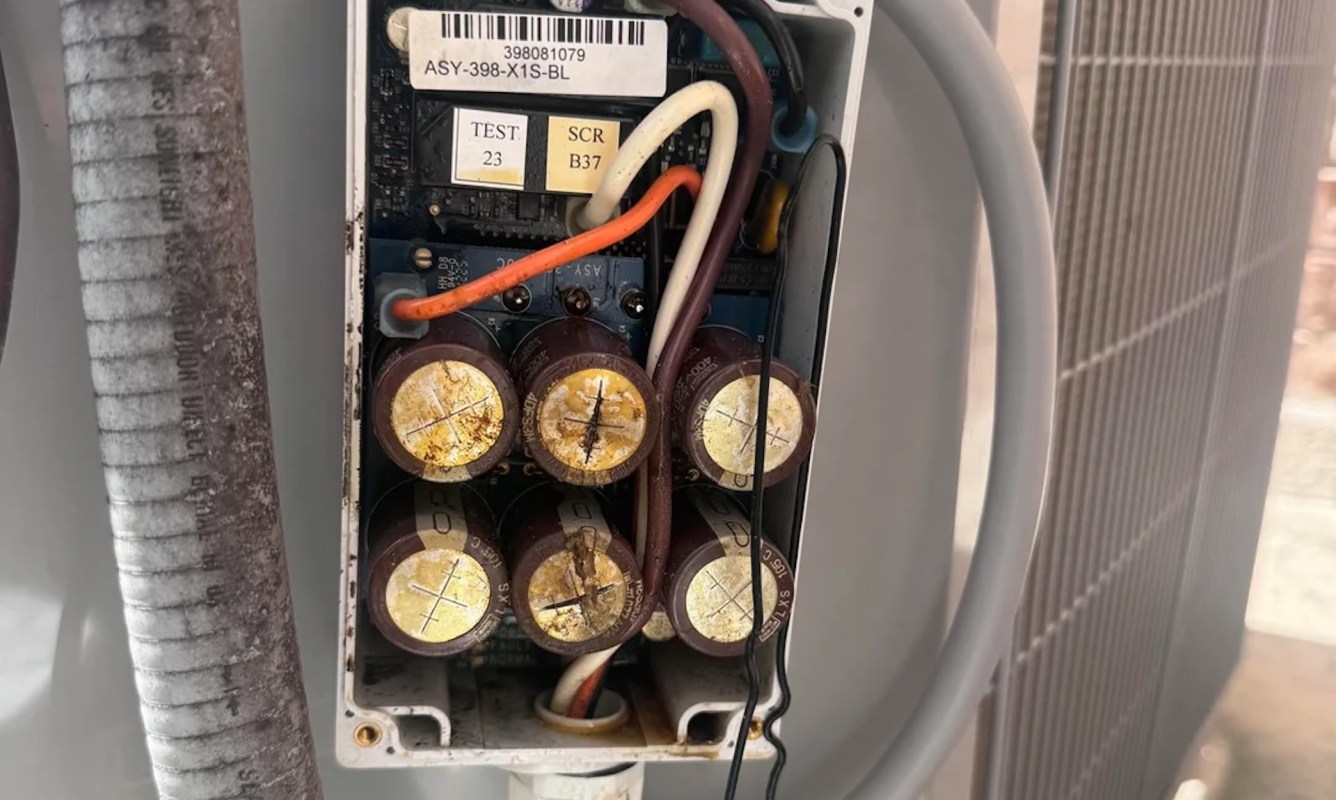
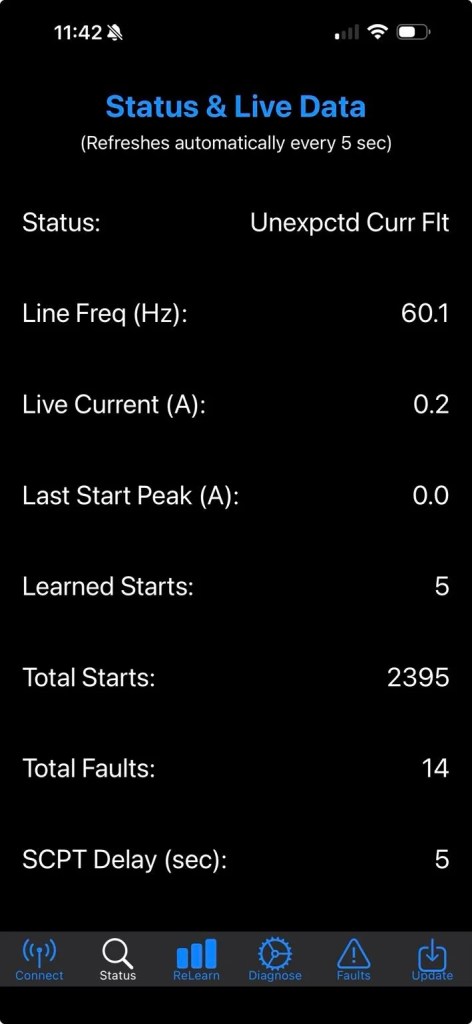
The homeowner said the EasyStart app logged an "Unexpected Curr Flt." after 2,395 starts. When an HVAC technician inspected the system, the condenser's 45/5 run capacitor had failed, and the moisture-looking residue inside the EasyStart case turned out to be "oil that had leaked/sprayed throughout the inside of the EasyStart."
To get the cooling system working again, the technician removed the soft starter from the circuit, installed a new run capacitor, and returned the air conditioner to normal operation. The homeowner also said a replacement soft starter is still part of the plan for generator use and that Micro-Air has been contacted about warranty support.
TCD Picks » Quince Spotlight
💡These best-sellers from Quince deliver affordable, sustainable luxury for all




More background
Soft starters are meant to reduce the high inrush current an air conditioner draws when it starts up. That can make backup systems more practical and more affordable, since some homeowners may be able to use a smaller generator than they otherwise would.
Here, that combination mattered because the equipment list — generator, inlet, interlock, natural-gas hookup, and soft starter — was what allowed the house to stay powered and the A/C to keep running during a blackout.
One commenter wrote, "Everybody should be skipping these guys and going straight to AirGo or Hyper Engineering by this point. These things have been blowing up since day one."
Another commenter said, "It's been rock solid for over three years now running on both grid power and my backup generator."
What can be done?
The thread points to a few practical steps.
First, have a qualified HVAC technician install and check any soft starter, especially if the goal is to run central A/C from a generator.
Second, test the full system before you need it. A successful trial run can confirm whether the generator can start the air conditioner and whether the soft starter is operating normally.
Third, watch for warning signs such as reduced cooling, app fault messages, or repeated startup issues. Catching a failing component early could help prevent a bigger repair bill or the loss of cooling during extreme heat.
Finally, build some redundancy into the plan. If a soft start is essential to an outage setup, it may be worth understanding whether the A/C can run without it, keeping service records accessible, and saving documentation for warranty claims.
Where can I learn more?
These articles cover backup batteries, AC add-ons, and airflow mistakes.
• Homeowners are turning to solar-charged backup batteries as cleaner alternatives to aging generators.
• Pila Energy is pitching seamless home batteries that keep essentials running through outages.
• In Florida, HVAC pros are urging homeowners to avoid viral AC saver gadgets.
• HVAC specialists warn that closing supply vents can strain equipment and raise bills.

Get TCD's free newsletters for easy tips, smart advice, and a chance to earn $5,000 toward home upgrades. To see more stories like this one, change your Google preferences here.