


If your home feels sticky and uncomfortable in the summer, the issue may be too much humidity in the air rather than a thermostat that is set too high.
One HVAC expert said reducing indoor humidity can make a house feel cooler and may also lessen how hard the cooling system has to work.
Here's what to know
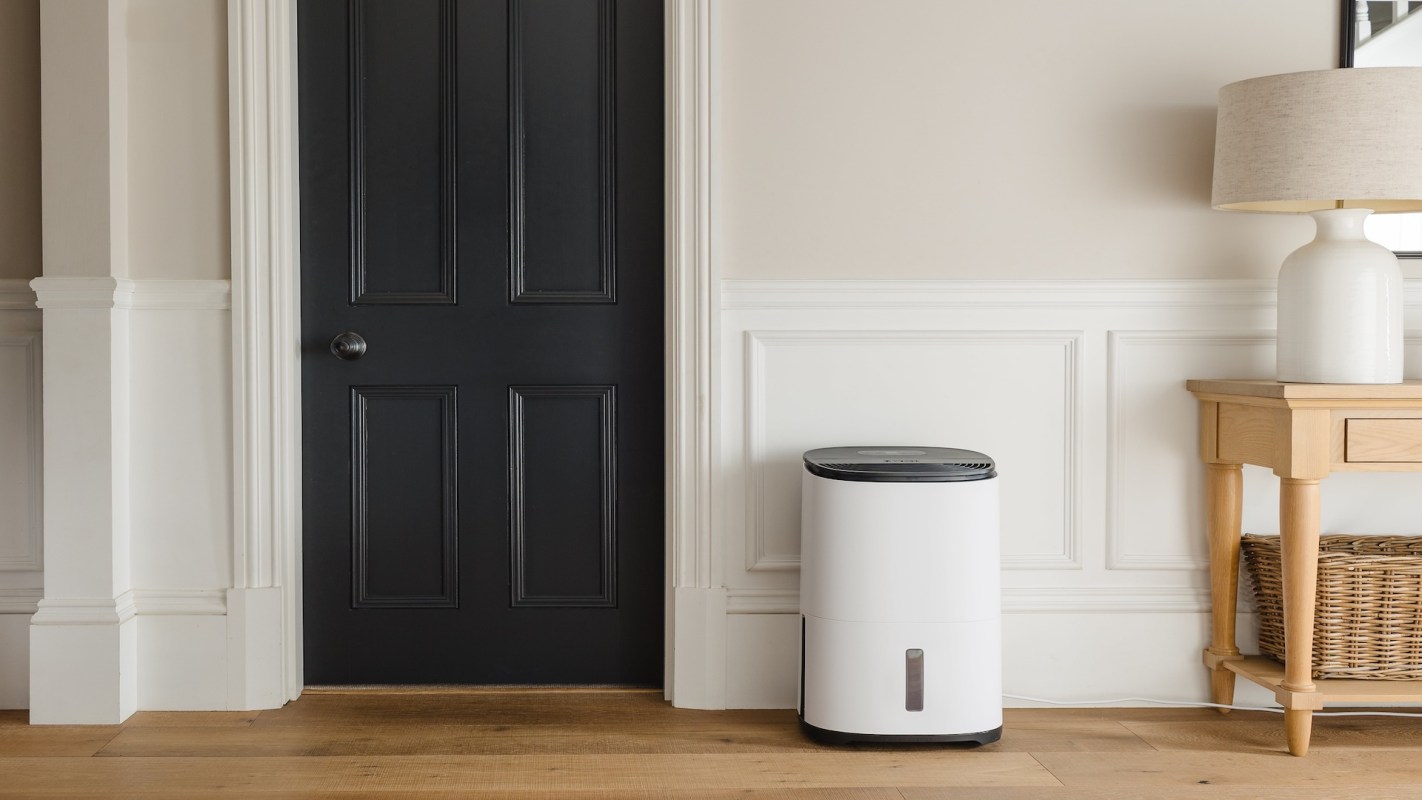
Elizabeth Shavers, general HVAC and plumbing manager at Oncourse Home Solutions, said that on hot, muggy days, a dehumidifier can make indoor spaces feel cooler by pulling extra moisture out of the air.
According to The Spruce, Shavers said humidity affects how the body experiences heat: "This will allow your body to feel cooler, even with a higher thermostat setting."
That change in comfort could also trim utility bills. When people are comfortable at a slightly warmer setting, the AC doesn't have to cycle as long or as often, which can lower energy costs and reduce strain on the equipment.
She said a dehumidifier works best when paired with an HVAC system instead of being used on its own. A whole-home model connects to the ductwork, so it can improve comfort throughout the house rather than just one room.
TCD Picks » Quince Spotlight
💡These best-sellers from Quince deliver affordable, sustainable luxury for all




More background
This can be particularly helpful in humid climates, where a home may still feel heavy or clammy even after the thermostat has been turned down. In that case, lowering the temperature further can raise the power bill without fully fixing the discomfort.
A whole-home dehumidifier can also cut down on mold and mildew.
With less humidity forcing the system to work harder, the equipment may see less wear over time, and households can avoid some of the costs tied to musty rooms and overburdened cooling systems.
What can be done?
Homeowners can also help an AC system run more efficiently without adding new equipment. Shavers recommends keeping the thermostat steady, since setting it much lower won't cool the house faster and only keeps the AC running longer.
She also recommends using a programmable thermostat, drawing blinds and curtains during the day, and waiting until later to run heat-generating appliances such as the oven, dishwasher, or dryer.
Homeowners can further support airflow by cracking windows after sunset once temperatures drop, leaving interior doors open during the day, and checking that vents aren't blocked by rugs or furniture.
Changing the filter regularly can prevent restricted airflow and extra strain on the system. Keeping plants, leaves, and other debris away from the outdoor unit also helps air circulate around it properly.

Get TCD's free newsletters for easy tips, smart advice, and a chance to earn $5,000 toward home upgrades. To see more stories like this one, change your Google preferences here.






