


A backup generator that powered through the last hurricane is now refusing to stay on after about a year in storage — a frustrating problem for any homeowner heading into peak storm season.
The symptoms may point to a fixable fuel-delivery issue, potentially sparing the owner an expensive, last-minute repair or replacement.
What happened?
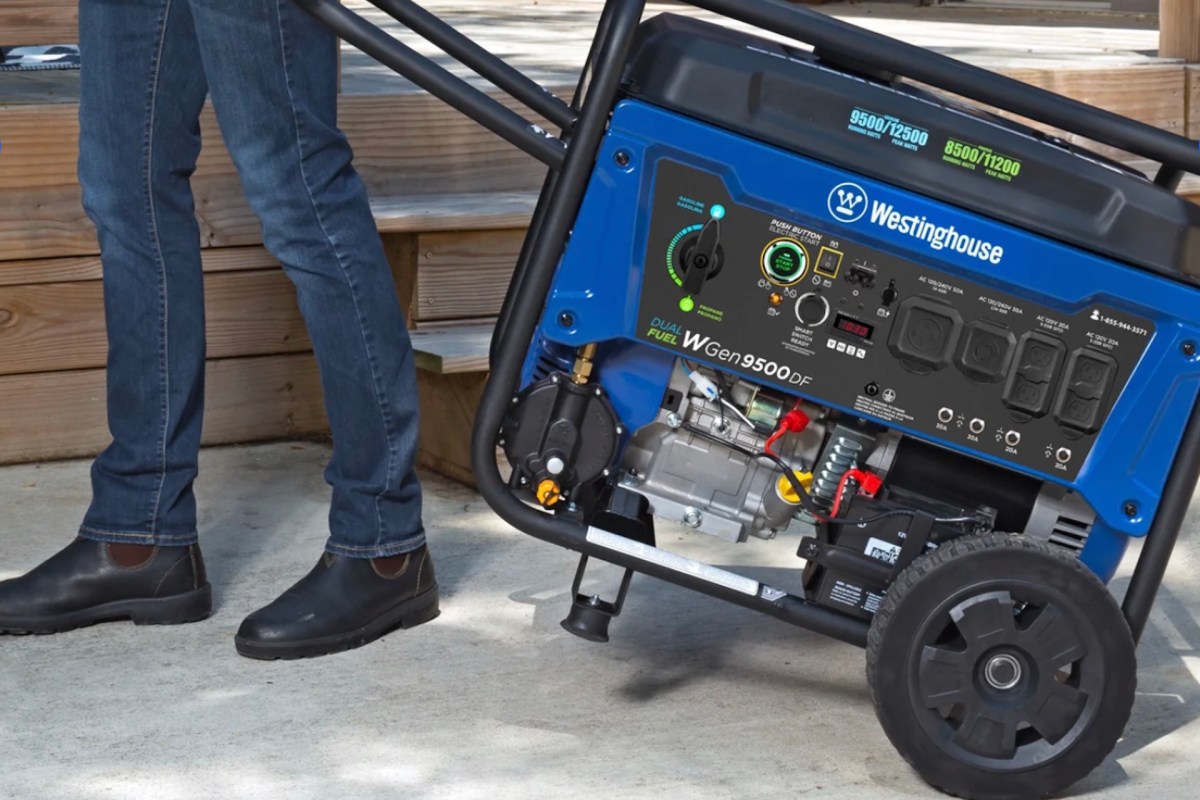
According to the Reddit post, the owner left a Westinghouse 12500 dual fuel generator unused for roughly a year after shutting off the fuel valve and running the carburetor dry. They said the unit had last performed flawlessly on gasoline during the previous hurricane.
Ahead of this season, the owner said they worked through a long checklist: the weak battery was charged overnight, both electric and pull starts were attempted, the carburetor was cleaned, old fuel was drained and replaced with fresh gasoline plus fuel stabilizer, propane was tried, and the low-oil sensor was disconnected.
Still, the generator would only briefly come to life. "The only time I can get it to fire is if I spray starting fluid into the intake. It'll run for a few seconds on the starting fluid, then immediately die."
Why does it matter?
For households that rely on portable generators during outages, this is more than a mechanical inconvenience. A generator that will not run as a storm approaches can leave families without refrigeration, lighting, phone charging, or power for medical devices and other essentials.
TCD Picks » Quince Spotlight
💡These best-sellers from Quince deliver affordable, sustainable luxury for all




Systematic troubleshooting is often far cheaper than panic-buying a replacement. Catching a small issue — such as a stuck fuel shutoff component, faulty regulator behavior, or a blocked fuel path — could help someone avoid a service call or a generator purchase.
Storm-season preparation often focuses on fuel, batteries, and extension cords, but long-idled equipment can still fail even after careful storage. Preseason testing can help prevent costly surprises.
What can I do?
If a stored generator fires on starting fluid and then dies, inspect everything involved in fuel delivery before the next emergency. Commenters were quick to point out that the issue was likely clogged fuel jets, so running some cleaner through the injection system would likely help solve the problem.
Others suggested replacing the carburetor, and strongly recommended running generator every few months to avoid this situation from happening again.
The best preventive step is to test generators well before severe weather arrives. Run them periodically, use fresh fuel, keep batteries charged, and verify operation on every fuel type the machine supports. A short test can reveal problems while there is still time to order parts or schedule service.

Get TCD's free newsletters for easy tips, smart advice, and a chance to earn $5,000 toward home upgrades. To see more stories like this one, change your Google preferences here.






