


Keeping well water flowing during a power outage can take more planning than finding an affordable generator, as one rural homeowner discovered after asking for advice online.
Commenters explained that a pump's startup power demand can reach double or triple its running draw, so it's crucial to check the equipment's specifications before buying a backup power source.
Here's what to know
In a Reddit thread, the poster revealed they had Costco and Sam's Club memberships and hoped to keep costs low for a budget generator.
In a post to the r/preppers community, the homeowner asked what to buy for backup electricity, giving priority to the well pump and hoping to power a refrigerator and freezer if possible. Air conditioning was not among their priorities.
"We otherwise could survive with a wood fireplace and cooking things over a fire if worst came to worst," the original poster added.
One commenter suggested that the person who services the well or pump could help supply the necessary electrical specifications. Commenters said the generator choice should depend on the pump's voltage, running current, and startup demand.
TCD Picks » Quince Spotlight
💡These best-sellers from Quince deliver affordable, sustainable luxury for all




Another wrote: "Remember that when your pump or fridge starts up, there will be an initial power draw that could be two or three times the actual running watts."
More background
Oil and maintenance needs belonged on the comparison checklist alongside fuel runtime, the same commenter advised. That meant checking how long a prospective generator could operate before needing more gasoline or propane.
A large storage tank offered a way to avoid continually burning fuel to maintain water pressure. One commenter suggested shutting down the generator once the well pump had filled the tank.
"Those two WILL NEVER BE ON AT THE SAME TIME," they emphasized.
What can be done?
Adding a refrigerator or freezer to the backup system means accounting for those appliances' startup demands, too.
One commenter suggested considering a generator compatible with both gasoline and propane for greater flexibility. Others favored inverter generators, with one noting that they can adjust engine speed to match the load, potentially addressing the homeowner's concerns about fuel use.
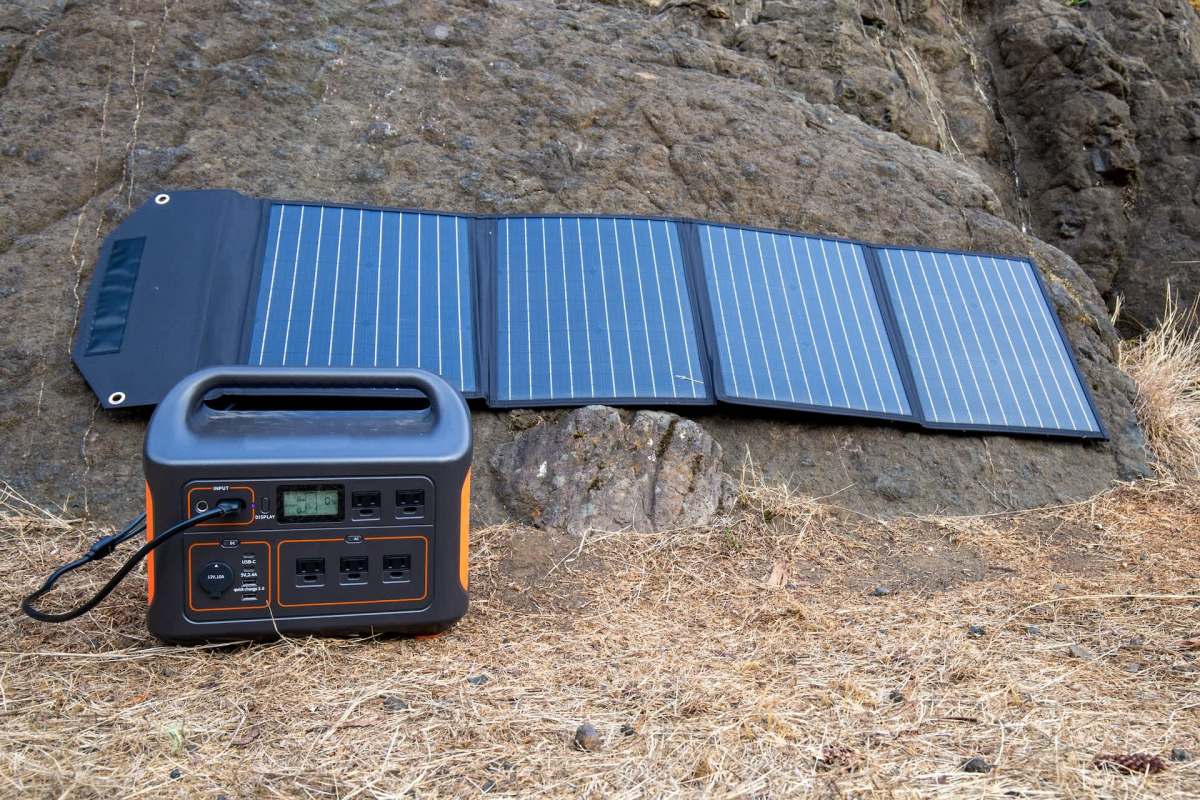
Solar panels could be added immediately or later under another commenter's proposal. The suggested setup paired a portable battery power station with a small generator that could recharge it as needed. When solar panels could not recharge the batteries, the OP could rely on generator power.
First things first, though. They would have to know how much power they needed.
"You're just shooting in the dark without that," a user pointed out.
Where can I learn more?
Other homeowners planning to keep well pumps and essential appliances running during outages have wrestled with similar sizing decisions.
• A homeowner seeking well-water backup found out that a transfer switch was the starting point.
• A weekend homeowner considering a solar well pump heard advice favoring smaller equipment and storage.
• A homeowner considering a 9,600-watt generator heeded warnings that fuel consumption could complicate outage planning.
• An all-electric homeowner considering a larger backup generator learned why smaller equipment might run longer.

Get TCD's free newsletters for easy tips, smart advice, and a chance to earn $5,000 toward home upgrades. To see more stories like this one, change your Google preferences here.






