


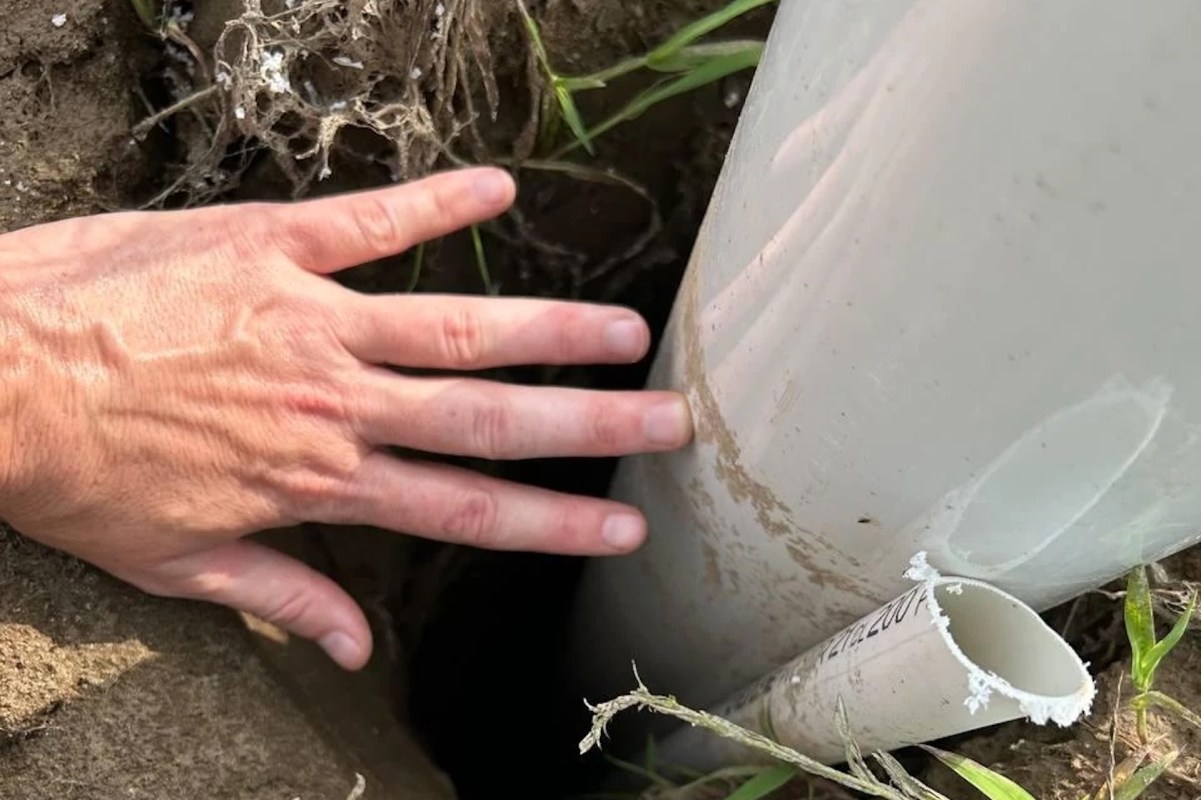
A concerned homeowner turned to Reddit for advice after a contractor hired to dig a new well left a water pipe moving loosely inside what was supposed to be a 125-foot-deep hole.
What happened?
In a post on Reddit's r/homestead forum, the original poster included images of the new well and wrote, "This doesn't look cool. It's for my crops. Is it supposed to wiggle? I can basically move it back and forth."
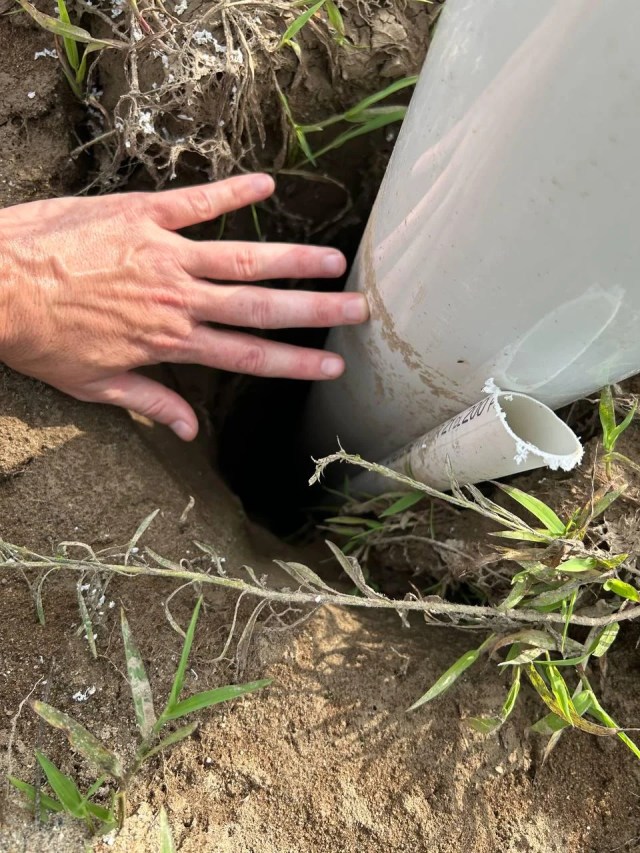
Commenters said a visible wobble did not sound normal for a newly installed well, especially one meant to support irrigation.
One commenter wrote that "in Texas a water well driller must be licensed and there are strict protocols about how it's to be done."
They also said the owner should look into both the driller's credentials and any official filing for the well, adding that those requirements exist in part "to also protect the groundwater from surface contamination."
Why does it matter?
A loose well casing is more than an eyesore. If a new well shifts that easily, it can raise serious questions about whether the installation was done properly and whether the water source will hold up under regular use.
TCD Picks » Quince Spotlight
💡These best-sellers from Quince deliver affordable, sustainable luxury for all




Catching that kind of issue early could bring a major financial benefit. Challenging questionable work before paying a contractor can help someone avoid spending even more on repairs, replacement work, or even a second drilling job if the first one fails.
There is also a health and environmental concern. As the commenter noted, well-drilling rules are intended to protect local groundwater from contamination, meaning a poor installation could affect more than one property if the problem is severe enough.
What can I do?
If you notice something similar with a new well, the first step is to document everything. Take photos and video of the movement, keep copies of invoices and messages, and note when the work was completed.
Users also suggested checking the regulatory side of the job: review your state's well rules, confirm the driller is licensed, and see whether the well shows up in any public database that tracks that kind of work.
As one commenter advised, "The first thing I'd do is find out what board regulates it in your state."
That same commenter suggested escalating if the driller does not respond: "Then I'd contact the driller, ask for a license. If he's non communicative I'd put a stop payment on the check and then report him to the state board."

Get TCD's free newsletters for easy tips, smart advice, and a chance to earn $5,000 toward home upgrades. To see more stories like this one, change your Google preferences here.






