


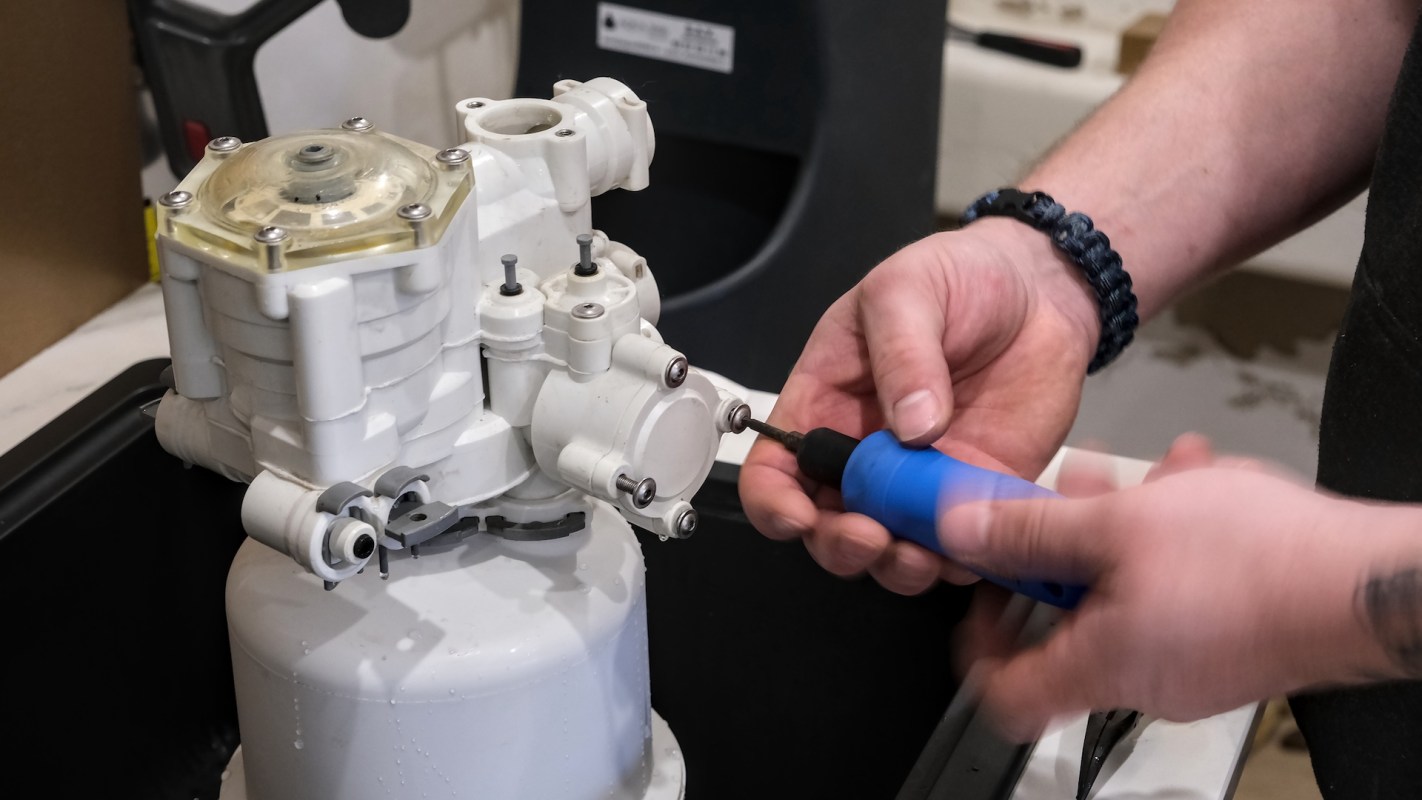
A new-construction homeowner is facing an expensive-sounding dilemma: protect brand-new plumbing from very hard water now, or keep a four-year warranty intact. The question is resonating because it gets at a common homeownership tradeoff between prevention and protection.
What's happening?
A homeowner described the situation in a Reddit post, writing, "I recently bought a new construction home in an area with extremely hard water (about 15.2 GPG)."
"We're considering installing a whole-house water softener, but the builder told us that doing so would void the plumbing warranty because it modifies or affects the home's plumbing system. The plumbing warranty is 4 years."
That means choosing between installing a softener now to curb mineral buildup while giving up the warranty, or preserving the warranty by waiting four years and accepting the risk of hard-water wear in the meantime.
Water in the 15.2-gpg range would generally be classified as very hard. Over time, that mineral content can build up as scale in household plumbing and equipment, including pipes, water heaters, showerheads, dishwashers, and washing machines.
Why does it matter?
Hard water is not usually framed as an emergency, but it can quietly turn into an expensive one.
Scale buildup can force a water heater to work harder, reduce appliance efficiency, shorten the lifespan of fixtures, and increase maintenance needs.
That can mean higher energy bills, more frequent repairs, and earlier replacement costs. Waiting to protect the plumbing could preserve a warranty on paper while still allowing wear and tear to build up in the background.
Save $10,000 on solar panels without even sharing your phone number Want to go solar but not sure who to trust? EnergySage has your back with free and transparent quotes from fully vetted providers in your area. To get started, just answer a few questions about your home — no phone number required. Within a day or two, EnergySage will email you the best options for your needs, and their expert advisers can help you compare quotes and pick a winner. Solar panels can save you more than $50k over their 25-year lifespan, and EnergySage can help you save as much as $10k on installation. Which begs the question — isn't that worth an email or two? |

When water heaters and appliances lose efficiency because of mineral scale, they use more electricity or fuel to do the same job. That means more wasted energy at home and more money spent for less performance.
What can I do?
The first step is to ask the builder for the exact warranty language in writing.
Homeowners in this situation may also want to ask whether the house was pre-plumbed for a softener loop, whether a professionally installed system would be treated differently, and which specific plumbing components would no longer be covered.
"Check the requirements at the State level. Many states say that you can add a softener or treatment system without voiding the warranty. It's not like you are reconstructing the plumbing," one commenter wrote on the post. "Depending on location, they may have put a loop in just for that purpose. Don't just go with the plumber's word."
It can also help to get a second opinion from an independent licensed plumber or water-treatment professional. They can confirm the hardness level, explain the likely impact on the water heater and fixtures, and recommend whether interim steps such as periodic flushing, descaling, and fixture maintenance are enough if a homeowner chooses to wait.
For households already looking at hot-water upgrades, Cala offers another option to consider. Its customizable smart heat pump water heaters help homeowners decrease their energy bills by heating water exactly when it's needed. That kind of demand-based heating can cut wasted energy compared with conventional tanks that repeatedly reheat stored water.
If you are already discussing plumbing changes with a builder, it may make sense to compare water-treatment plans with higher-efficiency equipment at the same time. Looking at warranty terms, installation needs, and operating costs together can make the decision clearer. For homeowners trying to lower utility bills while modernizing their setup, Cala is one company worth a closer look.
The homeowner summed up the tradeoff simply: "I'm torn between two options." And the question many hard-water homeowners may recognize is just as direct: "Is it worth protecting the home from hard water right away, or would you keep the warranty intact and wait?"

Get TCD's free newsletters for easy tips, smart advice, and a chance to earn $5,000 toward home upgrades. To see more stories like this one, change your Google preferences here.






