


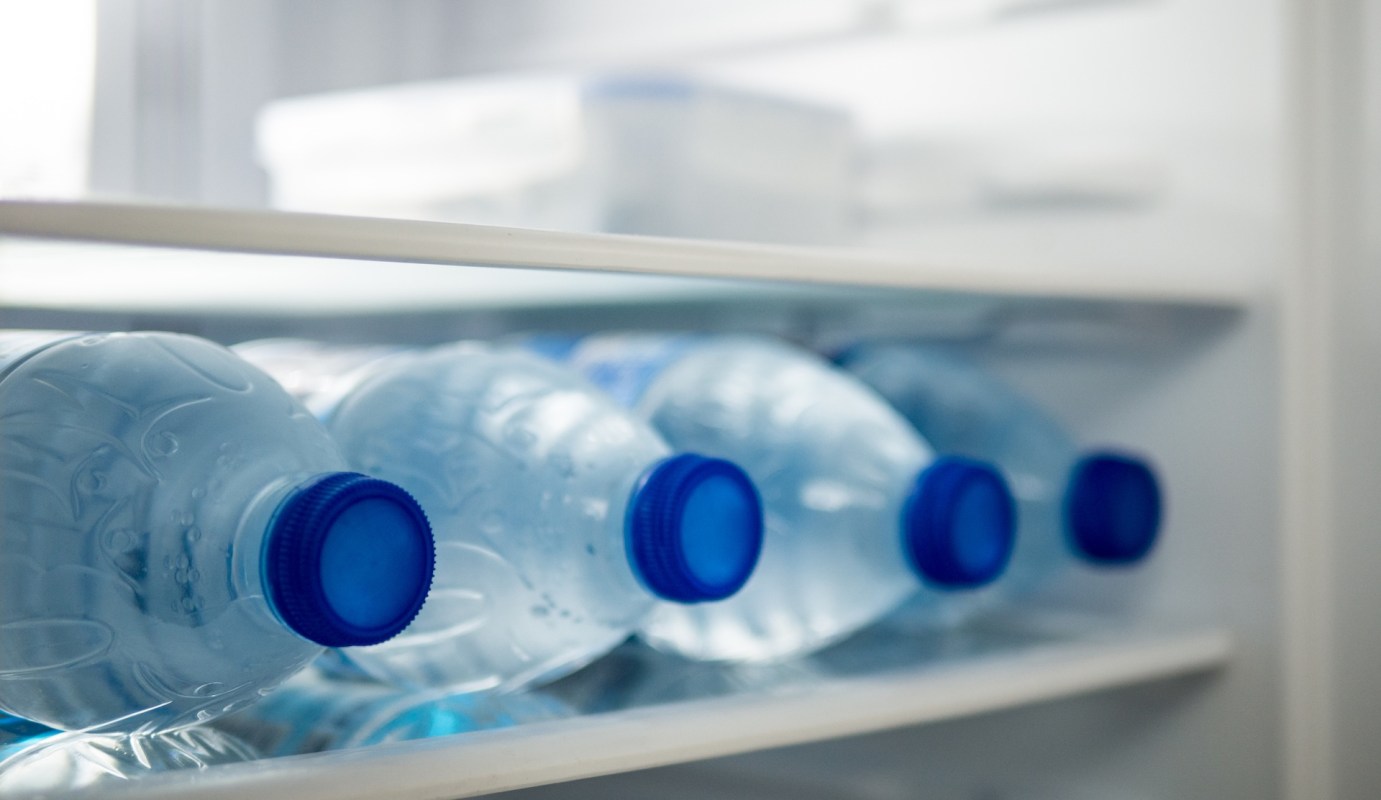
A U.K. resident experiencing a "massive water outage" took to Reddit to warn about a common emergency-prep mistake: stashing only enough water for drinking without considering all the other uses water serves in everyday life.
Cooking, washing, brushing teeth, and flushing toilets can empty a backup supply much faster than many people think.
Here's what to know
The discussion unfolded in a Reddit thread on r/UKPreppers. The original poster said a major local outage changed how they viewed water preparedness, revealing all the essential activities that require water.
"There is currently a massive water outage in our area and it has really brought into focus how much water we use," the OP wrote, listing "cooking" among the needs that suddenly became impossible to ignore.
In the replies, one commenter argued that people often treat emergency water planning as mainly a drinking-water issue, even though other uses account for most water consumption.
"When you hear advice to fill your bathtub in an emergency, it's not because you'll need that water for drinking - it's for all those other things," the commenter wrote after naming cooking, cleaning, bathing, washing clothes, and flushing toilets.
TCD Picks » Quince Spotlight
💡These best-sellers from Quince deliver affordable, sustainable luxury for all




As commenters pointed out, setting aside one supply for drinking and another for non-drinking uses can help a household stretch its reserves, rather than spending bottled water on every task during an outage.
More background
A common theme in the thread was a layered approach: regularly rotated bottled water reserved for drinking, while larger stored volumes of tap water and rainwater are used for jobs that don't require potable water.
One commenter said they store 13.2 gallons (50 liters) in pantry bottles, along with four 6.6-gallon (25-liter) HDPE jerry cans in a spare room, and can access a cold water holding tank that is "just shy of 200L."
The same commenter added that they also have roughly 925 gallons (3,500 liters) of rainwater capacity, though not for drinking.
Another commenter described "3 days drinking covered by in home bottled water rotation," plus "a bowser in the garage for longer drinking water," rainwater butts for non-drinking water, and backup options including filtration, chemical treatment, boiling, and a water testing kit.
According to the comments, two major constraints limited preppers: money and storage space.
One commenter said their household is "really broke," has "no real spare space," and is trying to build even "a BIT of a reserve" for a 4-year-old child and two small dogs.
Where can I learn more?
These stories explore the same water-preparedness issues that came up in the outage discussion. They cover bottled water stockpiles, backup collection methods, recycling technology, and concerns about bottled water itself.
• A Los Angeles fire evacuee's water stockpile kicks off a wider debate over saving bottled water for drinking.
• Long-time preppers shared how to collect and use water that would otherwise go to waste during shortages.
• Cities facing scarcity are turning to 'extreme' water recycling to stretch supplies during worsening shortages.
• Scientists studying kidneys uncovered microplastics' human health impacts while tracing what portable bottles may leave behind.

Get TCD's free newsletters for easy tips, smart advice, and a chance to earn $5,000 toward home upgrades. To see more stories like this one, change your Google preferences here.






