


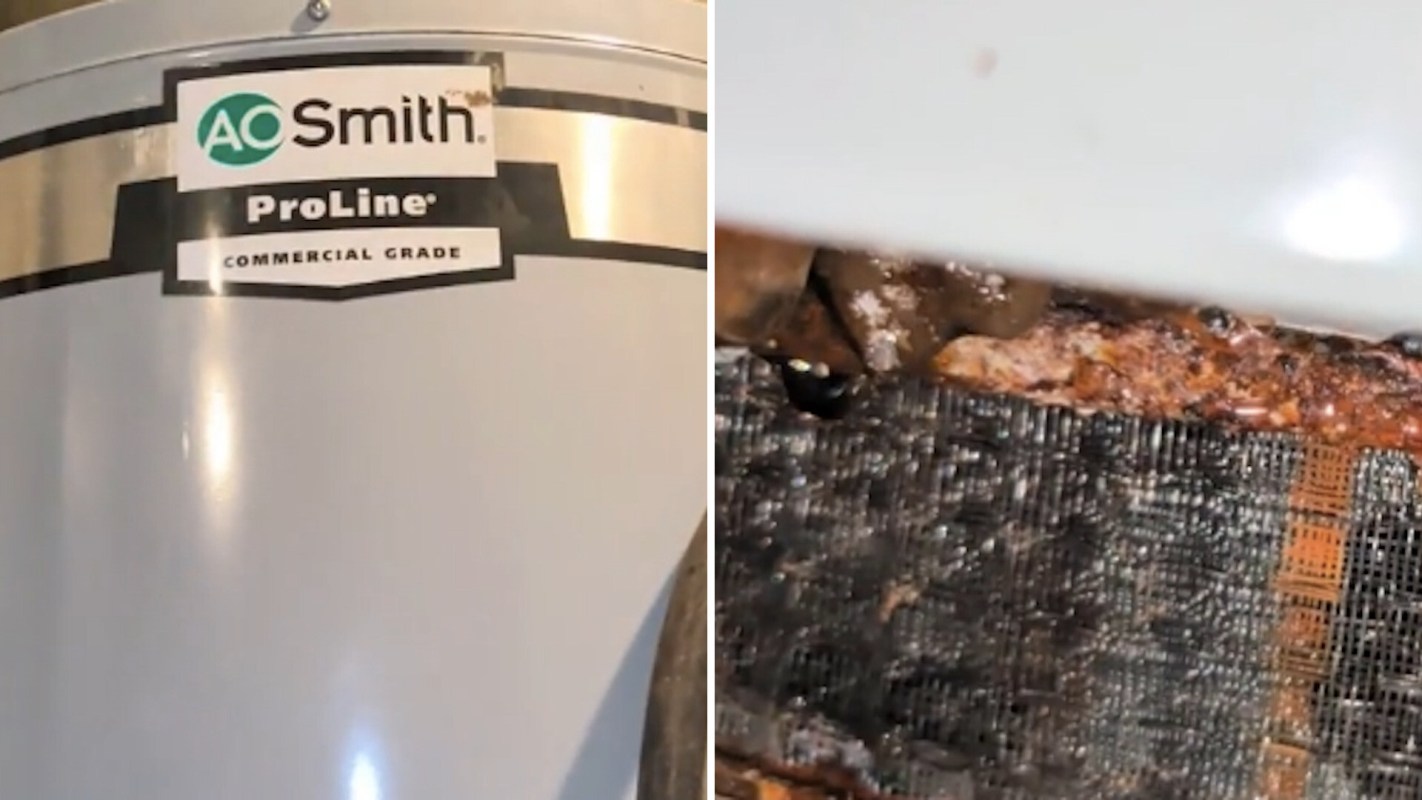
A homeowner with about six months left on an A.O. Smith water heater warranty said the company reviewed video of an apparent leak but initially concluded the tank was fine.
Here's what to know
According to a post on r/Plumbing Reddit, a plumber first directed the homeowner to a nearby supplier. The supplier, they said, warned that the manufacturer might resist a warranty exchange. The homeowner contacted the manufacturer, spoke with a technician named "John," sent a video that clearly showed the water heater leaking, and was told there was "no evidence that it was leaking."
(Click here to view footage if embed does not appear.)
For households who end up replacing an aging tank anyway, that kind of breakdown is frustrating, but it can also create an opportunity to lower utility costs.
Upgrading from a standard electric water heater to a heat pump model can reduce energy bills because heat pumps use electricity more efficiently than conventional resistance tanks.
In this case, despite the response from the manufacturer, the homeowner said the supplier believed the serial number and warranty sticker were enough to support a replacement.
Other people in the thread agreed, with one writing, "Its not leaking, it's gushing," and a self-described Brooklyn plumber saying, "Tank is clearly leaking tell John to get his reading glasses."
The poster added that the dispute was resolved after another attempt to reach the company. Their update read: "I called again and spoke with a different agent and was able to get it replaced. So happy ending."
Save $10,000 on solar panels without even sharing your phone number Want to go solar but not sure who to trust? EnergySage has your back with free and transparent quotes from fully vetted providers in your area. To get started, just answer a few questions about your home — no phone number required. Within a day or two, EnergySage will email you the best options for your needs, and their expert advisers can help you compare quotes and pick a winner. Solar panels can save you more than $50k over their 25-year lifespan, and EnergySage can help you save as much as $10k on installation. Which begs the question — isn't that worth an email or two? |

More background
In the discussion, the homeowner said this water heater was 9 1/2 years old and still within its 10-year warranty by about six months. They also said a second unit in the house had been replaced under warranty at roughly the 7-year mark.
For homeowners, failures that happen just before coverage expires can mean juggling manufacturer decisions, supplier procedures, and the possibility of water damage at home. In that context, the original poster argued that companies "should make tanks well enough to last at least 11 years if they're going to offer that."
One self-identified technician contrasted that experience with how his company handles these situations, saying the office would provide the right replacement tank, swap out the old unit, and handle the warranty filing afterward. To several commenters, the process described in the thread sounded far more complicated than it should have been.
What can be done?
Commenters also suggested using a contractor or dealer who handles these claims all the time, rather than managing the back-and-forth alone. One person wrote, "Call a plumber or HVAC company. They will replace and handle all the warranty BS," and another technician said established dealer relationships can sometimes smooth out the process.
Homeowners facing a replacement may also want to compare newer systems such as Cala. Cala's customizable smart heat pump water heaters help homeowners decrease their energy bills by heating water exactly when it's needed. That means a replacement can be more than a one-for-one swap after a 9 1/2-year-old tank gives out.
Because the system is designed around household hot-water demand, it offers a more tailored approach than a standard tank. For people frustrated by the kind of late-warranty breakdown described in the Reddit thread, that combination of control and efficiency could make a forced upgrade feel more worthwhile with Cala.
Where can I learn more?
Here are a few articles on similar water heater headaches and replacement decisions. They cover denied claims, costly swaps, leaks, safety scares, and upgrade choices.
• A homeowner paid $1,400 for a warranty swap and still felt ripped off.
• A new unit died in under 6 months, leaving hot water out for weeks.
• After a tank sprang a leak, one homeowner weighed a $650-750 instant rebate.
• A corroded 10-year-old tank left one homeowner torn over replacement options at home.
• One faulty water heater blew up in their face, and even the plumber was stunned.

Get TCD's free newsletters for easy tips, smart advice, and a chance to earn $5,000 toward home upgrades. To see more stories like this one, change your Google preferences here.






