


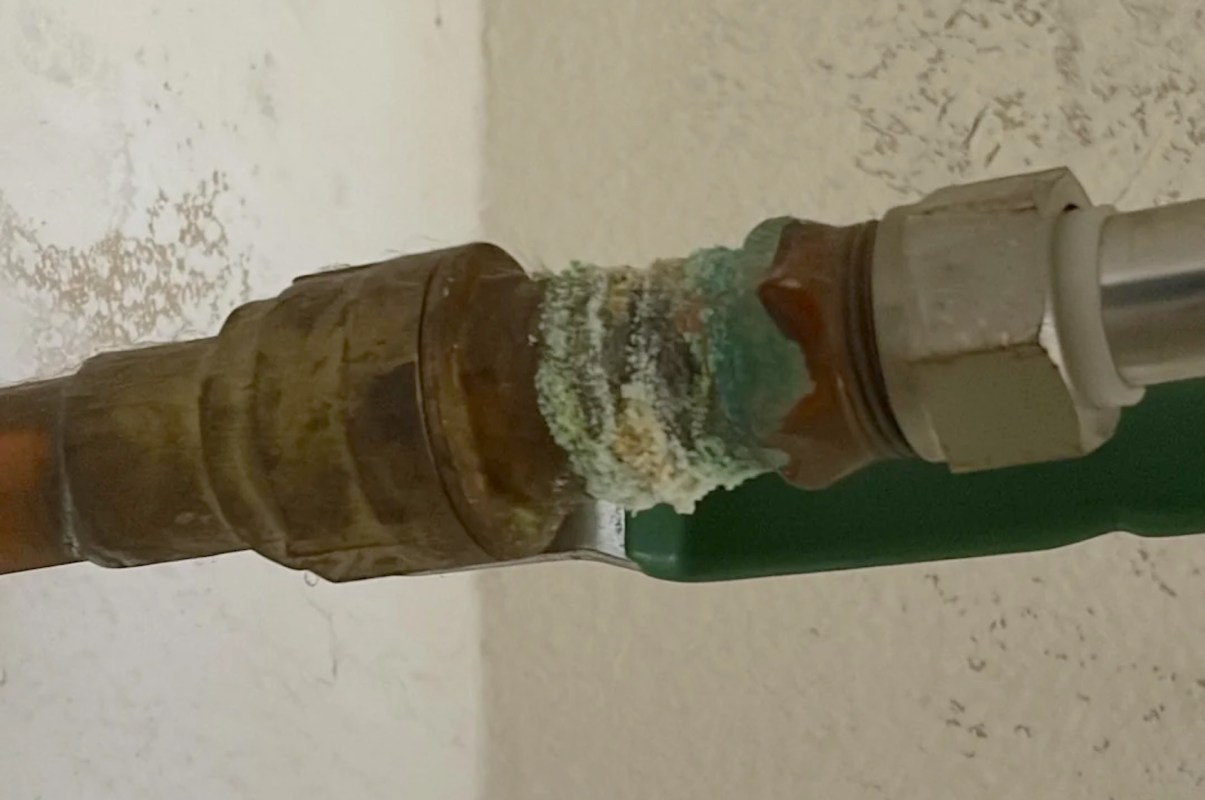
Right before replacing a water heater, one homeowner noticed a chalky white crust around a supply-side valve and hoped it was something they could simply clean off.
The online discussion that followed suggested it was more likely a warning sign rather than a cosmetic issue.
Here's what to know
The homeowner posted a photo to Reddit's r/AskPlumbing community and wrote: "Is all this corrosion from the flux? Can I just wipe it away or am I asking for trouble?"
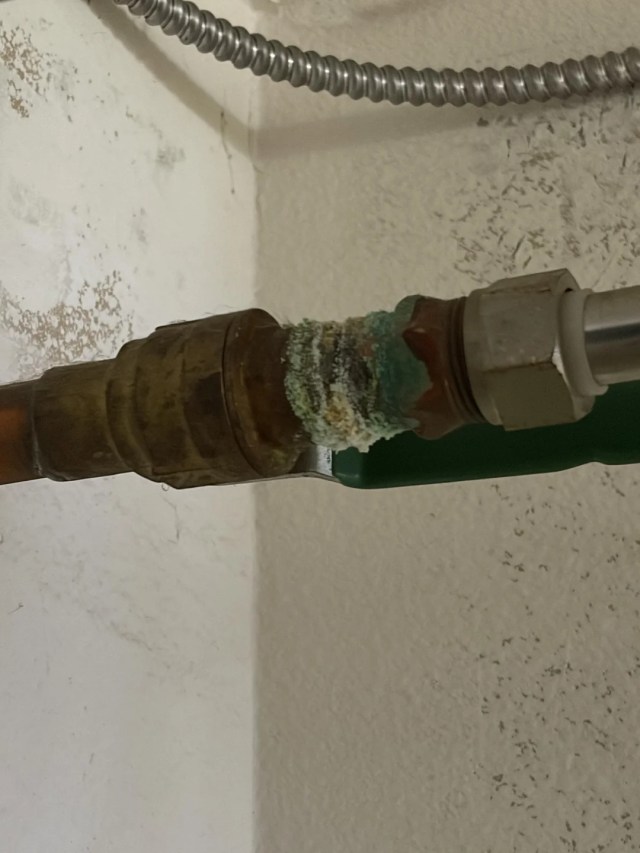
Among the replies, the most emphatic advice was not to disturb the area unless it was being replaced. The top comment read, "Change it or leave it. Cleaning it will actually cause it to leak faster."
Several other users read the white deposit as evidence of a very slow leak rather than leftover flux from the original soldering. If that is the case, the buildup isn't just surface residue, but a sign the connection itself may be failing.
As one commenter explained, "That looks like a really slow leak… Replace [the] section for peace of mind."
Putting a new heater onto a suspect supply joint could mean anything from a minor drip to a much more expensive water-damage repair.
And when corrosion is visible on plumbing, it often means water has been escaping for a while.
Save $10,000 on solar panels without even sharing your phone number Want to go solar but not sure who to trust? EnergySage has your back with free and transparent quotes from fully vetted providers in your area. To get started, just answer a few questions about your home — no phone number required. Within a day or two, EnergySage will email you the best options for your needs, and their expert advisers can help you compare quotes and pick a winner. Solar panels can save you more than $50k over their 25-year lifespan, and EnergySage can help you save as much as $10k on installation. Which begs the question — isn't that worth an email or two? |

Even a minor hot-water seep can lead to several expenses. It can waste treated water, force the water heater to cycle more often, and raise utility bills over time. If the leak worsens after surface cleaning, it can also damage flooring, drywall, or nearby appliances.
A planned water heater replacement is also the easiest time to deal with a weak connection. With the old unit disconnected, swapping out a questionable shutoff valve, fitting, or short section of pipe is usually simpler than hoping a cleaned-up joint keeps holding.
White crust on a water line shouldn't be dismissed as harmless residue. If you notice buildup around a valve or soldered connection during a water heater swap, redoing that section may make more sense than relying on a cosmetic cleanup.
Where can I learn more?
That Reddit thread points to a common homeowner headache: small water heater and plumbing issues can get expensive faster than people expect. These articles dig into the same themes, including maintenance, leak detection, and replacement choices that can help prevent hidden damage.
• A home expert says critical water heater maintenance tips can prevent breakdowns and trim energy bills.
• One plumber's perplexing appliance advice forced a homeowner to rethink going tankless.
• A home inspector says a simple plumbing tip can stop small leaks from turning costly.
When a valve, fitting, or appliance starts showing signs of trouble, it usually pays to act early.

Get TCD's free newsletters for easy tips, smart advice, and a chance to earn $5,000 toward home upgrades. To see more stories like this one, change your Google preferences here.






