


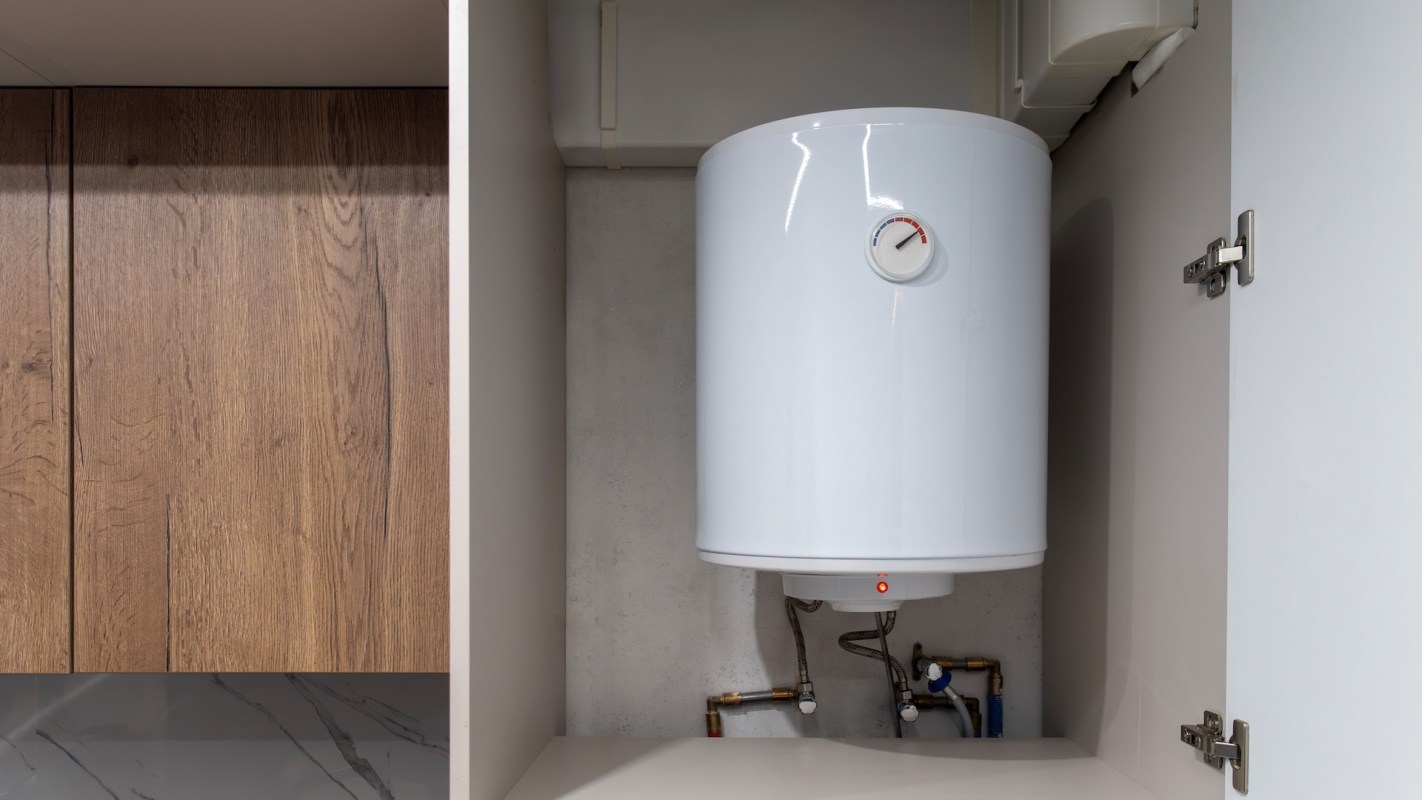
A homeowner in Michigan grew concerned when hot water that had felt almost too hot to use topped out at 117 degrees.
Those reading the post on the r/HomeMaintenance subreddit were less alarmed, saying that number was ordinary for a residential water heater.
Here's what to know
In a thread on Reddit, the homeowner said the water heater was installed in 2013 and had "run like a champ." Even after they turned down the temperature, the unit did not dip below 120 degrees.
Their concern came when water no longer felt especially hot and checks around the house showed the temperature holding at 117 degrees. That made them think that something might be wrong, even if the temperature was workable.
"117 is a pretty normal temp for a water heater. mine sits right around there and never had issues," a commenter responded. "Could just be the thermostat finally settling after you turned it down. Sometimes they take a bit to adjust."
The original poster clarified that they hadn't changed the temperature in months. They also wrote that nothing else in the house was using even warm water.
With all that in mind, they noted they would get the unit looked at and added that a plan through DTE Energy covered replacement and service calls.
In general, an aging water heater may be worth replacing with a more efficient model. Upgrading to a heat pump water heater can be a money-saving option when compared with standard electric resistance tanks.
Crushed by your bills? See instant solar savings from vetted installers in just a few clicks With energy prices through the roof, there's never been a better time to go solar — and EasyHome can help you find the best prices from the best installers in your area. EasyHome takes the guesswork and headaches out of energy upgrades by showing you estimated savings from a network of vetted local partners. To get started, just enter your ZIP and share a few details about your home — seeing your estimate is really that easy. |

More background
"Normal" and "comfortable" are not always the same thing. Water heaters are often set around 120 degrees, a temperature that is generally hot enough for household use without veering into scalding territory.
"Mechanical thermostats have a 5-8 degree window they operate in," another commenter explained. In other words, a water heater does not usually hold one temperature, and small swings can be expected even when nothing is wrong.
A unit installed in 2013 may still function fine, but it is also old enough that a homeowner might start watching for trouble signs. While slightly cooler water in this case was OK, the OP could have discovered a performance degradation.
What can be done?
When a water heater suddenly seems to work differently, the first steps are straightforward. Verify the temperature at the tap, check the thermostat setting, and rule out simultaneous hot-water use elsewhere.
If the unit is old, a professional inspection can help determine the issue. If replacement is on the table, a heat pump water heater can offer a money-saving upgrade.
One option homeowners may want to consider is Cala. Cala's customizable smart heat pump water heaters help homeowners decrease their energy bills by heating water when it's needed. That targeted approach can reduce wasted energy while still making sure hot water is available for showers, dishes, and baths.
For people hoping to avoid surprise repair costs, a smarter replacement can be easier to justify when an old tank starts acting differently. And for households focused on lowering utility bills, Cala represents a new alternative to standard water-heating setups that can waste energy keeping water hot around the clock.
Where can I learn more?
Questions about whether a water heater is operating normally often send homeowners down the path of troubleshooting, followed by the bigger question of whether it's time to upgrade. These articles look at similar temperature swings and new systems designed to offer better control and lower energy use.
• A homeowner watched a Rinnai water heater run scalding hot, then go lukewarm again.
• GE says its smart heat pump water heater can cut bills by about $550 yearly.
• Households weighing upgrades may find tankless water heater controls useful for efficiency and steady temperatures.
• Replacing an aging tank with a heat pump water heater can lower long-term costs.
A small change in water temperature can point to normal cycling, or it can be the first sign that an old unit is nearing the end of its run. Reading about a few comparable cases can make it easier to decide whether to keep monitoring the heater, call for service, or start planning for a replacement.

Get TCD's free newsletters for easy tips, smart advice, and a chance to earn $5,000 toward home upgrades. To see more stories like this one, change your Google preferences here.






