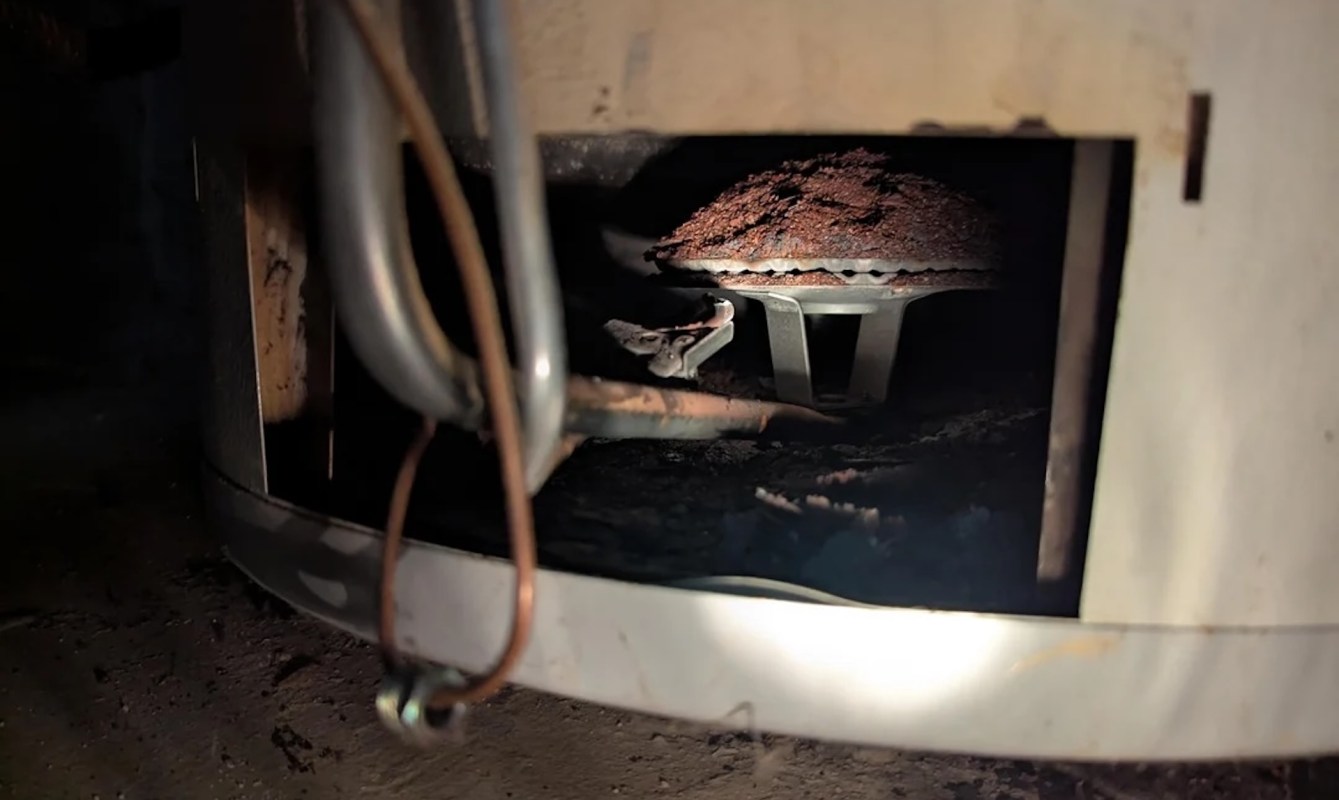
A homeowner on Reddit is trying to decide whether a 2002 GE Profile SmartWater heater is salvageable after waking up to no hot water, a failed pilot light, and a "big pile of rust" under the unit — the kind of warning signs that can mean a repair is no longer worth it.
For homeowners facing that kind of decision, replacement can sometimes come with a silver lining. Upgrading to a heat pump water heater can dramatically cut energy use, and many households can save on utility bills compared with a standard electric model.
Here's what to know
In a post on Reddit, the owner of a GE Profile SmartWater model PG40T9A wrote, "We woke up this morning to no hot water. Found the pilot light out on the water heater, along with this big pile of rust."
They said the heater's "pilot light won't stay lit," and they were trying to figure out whether this was a minor "vacuum and move on" fix or evidence of a larger problem.
One user said, "You might be able to squeeze more life out of it with a vacuum and some parts. But definitely start planning for a replacement."
With the unit being manufactured in 2002, it's well beyond the service life most homeowners expect from a tank water heater.
As the same user said, "15-20 years is a solid lifespan for a water heater, you're beyond that, so it did good."
More background
A water heater can sometimes be revived with a relatively inexpensive part, such as a thermocouple, especially if the main issue is simply that the pilot will not stay lit. However, visible rust changes the equation.
Save $10,000 on solar panels without even sharing your phone number Want to go solar but not sure who to trust? EnergySage has your back with free and transparent quotes from fully vetted providers in your area. To get started, just answer a few questions about your home — no phone number required. Within a day or two, EnergySage will email you the best options for your needs, and their expert advisers can help you compare quotes and pick a winner. Solar panels can save you more than $50k over their 25-year lifespan, and EnergySage can help you save as much as $10k on installation. Which begs the question — isn't that worth an email or two? |

Rust around the base of a gas water heater can indicate underlying issues, including moisture damage, corrosion, or deterioration of parts that are costly or impractical to repair on a very old unit. Even if a quick fix gets the hot water running again, homeowners may still be left with a tank running on borrowed time.
Replacing a failing water heater on your own timeline is usually easier and often less expensive than scrambling after a sudden leak or total failure.
What can be done?
If your water heater is more than 15 years old, showing rust, or repeatedly losing its pilot light, the first step is usually to get a professional assessment rather than continuing to pour money into piecemeal repairs. A plumber can confirm whether the problem is a simple part failure or a sign that the whole system is nearing the end of life.
For homeowners who do need a new unit, heat pump water heaters are becoming more attractive because they use far less electricity than conventional electric tanks. Depending on where you live, rebates or tax incentives may also help lower the upfront cost.
One option homeowners may want to look at is Cala. Its customizable smart heat pump water heaters help homeowners reduce their energy bills by heating water only when needed. That kind of timing can reduce wasted energy while still keeping enough hot water available for real household routines, not just a generic factory setting.
For anyone replacing an aging tank, it may be worth comparing standard replacements with smarter high-efficiency options such as Cala before making a final call.
In this case, the biggest warning sign may simply be the unit's age.
Where can I learn more?
When an older tank starts showing rust and can't keep the pilot lit, most homeowners end up weighing the same two options: try to buy a little more time with maintenance or replace it now. The articles below cover both angles, from basic upkeep that may help a heater last longer to heat pump upgrades that can reduce energy use over time.
• Simple water heater maintenance tips can help homeowners delay failures and avoid surprise repair bills.
• For households replacing an old tank, a heat pump water heater can lower long-term operating costs.
• GE's smart heat pump model gives homeowners more control and can trim yearly power costs.
• After four years, one homeowner's heat pump savings showed how upgrades can pay back.
Rust under an old water heater usually means you're making a bigger call about repair costs, efficiency, and how much life the tank really has left. A quick look at how routine maintenance stacks up against newer high-efficiency models can help you sort out the next step.

Get TCD's free newsletters for easy tips, smart advice, and a chance to earn $5,000 toward home upgrades. To see more stories like this one, change your Google preferences here.