


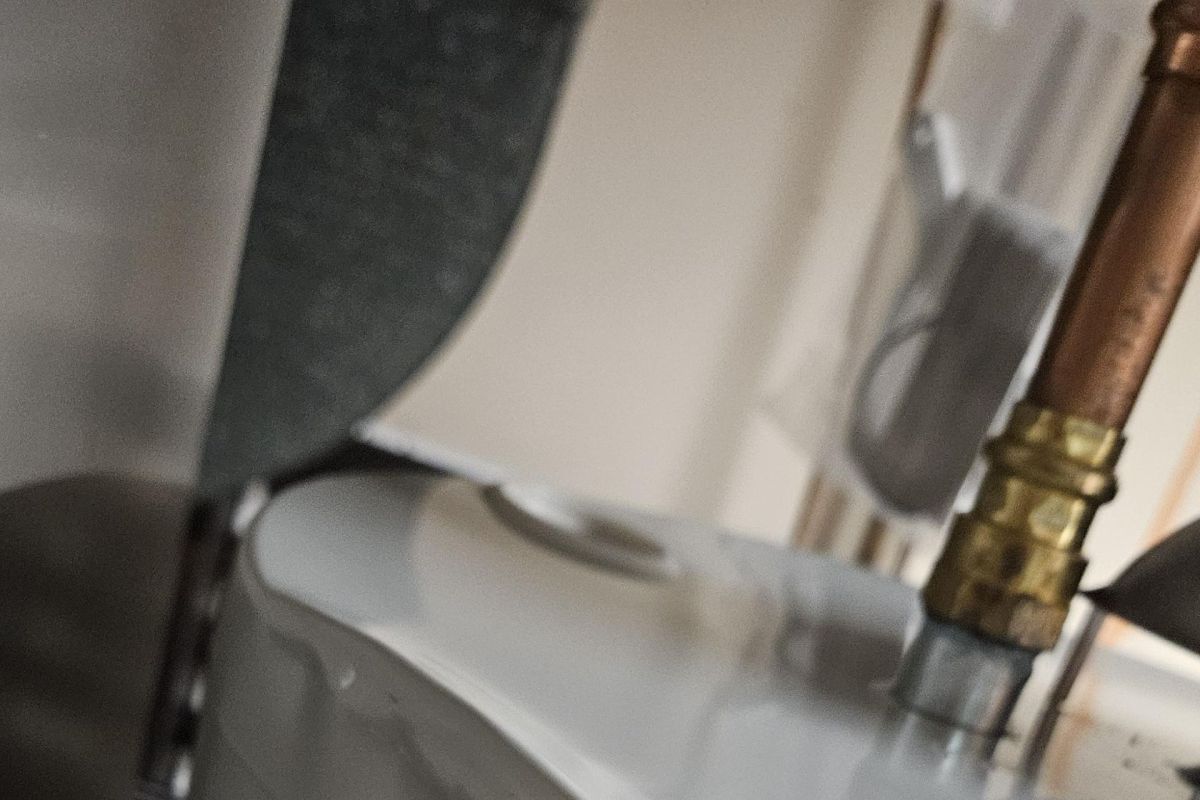
Buying a new water heater is expensive enough without also having to argue over whether visible damage is somehow "just cosmetic." That is why one homeowner's account of pushing back after a dented, newly installed unit was left behind struck a chord with readers, especially because the family said the installer never mentioned the damage in the first place.
Here's what to know
On Reddit, a homeowner asked, "Would you accept a new water heater that had this kind of damage on the top?" According to the post, the company had already installed the unit, and only after the household noticed the crushed rim did an argument begin over replacing it, with the damage being brushed off as cosmetic.
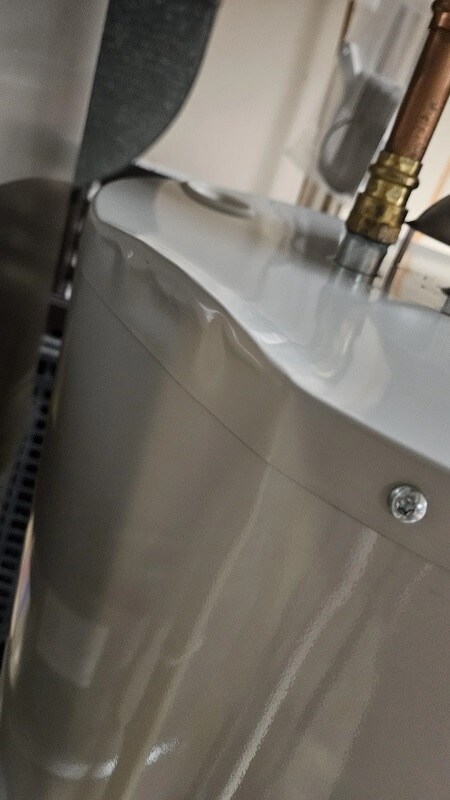
Even after the company agreed to swap it out, the dispute clearly didn't go away. The OP said the technician who handled the replacement still insisted "that it wasn't a big deal and he didn't understand why he had to switch it out at all."
One user said, "Here's the thing, it isn't a big deal. That water heater works perfectly fine, and will likely work fine for many years. The problem is you didn't pay for a slightly damaged water heater, you paid for a new one."
For the homeowner, the concern was not just appearance but what kind of impact might have been involved in crushing the rim in the first place: "Our stance was [if] it was dropped enough to crush the rim ... what happened inside? They don't cover all the water damage if this thing fails and it looks horrible if we went to sell the house. Would you have accepted this just as cosmetic damage?"
More background
Not everyone said the unit had to be rejected outright, but users who were willing to keep a damaged appliance still expected a serious price cut. Examples mentioned in the thread included about "$200 off" for a similar dent, "a 50% discount" on a refrigerator that had already been delivered and installed, and a $300 credit for a dented fridge.
TCD Picks » Quince Spotlight
💡These best-sellers from Quince deliver affordable, sustainable luxury for all




Several users said a scratched or dented product should come with a discount that reflects its reduced value. Otherwise, homeowners may be paying full price for what is essentially scratch-and-dent inventory.
A visible dent also raised questions about how the heater was handled before it reached the home. One user described buying a dropped heater at roughly one-third of the normal price, only to have it "burst a seam" years later.
What can be done?
Inspect major appliances as soon as they are delivered or installed, and immediately document any dents, bent panels, or other signs of impact.
If you find damage, consumers generally have two reasonable options: a full replacement or a meaningful discount.
One user said, "Ask for half price or a new heater. You paid for a new, undamaged unit."
A damaged unit may still work, but concerns about resale and uncertainty over hidden internal damage can affect what that product is worth to the buyer.
If a contractor dismisses the problem, homeowners can ask for the decision in writing, request a manager, and keep photos of the damage before agreeing to anything.
Where can I learn more?
These stories hit many of the same issues: water heaters, installer judgment, and what happens when homeowners push back. They cover botched fixes, questionable plumber advice, installation frustrations, and post-purchase warranty problems.
• A tenant's video showed a botched water heater fix that users called potentially deadly.
• One homeowner sought unbiased opinions after a plumber pushed questionable advice on a replacement.
• A homeowner noticed a surprisingly common trend among plumbers during heat pump water heater installation.
• Another installer dispute showed a frustrating trend among plumbers when homeowners asked about upgrades.

Get TCD's free newsletters for easy tips, smart advice, and a chance to earn $5,000 toward home upgrades. To see more stories like this one, change your Google preferences here.






