


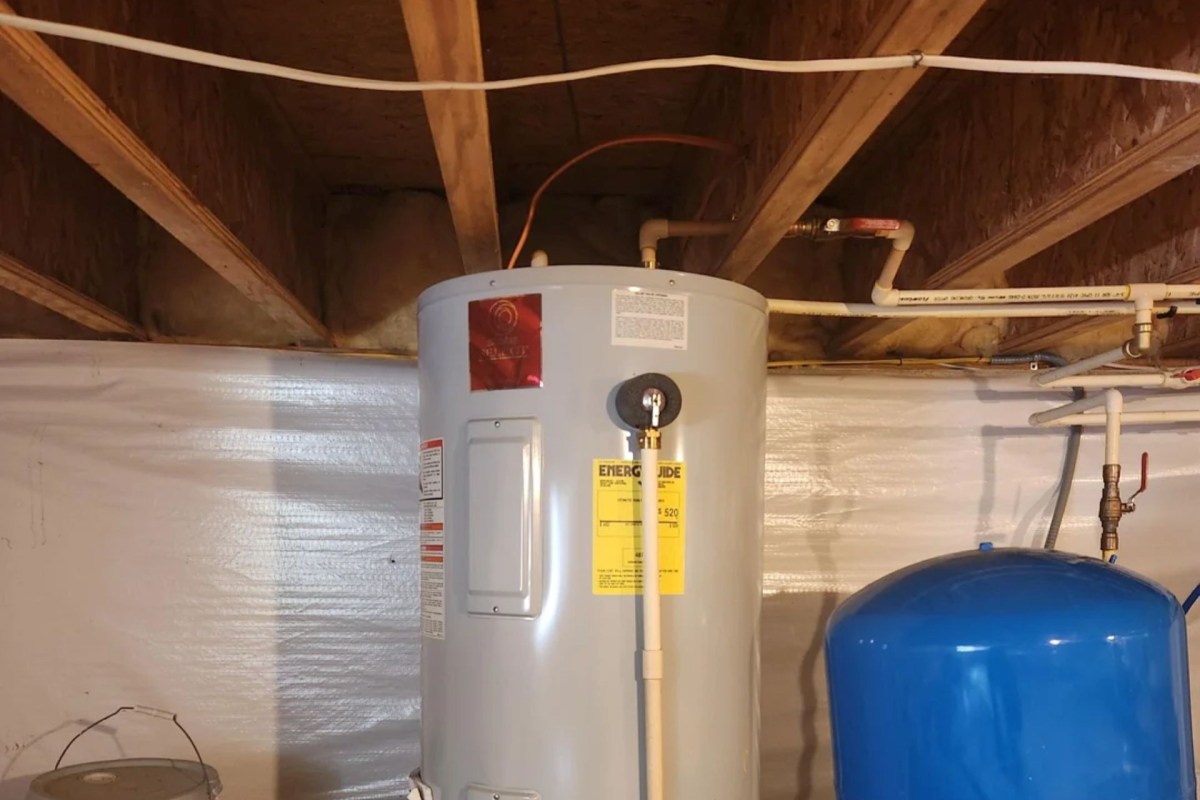
A homeowner with a 17-year-old water heater has sparked a familiar debate: When a major appliance still works, is it better to leave it alone or replace it before it fails on its own terms?
What's happening?
The discussion started in a post on Reddit, where a homeowner shared photos of a State water heater in a conditioned crawl space and asked whether an older but well-kept unit should be replaced proactively.
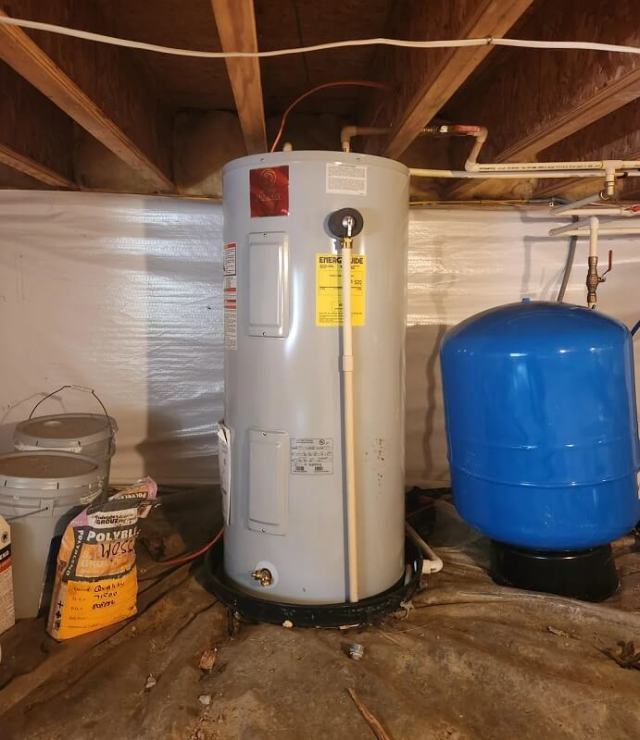
According to the homeowner, the 17-year-old tank has been flushed every year. They also said a water softener was added last year and that the water heater has continued operating without problems.
"Haven't had any issues and the company that does the maintenance hasn't seen any signs of issues (yet)," the homeowner wrote, before asking: "Am I just on borrowed time? Like should I start window shopping? Or just let it go on?"
Why does it matter?
A water heater that lasts 17 years may sound like a clear win — and in some ways, it is. Extending the life of a major appliance delays a costly purchase and gets more value out of equipment already in place.
However, waiting until a tank fails can get expensive fast. Emergency replacement often leaves less time to compare prices, fewer chances to secure the best rebates, and a higher risk of water damage if the tank begins leaking unexpectedly.
There is also the question of efficiency. Even if an older unit still functions, newer models can lower monthly utility bills, especially if the existing heater is electric resistance rather than a newer heat pump design.
What can I do?
When it's time to replace the tank, signs to watch for include rust, dampness around the base, popping or rumbling noises, inconsistent hot water, or repairs that start becoming more frequent.
Save $10,000 on solar panels without even sharing your phone number Want to go solar but not sure who to trust? EnergySage has your back with free and transparent quotes from fully vetted providers in your area. To get started, just answer a few questions about your home — no phone number required. Within a day or two, EnergySage will email you the best options for your needs, and their expert advisers can help you compare quotes and pick a winner. Solar panels can save you more than $50k over their 25-year lifespan, and EnergySage can help you save as much as $10k on installation. Which begs the question — isn't that worth an email or two? |

There is also a financial angle to consider. If an older electric unit is replaced with a heat pump water heater, households can often slash water-heating costs by hundreds of dollars per year. Energy Star says a family of four could save about $550 annually, depending on the model and usage.
One option homeowners may want to compare is Cala. Its customizable smart heat pump water heaters help homeowners decrease their energy bills by heating water exactly when it's needed. That means less wasted energy from keeping a full tank hot around the clock. For someone replacing an aging water heater on a planned timeline, that added control can make a big difference in both comfort and monthly costs. Shoppers can compare smart replacement options from Cala while they still have time to choose carefully.

Get TCD's free newsletters for easy tips, smart advice, and a chance to earn $5,000 toward home upgrades. To see more stories like this one, change your Google preferences here.






