


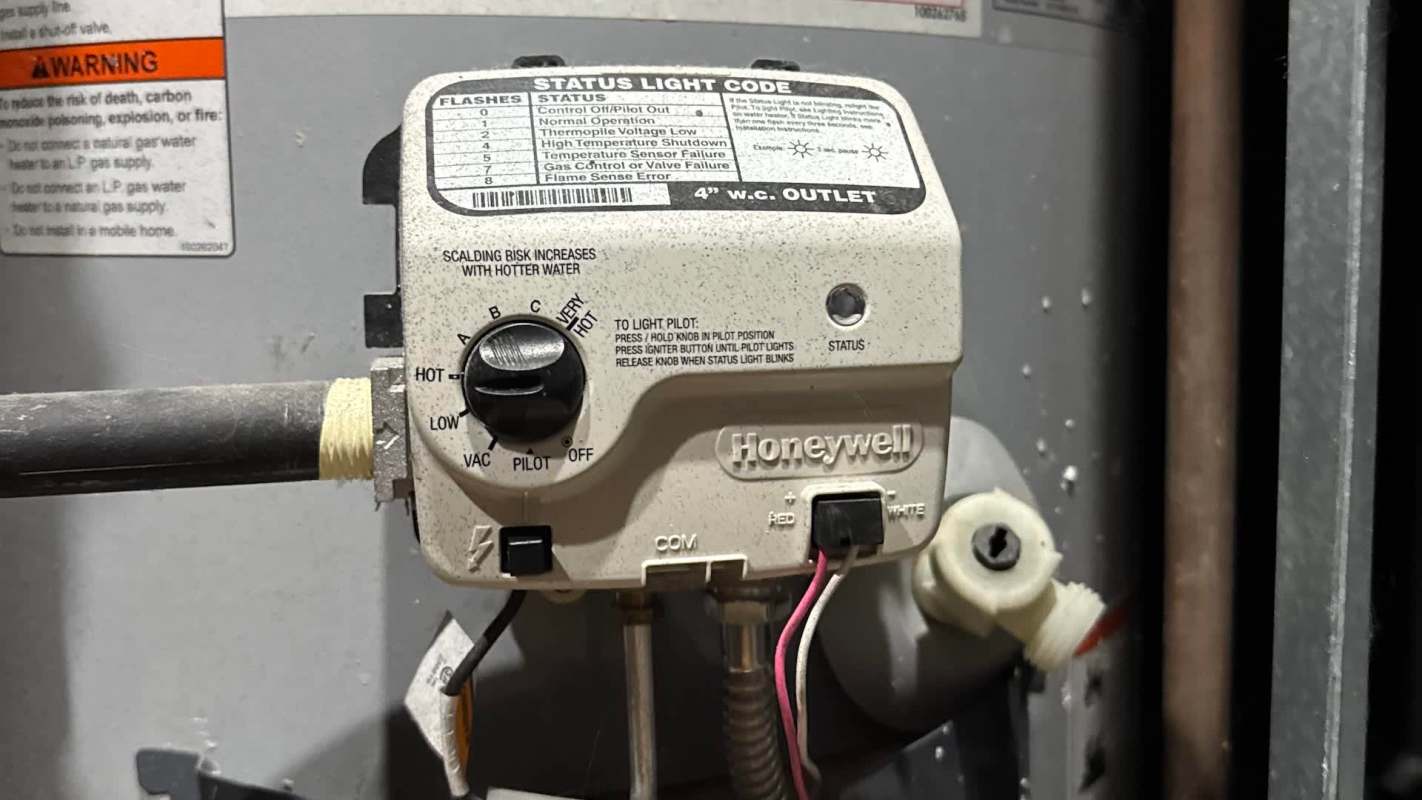
A dripping water heater relief valve can look like proof that the whole tank is done for.
But one first-time homeowner's repair story, in which a newly replaced temperature-and-pressure valve started leaking again and a second company recommended a full replacement, shows why a pressure check and a second opinion can be worth getting before agreeing to a full replacement.
Here's what to know
In the Reddit thread, a homeowner wrote, "First time homeowner trying to get some advice."
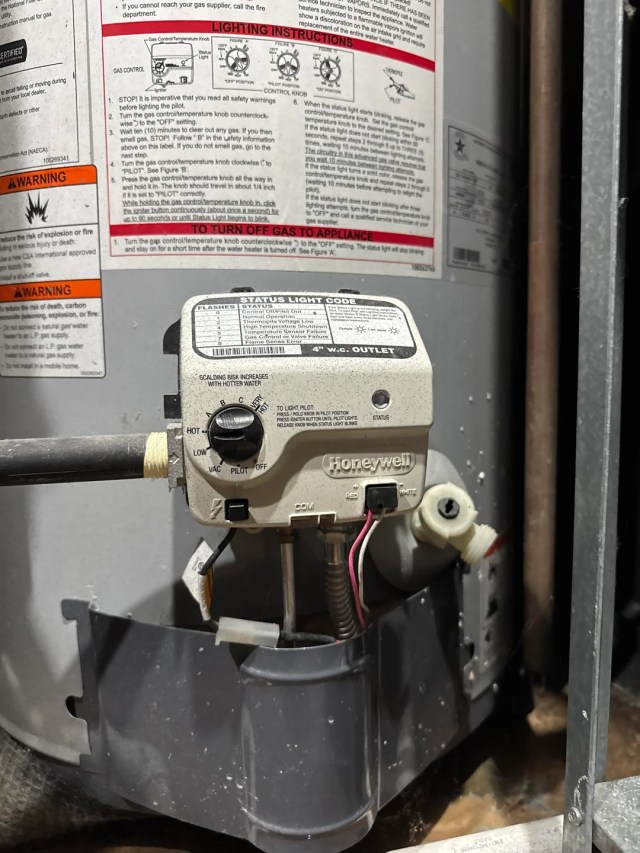
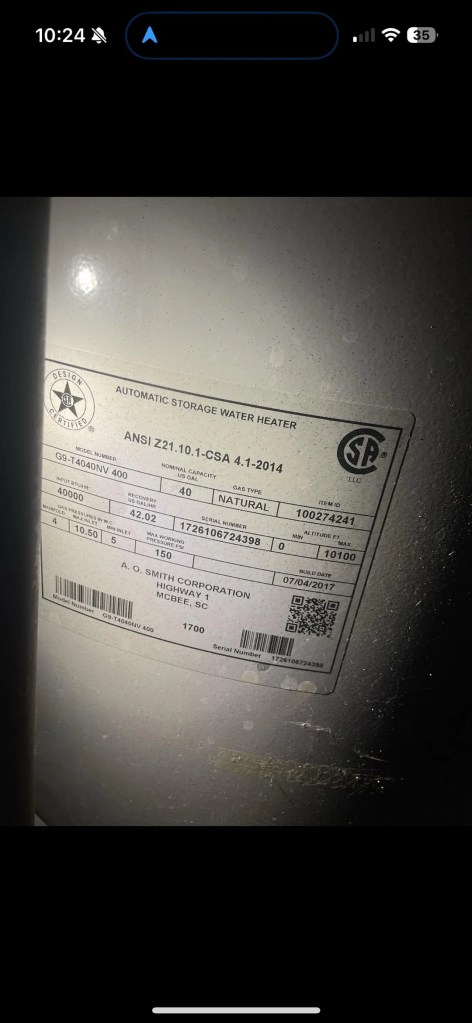
They said the valve broke and "water started rushing like a faucet out of it."
Six days after the valve was replaced, it began dripping again, and a second company told them the answer was a completely new water heater.
If a water heater really is at the end of its life, upgrading to a heat pump water heater can soften the financial blow. These high-efficiency models can cut water-heating costs substantially, and some households can save hundreds of dollars per year — often around $550 annually compared with a standard electric resistance model, depending on usage and utility rates.
Many replies steered away from replacement and toward pressure-related issues first.
"Is there an expansion tank on the cold intake?" one commenter asked.
Save $10,000 on solar panels without even sharing your phone number Want to go solar but not sure who to trust? EnergySage has your back with free and transparent quotes from fully vetted providers in your area. To get started, just answer a few questions about your home — no phone number required. Within a day or two, EnergySage will email you the best options for your needs, and their expert advisers can help you compare quotes and pick a winner. Solar panels can save you more than $50k over their 25-year lifespan, and EnergySage can help you save as much as $10k on installation. Which begs the question — isn't that worth an email or two? |

Another commenter said the homeowner also needed to check the home's static water pressure.
Another commenter said a leaking relief valve often responds to a problem, not creating one: it may simply be opening to release excess heat or pressure rather than signaling that the tank has already failed.
More background
Because the temperature-and-pressure relief valve is a safety device, a fresh leak after replacement can point to something beyond the valve itself. The system may be dealing with pressure buildup, overheating, or expansion trouble elsewhere in the plumbing.
In a closed plumbing system, heated water needs room to expand. That is why several commenters focused on expansion tanks and pressure-reducing valves: if the expansion tank is not working, or if household water pressure is too high, the relief valve can keep dripping no matter how recently it was replaced.
A cheap pressure gauge or an expansion-tank fix typically costs far less than replacing an entire water heater. Avoiding an unnecessary swap can also keep a still-usable appliance out of the landfill longer.
Still, replacement is sometimes the right answer. A new unit may make sense if the tank is old, overheating, or failing internally, and a dripping relief valve alone does not automatically confirm the diagnosis.
What can be done?
The thread's practical advice was to measure incoming water pressure, verify that an expansion tank is installed and working, and make sure the water temperature is not set too high. A plumber who checks those basics can often determine whether the tank is actually failing or whether the surrounding conditions are causing the drip.
If replacement is necessary, Cala is one company worth comparing. Its customizable smart heat pump water heaters help homeowners decrease their energy bills by heating water exactly when it's needed.
That kind of demand-based heating can reduce wasted energy from keeping a full tank hot around the clock. It may also appeal to households with uneven schedules or people trying to take advantage of lower-cost electricity at certain times of day.
And if the diagnosis points to replacement, efficient options such as Cala can turn a painful repair bill into a longer-term utility savings opportunity.
Where can I learn more?
If you're trying to decide whether a water heater needs a repair or a full replacement, the articles below look at the maintenance checks, safety failures, and upgrade questions that can shape that call.
• On Reddit, homeowners shared how to keep a water heater running with simple maintenance checks.
• A faulty water heater blew up, showing one homeowner exactly why safety devices matter.
• After an old unit failed, lucrative water heater advice pointed the homeowner toward cheaper upgrades.
• A plumber's recommendation left one homeowner suspicious of the upgrade enough to seek unbiased opinions.
• Questionable plumber guidance sent another homeowner toward second opinions on heat pump options first.

Get TCD's free newsletters for easy tips, smart advice, and a chance to earn $5,000 toward home upgrades. To see more stories like this one, change your Google preferences here.






