


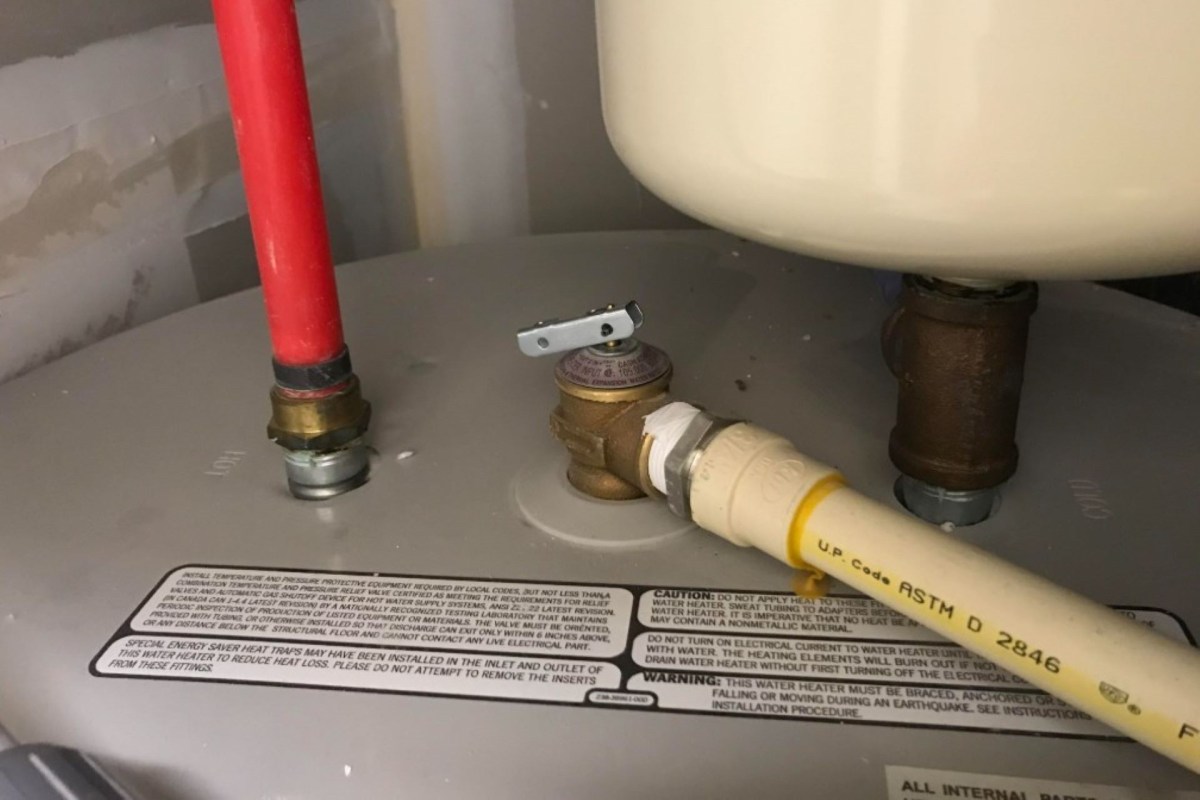
A homeowner posted on Reddit asking why their 10-year-old electric water heater has no problems and looks pretty new.
While that should be reassuring, the homeowner has read that certain units this old should be replaced. But could replacing this already functioning water heater cause a complete catastrophe in the house?
Here's what to know
Although the homeowner had already installed a WiFi water detector that would shut off the supply if a leak started, they were still concerned the tank could "fail catastrophically, dump 50 gallons and flood my house."
Across the thread, the dominant response was that a 10-year-old heater that works fine doesn't automatically need to be replaced.
Many homeowners face the same question: Should they replace a major appliance based on age alone, or keep using it while it still works?
Replacing a functioning water heater too early can mean taking on a major expense before it is truly necessary.
TCD Picks » Quince Spotlight
💡These best-sellers from Quince deliver affordable, sustainable luxury for all




Extending the life of equipment that still operates safely can reduce unnecessary manufacturing, shipping, and disposal, while helping households get more value from what they already own.
What can be done?
Rather than replacing the unit right away, several people recommended monitoring it closely and doing basic upkeep. They suggested checking for moisture or rust where the side of the tank meets the bottom, and watching the floor as well, especially if there is no drip pan underneath.
Other suggestions centered on maintenance that could either extend the unit's life or surface problems sooner, including flushing sediment from the tank, checking the expansion tank, and inspecting the anode rod if possible.
The original poster had already taken one step by installing a leak detector with an automatic shutoff. Devices like that can help limit damage if a problem starts while no one is home.
For homes with heaters in higher-risk areas, preventive replacement may still make more sense. If a water heater is located above finished living space or anywhere a slow leak could still lead to expensive repairs, replacing it early may be worth the peace of mind.
As one commenter put it: "If it is my house, I'm running it until it drips or has a leak."
Where can I learn more?
If you're deciding whether to keep an older water heater or replace it, these stories offer a closer look at corrosion, maintenance, and the rare cases when something goes badly wrong. They cover aging tanks, basic upkeep, softener-related corrosion, an explosion that stunned a plumber, and floodwater damage to gas controls.
• A homeowner with a corroded 10-year-old tank found tankless especially tempting before replacing it.
• Basic upkeep like flushing sediment regularly can stretch a water heater's working life.
• Reddit users warned whole-house softeners can speed tank corrosion as anodes break down.
• One faulty heater blew up in a homeowner's face, shocking even the plumber.
• After floodwater reached a gas unit, the gas valve and controls became the focus.

Get TCD's free newsletters for easy tips, smart advice, and a chance to earn $5,000 toward home upgrades. To see more stories like this one, change your Google preferences here.






