


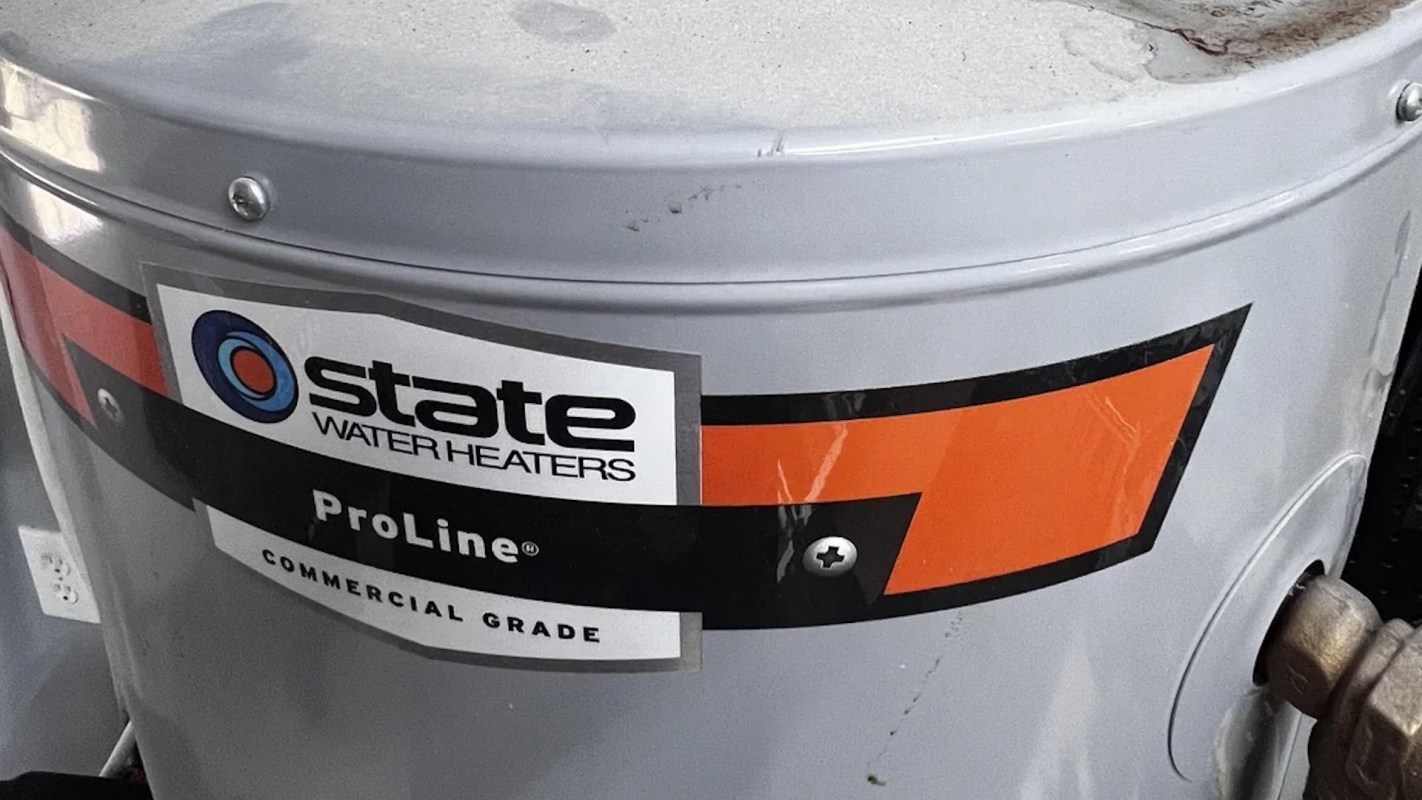
A puddle forming on top of a water heater can look like a death sentence for the appliance. But one homeowner's plea for help prompted a useful reminder: What looks like a tank failure may actually be a vent-related issue instead.
If replacement is the answer, there may be a silver lining. Upgrading to a heat pump water heater can dramatically cut water-heating energy use.
Here's what to know
In a Reddit thread, the original poster asked, "Water leaking from the top of water heater, is it time to buy a new one or is there a gasket I need to replace or something?"
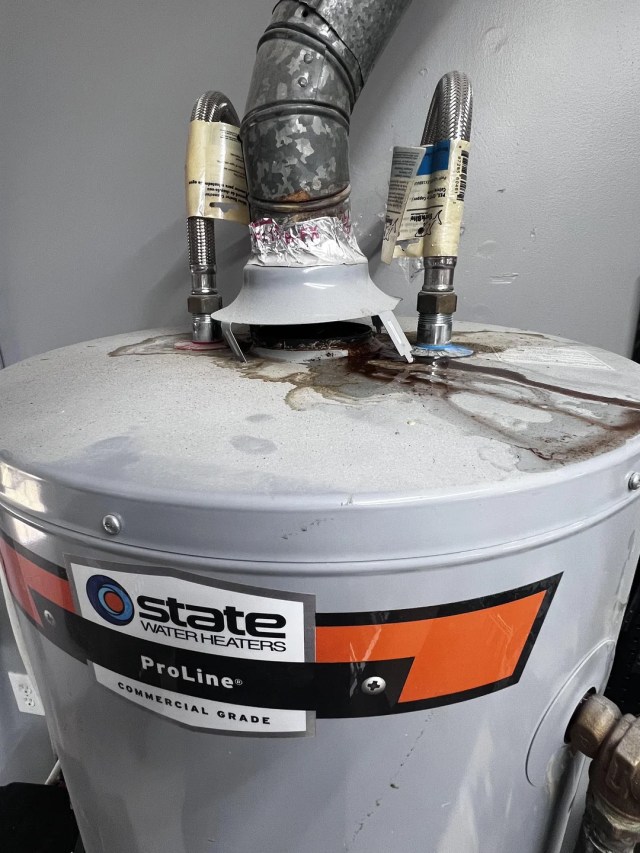
Not every reply reached the same conclusion: some commenters said a replacement could be necessary, but many responses focused on the vent area rather than the tank itself.
One commenter who identified themself as a master plumber wrote, "Master plumber here. leaking around the vent ring...replace it!"
Several other users also thought the water might be originating higher up.
One commenter said, "It looks like it's water coming down the vent."
Another suggested it could be condensation, and another noted that a chimney that previously handled a furnace may need a properly sized liner to prevent it.
Save $10,000 on solar panels without even sharing your phone number Want to go solar but not sure who to trust? EnergySage has your back with free and transparent quotes from fully vetted providers in your area. To get started, just answer a few questions about your home — no phone number required. Within a day or two, EnergySage will email you the best options for your needs, and their expert advisers can help you compare quotes and pick a winner. Solar panels can save you more than $50k over their 25-year lifespan, and EnergySage can help you save as much as $10k on installation. Which begs the question — isn't that worth an email or two? |

Commenters also stressed checking simpler problem spots before writing off the whole heater. The hot and cold connections, other fittings, and the temperature-and-pressure valve were all mentioned as potential areas where tightening or replacing a part might resolve the issue without installing a new unit.
More background
Top-side leaks can be tricky because water often travels before it drips. That means the wet spot a homeowner sees may not be the true source of the problem, especially around venting hardware or threaded pipe connections.
The cost difference can be significant depending on the cause. A condensation issue or a problem at a fitting or vent ring may be much cheaper to fix, whereas failure of the tank body or the tank-to-nipple connection can make replacement the more practical choice.
For gas water heaters, one commenter also raised the possibility of backdrafting or poor vent performance. Beyond water damage, that can point to a larger efficiency or safety concern, making a professional inspection worth considering.
What can be done?
Before spending money on a new unit, the main priority is finding the true source of the leak. If water is actively pooling, shut off the unit and have a plumber inspect the inlet and outlet connections, fittings, vent area, and tank top.
If replacement is necessary, it may be a good time to rethink the type of water heater you install. Heat pump models are far more efficient than standard electric resistance systems.
Cala offers customizable smart heat pump water heaters. Its customizable smart heat pump water heaters help homeowners reduce their energy bills by heating water only when needed. For households already staring at an unexpected replacement, that kind of targeted efficiency could make a new system much cheaper to operate over time than a conventional unit from Cala.
Comparing a few estimates can also help determine whether the heater is truly at the end of the line. In the thread, one commenter who suspected tank failure said a professional can often confirm that quickly during a quote.
"It's hard to determine where it's leaking from this pic but I'm inclined to think it could be coming from the vent too. OP, you should check the vent. In any case you need to determine where the water is leaking from before anyone here can advise you on the best solution," one commenter wrote.
Where can I learn more?
A little water on a heater can send homeowners straight into worst-case-scenario thinking. These articles cover the same kinds of issues — routine maintenance and a few simple checks that can help you avoid a much bigger repair bill.
• Homeowners can keep a water heater running with simple maintenance that delays costly replacement.
• A blue dye tank test can expose silent toilet leaks before utility bills rise.
The main lesson is simple: find the actual problem before you pay for a major replacement.
A little upkeep and early leak detection can go a long way toward keeping household costs down.

Get TCD's free newsletters for easy tips, smart advice, and a chance to earn $5,000 toward home upgrades. To see more stories like this one, change your Google preferences here.






