


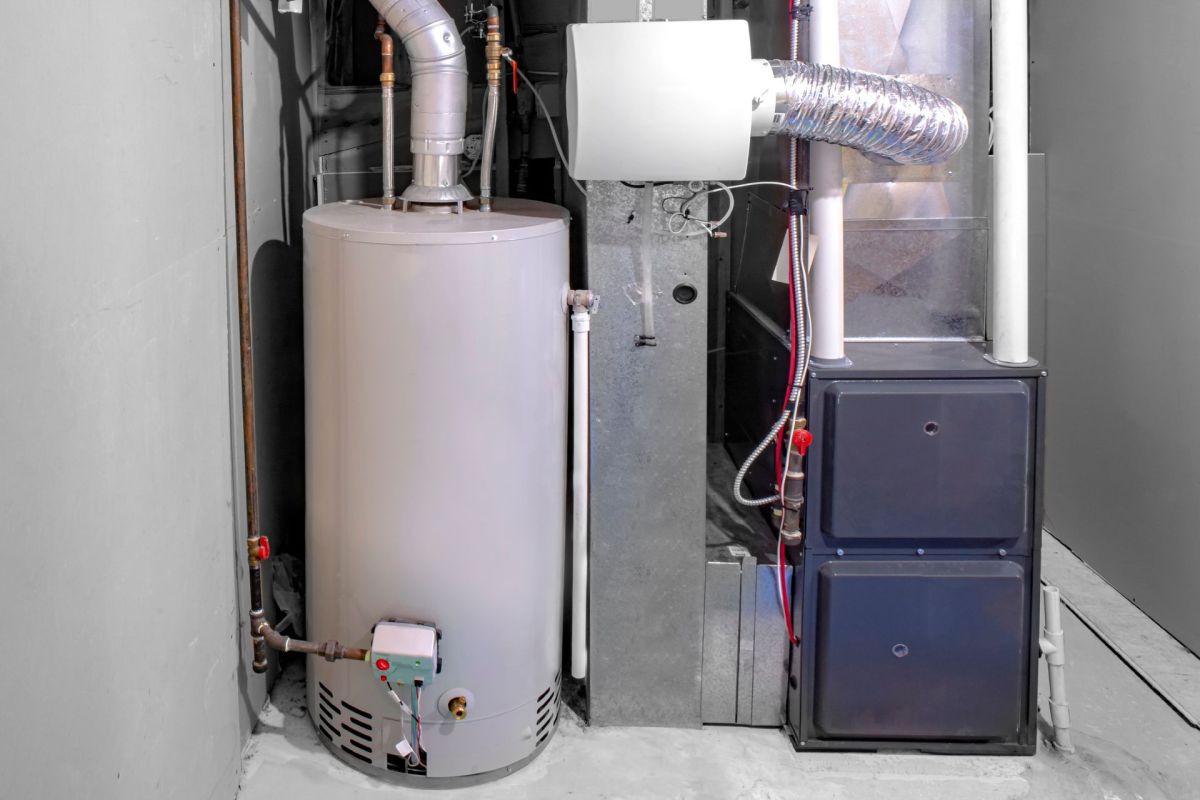
For a new homeowner in Maine worried about whether a water heater could freeze in an unheated basement, a Reddit discussion underscored a broader point: Upgrading to a heat pump water heater can lower energy bills while still keeping hot water available in cold weather.
The homeowner had been relying on a basement space heater in winter to keep the water heater from freezing, but most replies said the bigger concern was the heater itself, not the tank.
Here's what to know
On Reddit, the discussion centered on someone with an unheated basement who asked whether a tank insulation wrap could be a safer choice than leaving a space heater on overnight.
They also said they let the faucets drip during extreme cold and wanted to know whether insulating the tank and pipes could handle ordinary winter weather.
People replying from cold-weather states largely treated the water heater itself as the least vulnerable part of the setup.
One user said: "Water heaters are insulated tanks of water kept to temp so they are ready when you need it."
By the end of the exchange, the homeowner updated the post to acknowledge the advice: "I get it, I don't have to insulate my hot water tank. I am not a professional and do not know anyone who is, so I appreciate the feedback, and I'm sorry I didn't know that hot water tanks don't need to be insulated. Now I do."
More background
A recurring point in the replies was that the ground often buffers basement temperatures, even without dedicated heat. One commenter from northern Minnesota said: "Basements are below the frost line, and the earth acts as natural insulation."
Save $10,000 on solar panels without even sharing your phone number Want to go solar but not sure who to trust? EnergySage has your back with free and transparent quotes from fully vetted providers in your area. To get started, just answer a few questions about your home — no phone number required. Within a day or two, EnergySage will email you the best options for your needs, and their expert advisers can help you compare quotes and pick a winner. Solar panels can save you more than $50k over their 25-year lifespan, and EnergySage can help you save as much as $10k on installation. Which begs the question — isn't that worth an email or two? |

Anecdotes across the region were similar. One homeowner said their basement "never goes below 55 degrees," while a user from Maine said theirs "rarely gets below 55F even if it's well below zero out."
Instead of guessing, some people suggested measuring the space first. One Maine user said they keep an inexpensive Airthings sensor downstairs to track temperature, humidity, and radon, while another user recommended simply putting a thermometer in the basement to see whether it is actually getting dangerously cold.
Many replies focused less on the tank than on exposed plumbing near windows, cracks, and other drafty areas.
One user said that if a basement is really getting that cold, a homeowner likely has "some significant air sealing to do," which could also lower heating bills and help keep mice out.
What can be done?
The most common practical advice was to insulate exposed pipes, especially in draft-prone spots, and to treat heat tape as optional rather than essential.
One user said pipe insulation is worth it regardless because "it helps with energy costs," while another said heat tape could add peace of mind, though they didn't think it was necessary.
For homeowners considering a longer-term equipment upgrade, Cala makes smart heat pump water heaters designed around efficiency. Cala's customizable smart heat pump water heaters can help homeowners lower their energy bills by heating water only when needed. That kind of control may be especially appealing in cold-climate basements where people want lower bills and less reliance on stopgap fixes like space heaters, and it is central to Cala's approach.
Before buying more equipment, users urged the homeowner to check the basement temperature, seal obvious drafts, and avoid relying on an unattended space heater. In the thread, people living in Maine and Minnesota — including one in a leaky pre-1900 house — said they had not seen a water heater freeze in an unheated basement.
Where can I learn more?
If you're weighing similar cold-weather home fixes, these articles cover water-heater upgrades, insulation mistakes, and how heat pumps perform in cold-weather homes.
• Homeowners weighing equipment upgrades often find tankless heaters cut energy use while delivering reliable hot water.
• A homeowner learned extra insulation can backfire when it blocks airflow and hurts appliance performance.
• In Maine, heat pumps keep gaining ground despite deep cold and oil-industry pushback.
• Simple fixes like front-door weatherstripping save money by cutting drafts before winter bills spike.

Get TCD's free newsletters for easy tips, smart advice, and a chance to earn $5,000 toward home upgrades. To see more stories like this one, change your Google preferences here.






