


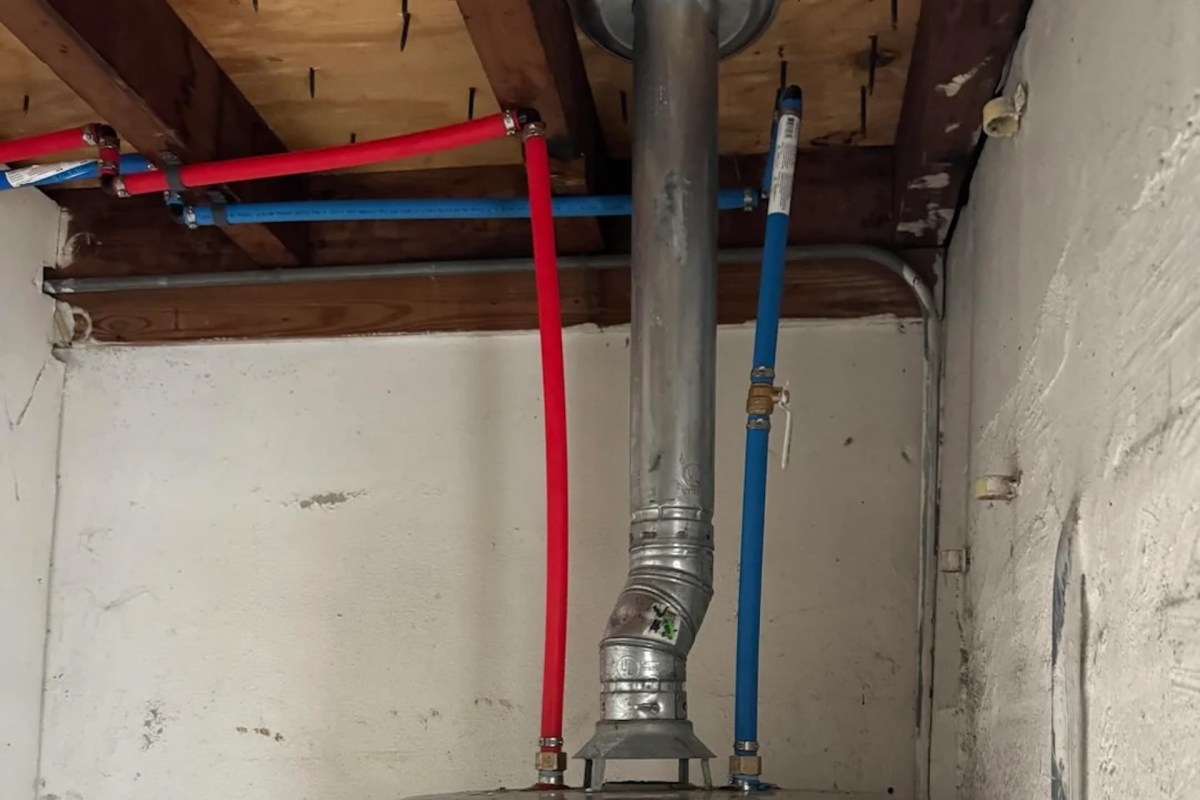
After getting a new water heater installed, a homeowner worried whether the work was done safely when they noticed PEX tubing connected directly to the tank, a detail that raised alarms among plumbing-minded Redditors.
Here's what to know
After the plumbing job, the homeowner went to Reddit with a concern: the installer had run PEX, flexible plastic pipes, straight to the water heater connection rather than using a metal transition first. "Is this okay?" they asked.
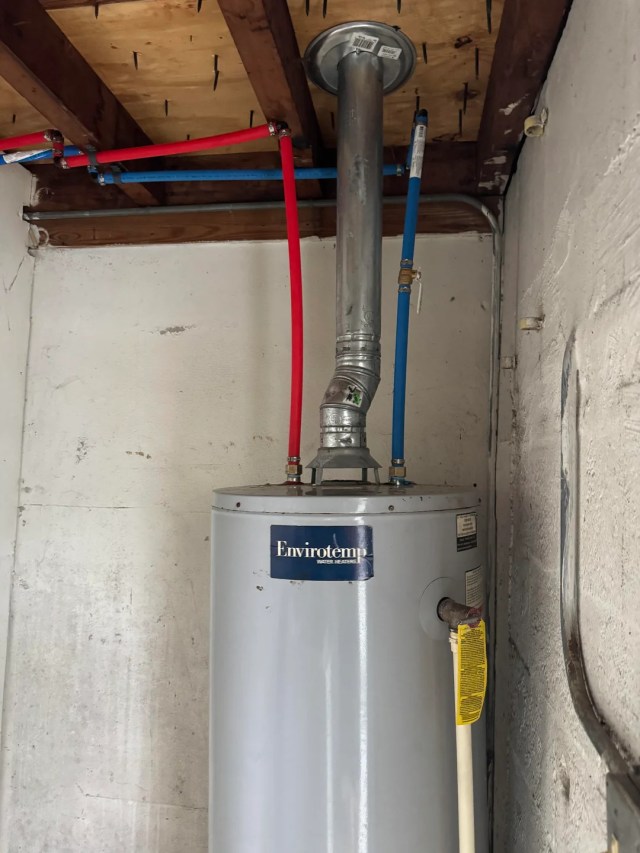
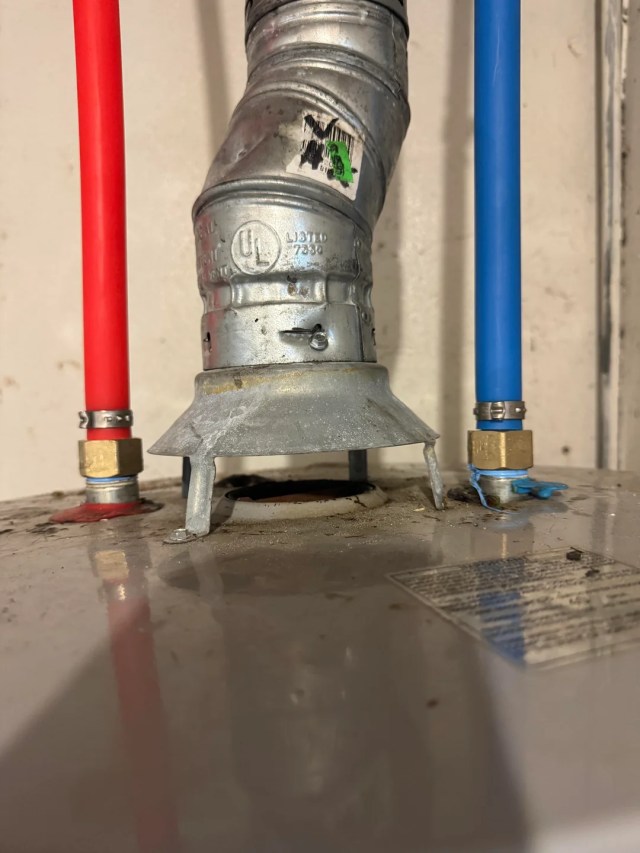
Much of the response pointed to local requirements and common installation standards. One commenter wrote, "In my area, code requires 18 inches of metal tubing from the water heater before PEX can be installed/connected. I got those shark bite hoses for mine."
As the discussion grew past 100 comments, many people questioned whether the new work would have to be redone. The homeowner said the contractor responded to the concern by emphasizing that he was licensed and insured — but for many commenters, that read more like a red flag than a reassurance.
An improper transition at the tank can lead to a failed inspection, premature material wear, or expensive corrective work.
More background
PEX has become a popular plumbing material because it is often cheaper and easier to install than copper, reducing both labor and material costs for homeowners.
TCD Picks » Quince Spotlight
💡These best-sellers from Quince deliver affordable, sustainable luxury for all




However, those savings depend on the installation being done correctly. Near a water heater, higher temperatures and nearby venting components can create conditions that require metal piping, special connectors, or clearance protection before PEX is used, per local codes or manufacturer guidance.
A shortcut on a brand-new installation can wipe out the savings that made PEX appealing in the first place. Instead of benefiting from a lower-cost plumbing upgrade, the homeowner could end up paying for an inspection, a second plumber, or repairs.
Catching a questionable connection early could mean avoiding rework — and potentially much more if a leak or failure damages drywall, flooring, or nearby belongings.
What can be done?
If a water heater installation looks off, homeowners can ask the contractor to identify the applicable local code or manufacturer instructions in writing.
It is also wise to request permits and inspections when required and to photograph the installation while everything is still accessible. If another professional needs to evaluate the job later, that documentation can make the process much easier.
A second opinion from another licensed plumber or a local building inspector can also be worth the cost. Spending a little upfront to confirm the connection is compliant can save far more than waiting for a failed inspection or a bigger problem down the line.
Where can I learn more?
A questionable water heater hookup can also raise bigger questions about upkeep, repair costs, and whether it makes sense to upgrade the system altogether. The articles here cover that range, from routine maintenance that helps prevent breakdowns to replacement options that could lower energy bills over time.
• At home, simple maintenance steps can keep a water heater from failing early.
• For households weighing replacements, switching to a tankless system can trim energy use and bills.
• From Midea, an efficient replacement aims to cut water-heating costs without a full overhaul.

Get TCD's free newsletters for easy tips, smart advice, and a chance to earn $5,000 toward home upgrades. To see more stories like this one, change your Google preferences here.






