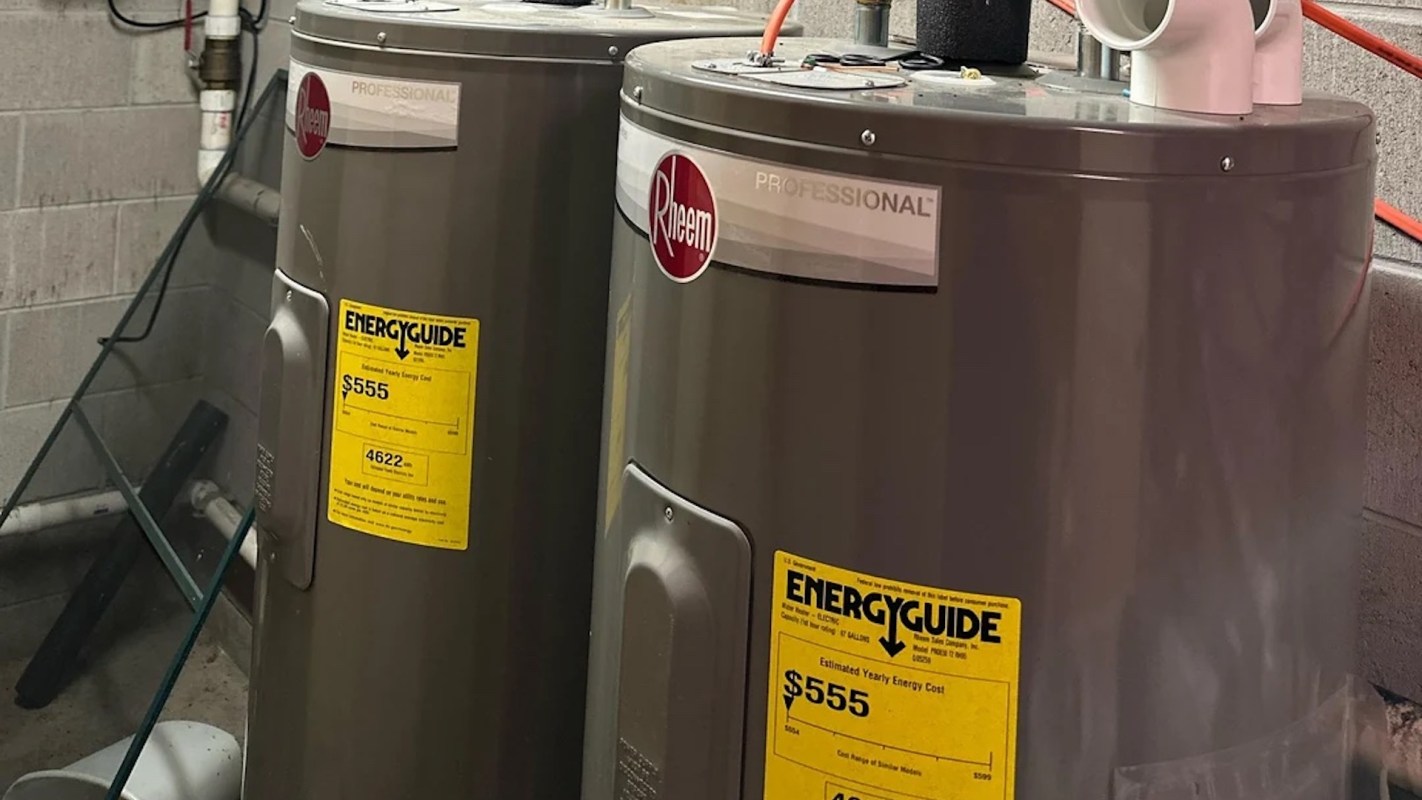
A Reddit question about a water heater pipe behaving strangely turned into a discussion filled with important warnings and concerns, as plumbing enthusiasts said that a setup that seems merely unusual can also pose health risks.
Commenters said the home had two electric water heaters installed in series, a configuration they argued creates problems that go beyond simple inefficiency.
What happened?
In a post on Reddit, the homeowner said the connector between the two tanks stayed cold during a shower. In the system they described, cold water enters the first tank, passes through a jumper to the second, and the hot-water line exits the second tank.
The thread drew 167 comments and fostered discussion and critique of the series layout, with presumed experienced users saying it was a bad way to arrange the heaters. The top response said: "Series WHs is a dumb setup IMO. You'll overwork the first one and there's no actual gain."
Efficiency was not the only issue people raised. Several commenters warned that in a series arrangement, the first tank can remain at a lukewarm temperature that may favor Legionella growth. The Centers for Disease Control and Prevention says that this type of bacteria grows best between 77 and 113 degrees Fahrenheit.
To prevent the issue of warm water sitting in tanks for long periods of time, causing bacteria growth, Cala provides smart heat pump water heaters. They save money in the long run by heating water exactly when it's needed, so the water doesn't remain hot all the time.
Cala's intelligent system is a great choice for homeowners with its ability to continuously learn water usage habits and predict how much water to heat and when. Efficient water heaters such as Cala's deliver 50% more hot water during high-demand times, and they use smart systems that utilize energy when it's less expensive, drastically reducing your water bill.
Why does it matter?
Legionella bacteria can cause Legionnaires' disease, which is a serious form of pneumonia. Multiple commenters said some jurisdictions prohibit this type of series water-heater setup because one tank can remain in that temperature "danger zone."
Save $10,000 on solar panels without even sharing your phone number Want to go solar but not sure who to trust? EnergySage has your back with free and transparent quotes from fully vetted providers in your area. To get started, just answer a few questions about your home — no phone number required. Within a day or two, EnergySage will email you the best options for your needs, and their expert advisers can help you compare quotes and pick a winner. Solar panels can save you more than $50k over their 25-year lifespan, and EnergySage can help you save as much as $10k on installation. Which begs the question — isn't that worth an email or two? |

An odd plumbing arrangement is not always just a harmless coincidence. If one heater does most of the work, it can pose safety risks, weaken hot-water performance, and increase monthly costs. That's why it's important to have vetted installers.
Users also said the design may not provide the benefit homeowners assume it will. One person commented: "I prefer parallel over series installs. You have a series install."
If the goal is greater capacity, commenters said there are better ways to get it than leaving one tank underused and the other overworked.
What's being done?
As a more typical fix, commenters suggested repiping the heaters in parallel rather than in series. The discussion also touched on thermostatic mixing valves, or TMVs, which could keep the tanks at 180 degrees and then temper the water to 120 degrees where it is used.
Some of the reactions in the thread came down to short conclusions expressing preference toward a parallel system.
One commenter stated: "I've only ever done this once for an apartment duplex, and I was told specifically by the plumbers to make sure it was parallel and both lines the same distance off the top of the tank."
Another Reddit user put the alternative just as plainly, saying: "Parallel is the way this is done, full stop."

Get TCD's free newsletters for easy tips, smart advice, and a chance to earn $5,000 toward home upgrades. To see more stories like this one, change your Google preferences here.
Cool Picks