


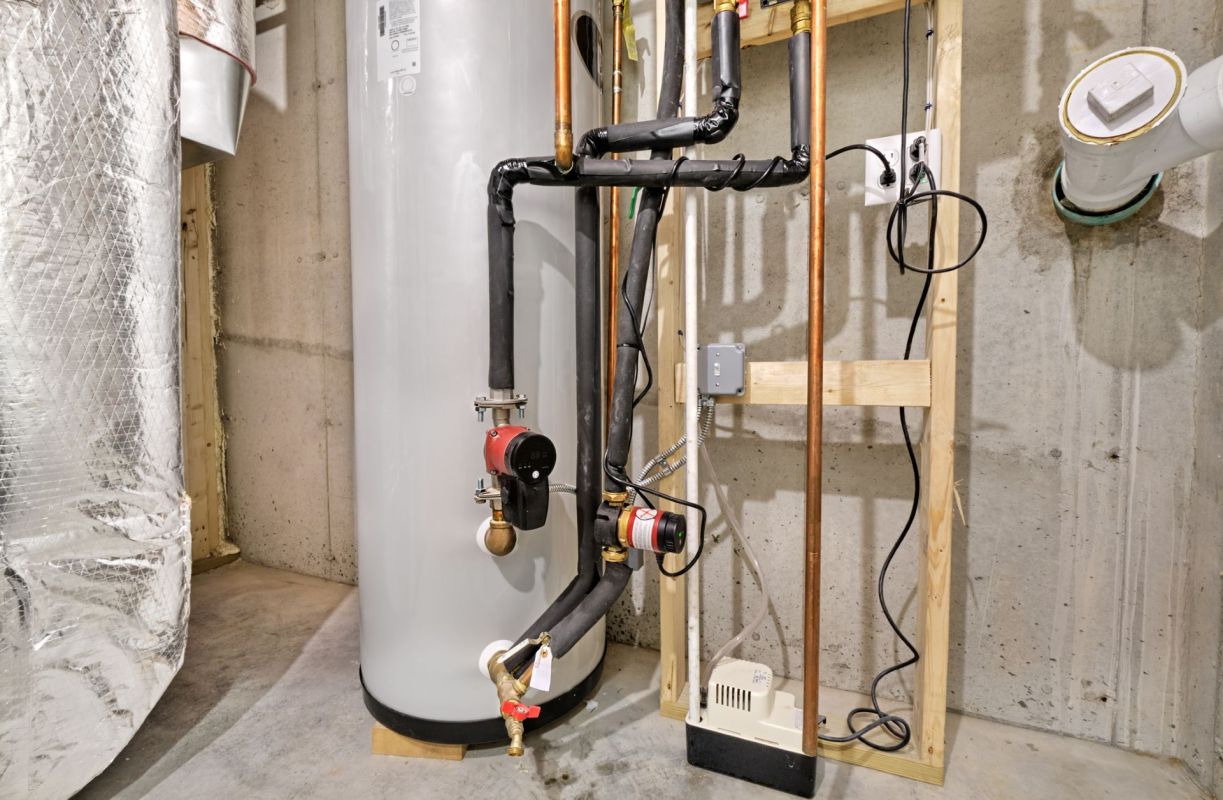
Water heaters are a common household appliance, but many homeowners don't realize they can pose serious safety risks if they malfunction or aren't properly maintained. In Monson, Massachusetts, one family was reminded of that danger after their water heater caught fire, prompting an emergency response from local firefighters.
What happened?
According to WWLP, fire crews in the area responded to a home where fire alarms were set off in a basement. After arriving, firefighters determined the source was a fire inside the home's water heater.
The outlet reported that by the time firefighters got there, the blaze had mostly burned itself out and, luckily, had stayed confined to the water heater. Crews then shut off power to the unit and extinguished the remaining fire.
WWLP reported that crews were able to handle the fire in under an hour.
Why does it matter?
A water heater is easy to overlook until something goes wrong. Tucked away in basements, utility closets, or garages, these systems often operate for years with little attention.
Even when a fire is contained, smoke in a home can bring cleanup costs, stress, and health concerns for the people living there. It can also put residents, neighbors, and first responders at risk if flames spread beyond the appliance.
TCD Picks » Quince Spotlight
💡These best-sellers from Quince deliver affordable, sustainable luxury for all




In this case, alarms going off in the home helped bring responders in before the situation had a chance to worsen.
What can I do?
Homeowners and renters can take steps to reduce the risk of appliance-related fires. Making sure smoke alarms are installed, working, and tested regularly is one of the most important measures, especially near utility areas and sleeping spaces.
It also helps to watch for warning signs around a water heater, such as unusual smells, scorching, rust, leaks, or breakers that trip repeatedly. If something seems off, shutting down the unit and calling a licensed professional is safer than hoping the issue clears up on its own.
For older systems, routine inspections or replacement may be worth considering before a failure turns dangerous. If a water heater is nearing the end of its life, upgrading can also be an opportunity to choose a newer, more efficient model that helps cut household energy waste while improving reliability.
Small preventive steps will not eliminate every risk, but they can make a meaningful difference in protecting a home.

Get TCD's free newsletters for easy tips, smart advice, and a chance to earn $5,000 toward home upgrades. To see more stories like this one, change your Google preferences here.







